
Short Answer
Overview
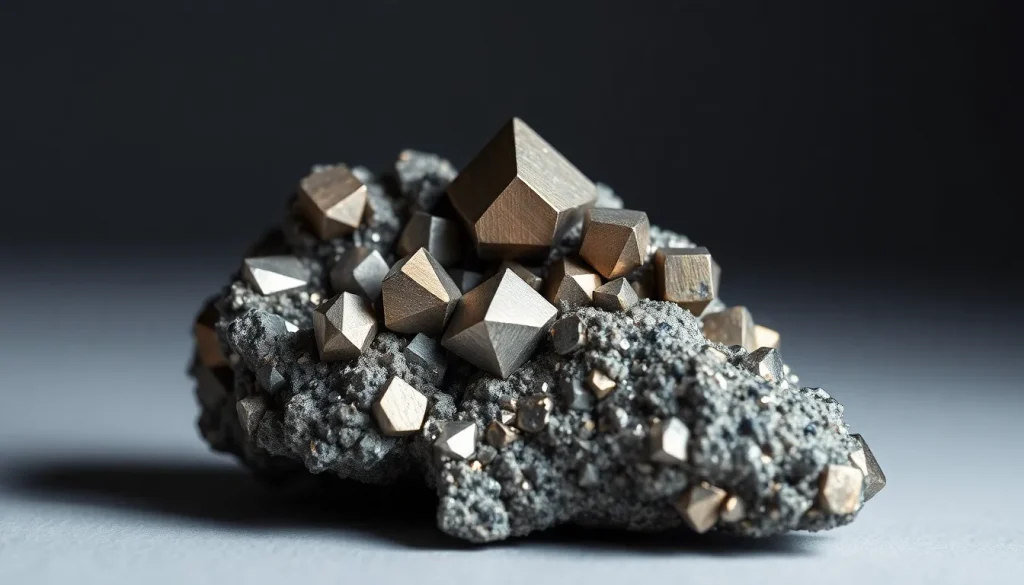
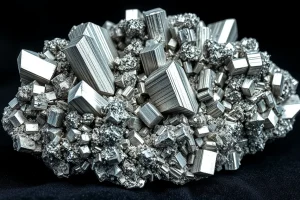
Pentlandite is an opaque, metallic‑lustered sulfide mineral with a characteristic bronze to silver‑grey coloration. Its chemical composition is primarily a nickel‑iron sulfide, making it the world’s most important nickel ore. While its industrial importance dominates, pentlandite’s reflective surface and distinctive hue have attracted occasional use in ornamental cabochons, beads, and specialty jewelry.
History and Origin
The mineral was first described in 1850 from the Pentland Hills of Scotland, after which it is named. Pentlandite forms in magmatic sulfide deposits where molten nickel‑rich magma cools and crystallizes. Today, the largest commercial sources are the Sudbury Basin in Canada, the Norilsk region of Russia, and deposits in Australia, New Caledonia, and the Philippines.
Meaning and Symbolism
Because pentlandite is not a traditional gemstone, it lacks historic cultural symbolism. In contemporary metaphysical circles, its metallic sheen and grounding weight are associated with strength, resilience, and the ability to “anchor” intentions. Some collectors view the stone as a reminder of Earth’s mineral wealth and industrial progress.
Healing and Metaphysical Properties
Traditional crystal‑healing beliefs attribute the following properties to pentlandite. These are not medical facts and should not replace professional health advice:
- Grounding: Its heavy, dense nature is thought to help users feel more rooted and stable.
- Protection: The metallic luster is said to create a shield against negative energies.
- Emotional balance: Some claim it can calm anxiety and promote confidence in decision‑making.
Practitioners often place pentlandite in the root chakra area during meditation or wear it as a pendant.
Varieties and Types
Pentlandite occurs in several compositional variants, usually expressed as a solid‑solution series with related sulfide minerals:
- Nickel‑rich pentlandite: Higher Ni/(Ni+Fe) ratio, brighter bronze color.
- Iron‑rich pentlandite: More Fe, often darker and more silver‑grey.
- Cobalt‑bearing pentlandite: Small amounts of cobalt substitute for nickel, occasionally giving a slightly pinkish tint.
- Pentlandite‑pyrrhotite series: Intergrowths with pyrrhotite (Fe1‑xS) create mixed textures and variable magnetic properties.
These variations are primarily of interest to mineralogists and industrial metallurgists rather than to jewelers.
Jewelry Uses and Care
When cut as a cabochon or polished bead, pentlandite offers a unique metallic sparkle. Its relatively low hardness (3.5–4.5 on the Mohs scale) means it is prone to scratching, so it is best used in pieces that are not subject to heavy wear, such as pendants, earrings, or decorative inlays.
- Cleaning: Gently wipe with a soft, lint‑free cloth dampened with warm water and mild soap. Avoid ultrasonic cleaners and abrasive cleaners.
- Storage: Keep separate from softer gemstones and from acids or chlorine, which can tarnish the surface.
- Handling: Because the mineral is brittle along its conchoidal fracture, handle with care to prevent chipping.
Buying Guide
When purchasing pentlandite for ornamental or jewelry purposes, consider the following:
- Authenticity: Genuine pentlandite feels heavy for its size and exhibits a metallic luster. A black or dark brown streak on unglazed porcelain is a reliable test.
- Color consistency: Look for uniform bronze‑to‑grey tones; significant color zoning may indicate lower quality or mixed mineral assemblage.
- Cut and polish: High‑quality pieces are well‑polished with a smooth, mirror‑like surface that enhances reflectivity.
- Source: Reputable dealers will disclose the mining locality and any treatments (e.g., coating to enhance shine).
- Price: Pentlandite is generally modestly priced compared with traditional gemstones, but rarity of large, flawless cabochons can increase cost.
For valuable or antique pieces, always request a gemological report from a certified laboratory.
FAQ
What is pentlandite good for?
Pentlandite is the primary industrial source of nickel and is used in stainless steel and alloys. In jewelry, its metallic sheen makes it a decorative cabochon or bead for unique pieces, while crystal‑healing enthusiasts value it for grounding and protection.
Is pentlandite rare?
Pentlandite is abundant as an ore mineral, but high‑quality, large, clear specimens suitable for jewelry are uncommon. Rarity relates to the size, color uniformity, and degree of polish rather than overall mineral abundance.
How can you tell if pentlandite is real?
Real pentlandite feels heavy, shows a metallic luster, and leaves a black to dark brown streak on unglazed porcelain. It is opaque and often has a conchoidal fracture. Professional gemological testing, such as X‑ray fluorescence, confirms its composition.
What chakra is pentlandite associated with?
Traditional crystal‑healing sources commonly associate pentlandite with the root chakra, reflecting its grounding and stabilizing symbolism. This is a belief, not a scientifically proven effect.
How should you clean pentlandite?
Clean pentlandite gently with a soft cloth dampened with warm soapy water. Rinse with clean water and pat dry. Avoid abrasive cleaners, ultrasonic baths, and exposure to acids or chlorine, which can tarnish its metallic surface.
Leave a Reply