
Short Answer
Overview
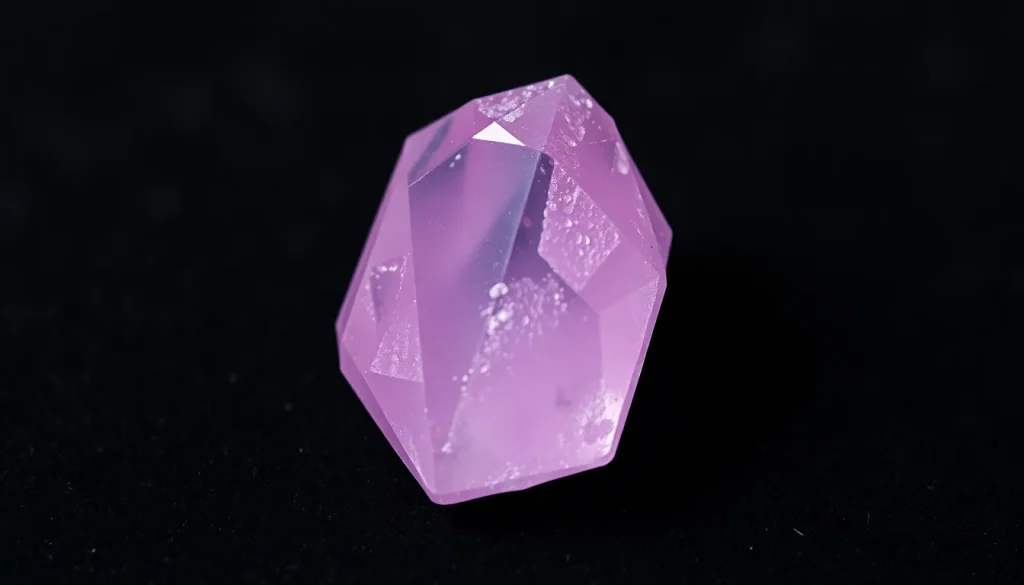
Wernerite is a rare gemstone variety known for its delicate pink to violet hues, often displaying a translucent to semi‑transparent appearance. It is typically found as well‑formed crystals or massive aggregates and is prized for its subtle color and gentle luster. While the exact mineral species varies by locality, Wernerite is most commonly regarded as a colored variety of calcite or a related carbonate mineral, occasionally occurring in hydrothermal veins alongside quartz and other silicates.
History and Origin
The name “Wernerite” honors the German mineralogist Gustav Werner, who first described the pink‑tinged specimens in the late 19th century. Classic localities include the Wernerite Mine in Saxony, Germany, and a few secondary occurrences in the United States (California) and Brazil. Historically, the stone was used in ornamental carvings and as a collector’s piece rather than mainstream jewelry, owing to its relative softness and rarity. Modern interest has grown through gemstone collectors and crystal‑healing communities that value its gentle energy.
Meaning and Symbolism
Traditional lore associates Wernerite’s soft pink and violet tones with love, compassion, and emotional balance. It is said to encourage gentle communication, nurture inner peace, and support the heart’s openness. In contemporary metaphysical practice, Wernerite is sometimes used as a “bridge” stone, helping to transition between the emotional (heart) and intuitive (third‑eye) realms.
Healing and Metaphysical Properties
Crystal‑healing practitioners claim that Wernerite can soothe emotional turbulence, promote self‑acceptance, and assist in the release of past hurts. It is believed to resonate with the heart chakra, fostering unconditional love, and with the third‑eye chakra, enhancing intuition. These claims are based on traditional beliefs and are not medical advice; individuals should consult qualified health professionals for any medical concerns.
Varieties and Types
Because Wernerite is defined by color rather than a distinct chemical composition, several mineral hosts can produce Wernerite‑type stones:
- Calcite Wernerite – Pink to violet calcite with characteristic double refraction.
- Gypsum Wernerite – Soft, translucent crystals that may exhibit a milky pink.
- Silicate Wernerite – Rare occurrences where a silicate matrix imparts the signature hue.
Each type may display subtle variations in hardness, luster, and fracture, so identification relies on a combination of visual inspection and gemological testing.
Jewelry Uses and Care
Wernerite’s modest Mohs hardness (typically 2–4) limits its use to pendants, earrings, and brooch settings where it is protected from abrasion. Designers often mount the stone in protective bezels or set it behind glass cabochons to preserve its surface. Care recommendations include:
- Clean with a soft, lint‑free cloth; avoid ultrasonic cleaners.
- Use mild soap and lukewarm water for deeper cleaning, then dry immediately.
- Avoid exposure to harsh chemicals, extreme heat, or prolonged sunlight, which can fade the delicate color.
n
Because Wernerite can be sensitive to acids, it should not be worn during activities involving sweat, cosmetics, or cleaning agents without proper protection.
Buying Guide
When purchasing Wernerite, consider the following factors:
- Color Quality – Uniform, saturated pink to violet hues without brown or gray overtones are most desirable.
- Clarity – Look for stones free of visible inclusions that obscure the surface; minor cloudiness is common in natural specimens.
- Cut and Setting – Well‑cut cabochons or protective settings enhance durability.
- Origin Documentation – Reputable dealers should provide provenance or a gem‑lab report confirming the mineral host and any treatments.
- Treatment Disclosure – Some Wernerite stones are dyed or enhanced; ensure full disclosure if color enhancement is present.
Because Wernerite is rare, prices can vary widely. Expect higher costs for untreated, gem‑grade material from classic localities.
FAQ
What is Wernerite good for?
Wernerite is valued for its delicate pink‑violet color in jewelry and as a collector’s stone; traditionally it is believed to promote emotional balance and compassion.
Is Wernerite rare?
Yes, high‑quality, untreated Wernerite is relatively rare because it occurs only in a few localities and is often found in small crystal sizes.
How can you tell if Wernerite is real?
Examine hardness (soft), check for typical calcite double refraction, and look for a white streak. Professional gem‑lab testing (e.g., Mohs, spectroscopy) confirms authenticity.
What chakra is Wernerite associated with?
In crystal‑healing traditions, Wernerite is linked to the Heart (Anahata) chakra, supporting love and emotional healing.
How should you clean Wernerite?
Gently wipe with a soft, lint‑free cloth; for deeper cleaning use mild soap and lukewarm water, avoiding ultrasonic cleaners, harsh chemicals, and prolonged sunlight.
Leave a Reply