
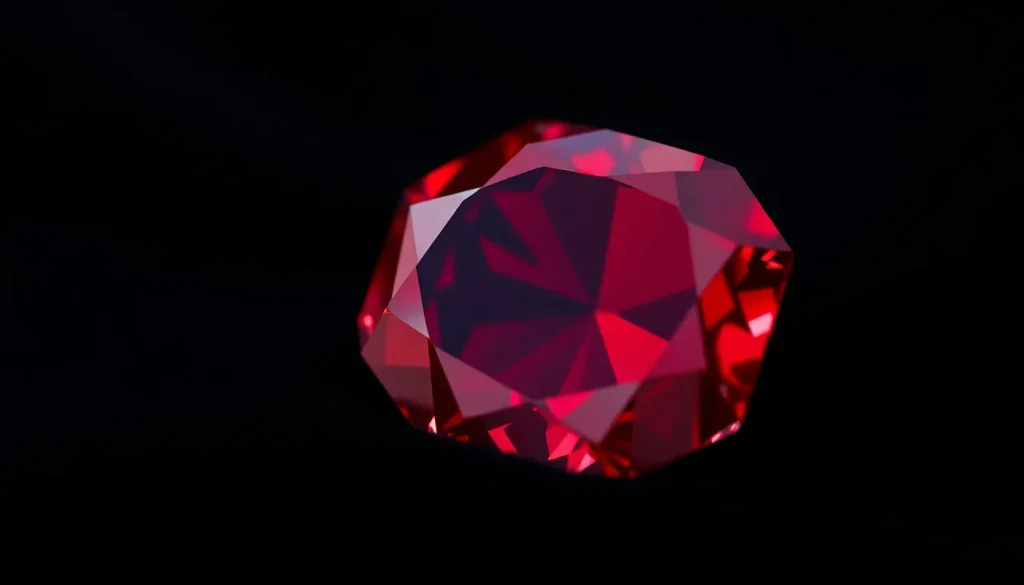
Short Answer
Overview
Spinel is a magnesium‑aluminium oxide (MgAl2O4) that forms crystals in the cubic system. It is prized for its high brilliance, hardness comparable to many traditional gemstones, and a remarkably wide color palette that includes red, pink, blue, violet, black, white, and many intermediate hues. Because it lacks cleavage and displays a vitreous luster, spinel is both a collector’s mineral and a popular choice in fine jewelry.
History and Origin
Spinel has been known to gem cutters for centuries, but its true identity was often confused with other red gemstones such as ruby and garnet. Historical records from the Roman Empire describe a “balas ruby” that later analysis identified as spinel. In the 19th century, the discovery of distinct spinel deposits in Myanmar (formerly Burma) and Sri Lanka clarified its mineral classification. Today, high‑quality spinel is mined in several countries, including Myanmar, Sri Lanka, Tanzania, Afghanistan, Vietnam, Madagascar, Brazil, and the United States (Arizona).
Meaning and Symbolism
Across cultures, spinel has been associated with vitality, renewal, and protection. Red spinel is traditionally linked to passion and courage, while blue spinel is thought to promote calm communication and intuition. In modern metaphysical circles, spinel is said to aid in overcoming emotional stagnation and to support personal empowerment. These meanings are rooted in folklore and crystal‑healing beliefs rather than scientific evidence.
Healing and Metaphysical Properties
Crystal‑healing practitioners attribute the following properties to spinel, describing them as traditional or symbolic beliefs:
- Emotional balance: Red and pink spinel are believed to stimulate confidence and self‑esteem.
- Communication: Blue and violet spinel are said to enhance clear expression and aid meditation.
- Physical vitality: Some claim spinel supports the circulatory system and boosts energy, though these claims are not medically verified.
These properties are intended for personal reflection and should not replace professional medical advice.
Varieties and Types
Spinel occurs in a diversity of colors, each often given its own trade name:
- Red spinel: Sometimes called “Balas ruby,” prized for its deep, saturated hue.
- Pink spinel: Light to medium pink, often used as a ruby alternative.
- Blue spinel: Ranges from sky‑blue to deep cobalt, occasionally mistaken for sapphire.
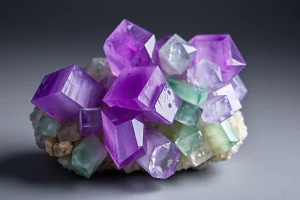
- Purple/Violet spinel: Rich violet tones that rival amethyst.
- Black spinel: Opaque black, valued for its sleek, modern look.
- White/Colourless spinel: Transparent and highly refractive, sometimes cut as a diamond substitute.
- Orange and Brown spinel: Less common, offering warm earthy shades.
Spinel may be found in both natural and treated forms. Heat treatment can enhance or modify color, especially in red and pink stones, but untreated, high‑quality spinel is readily available.
Jewelry Uses and Care
Because of its hardness (7.5–8 on the Mohs scale) and resistance to scratching, spinel is suitable for rings, earrings, pendants, and watches. Its excellent brilliance makes it a popular choice for faceted cuts such as round, oval, cushion, and princess.
Cleaning: Warm, soapy water and a soft brush are safe for most spinel pieces. Ultrasonic cleaners may be used if the stone is confirmed untreated, but caution is advised for any heat‑treated specimens.
Storage: Store spinel separately from softer gems to avoid scratching. A padded jewelry box or a soft cloth pouch works well.
Maintenance: Avoid prolonged exposure to harsh chemicals, extreme heat, or sudden temperature changes, which could affect surface polish or any applied treatments.
Buying Guide
When purchasing spinel, consider the following factors:
- Color intensity: Deep, saturated colors without visible inclusions command higher prices.
- Clarity: Small, well‑located inclusions are common; however, stones with eye‑clean clarity are most valuable.
- Cut and proportion: Well‑cut stones display superior sparkle and are preferred for fine jewelry.
- Treatment disclosure: Reputable dealers should disclose any heat or irradiation treatments.
- Certification: Gemological certificates (e.g., GIA, IGI) provide assurance of authenticity and treatment status.
Because spinel is often confused with ruby or garnet, request a professional identification report, especially for high‑value pieces.
FAQ
What is spinel good for?
Spinel is valued for its durability, brilliance, and wide color range, making it ideal for rings, earrings, and high‑impact jewelry. Traditionally, it is also associated with emotional resilience and confidence in crystal‑healing circles.
Is spinel rare?
High‑quality, vividly colored spinel (especially red and blue) is relatively rare, while less saturated or treated stones are more common. Rarity depends on color, clarity, size, and whether the stone is untreated.
How can you tell if spinel is real?
Real spinel is hard (7.5–8), has a vitreous luster, and shows a refractive index of 1.718–1.734. Simple tests include checking for a white streak, lack of cleavage, and using a dichroscope to see its characteristic optical properties. For certainty, obtain a gemological certificate from a reputable laboratory.
What chakra is spinel associated with?
There is no single standard chakra for spinel; however, practitioners often link red spinel to the Root or Sacral chakras and blue spinel to the Throat or Third Eye chakras.
How should you clean spinel?
Clean spinel with warm soapy water and a soft brush. Rinse thoroughly and pat dry with a lint‑free cloth. Ultrasonic cleaners may be used on untreated stones, but avoid harsh chemicals or high‑heat treatments that could affect any surface treatments.
Leave a Reply