
Short Answer
Overview
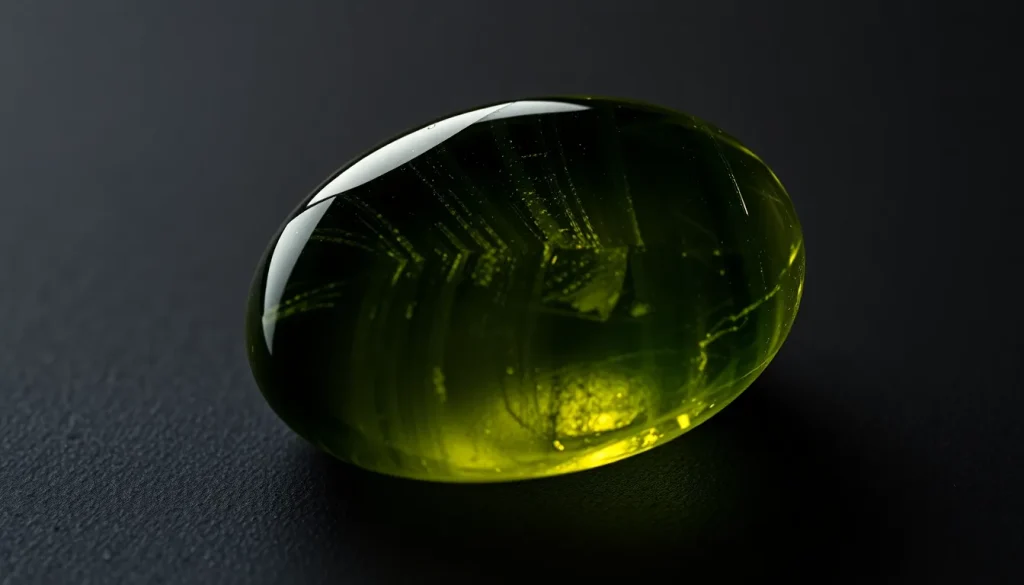
Moldavite is a natural glass, technically a tektite, created by the high‑energy impact of a meteorite in the early Miocene epoch (approximately 15 million years ago). The impact melted terrestrial silica, which cooled rapidly and formed the distinctive, often olive‑green to brownish‑green glass found today. Moldavite is unique among gemstones because it is not a mineral in the traditional crystallographic sense, yet it is widely collected and set in jewelry for its striking color and celestial origin.
History and Origin
The name “Moldavite” derives from the Moldau (Vltava) River region of Bohemia, now part of the Czech Republic, where the first specimens were discovered in the 18th century. Historical records show that local artisans used the material for ornamental objects long before scientific understanding of its meteoritic origin emerged. In the 1970s, geologists confirmed that Moldavite is an impact glass related to the larger Nördlinger Ries crater in Germany, linking it to a single, massive meteorite event. Today, the primary source of Moldavite remains the Bohemian fields near the town of Veverka and surrounding areas.
Meaning and Symbolism
In traditional folklore, Moldavite is regarded as a “stone of transformation.” Its extraterrestrial birth is thought to symbolize sudden change, spiritual awakening, and a bridge between the earthly and the cosmic. Many cultures view it as a protective talisman that can help navigate life transitions, enhance intuition, and foster a deeper connection to one’s life purpose.
Healing and Metaphysical Properties
Crystal‑healing practitioners attribute several metaphysical qualities to Moldavite. Common beliefs include:
- Facilitating rapid personal growth and spiritual evolution.
- Amplifying meditation, dreams, and inner vision.
- Supporting the heart and third‑eye chakras, encouraging emotional openness and psychic insight.
- Providing protection against negative energies and electromagnetic pollution.
These claims are rooted in tradition and should not be interpreted as medical advice. Individuals seeking health treatment should consult qualified healthcare professionals.
Varieties and Types
All Moldavite belongs to a single type of impact glass, but variations exist based on color, texture, and inclusions:
-
- Classic Moldavite – Olive‑green to deep forest green, most common and highly valued.
n
- Yellow Moldavite – Rare, with a lighter, yellowish‑green hue caused by slight variations in iron content.
- Brown Moldavite – Displays a warm, chocolate‑brown tint, often considered less valuable but still sought after for its unique tone.
Some specimens exhibit surface ripples or “flow lines” that are remnants of the rapid cooling process. These natural textures are prized by collectors.
Jewelry Uses and Care
Moldavite’s moderate hardness (5.5–7 on the Mohs scale) makes it suitable for rings, pendants, earrings, and brooches, though it is more prone to scratching than harder gemstones. Because it is a glass, it can be prone to chipping if struck. Recommended care includes:
- Cleaning with a soft, damp cloth; avoid ultrasonic cleaners or harsh chemicals.
- Storing separately from harder gemstones to prevent abrasion.
- Protecting from sudden temperature changes, which can cause micro‑fractures.
When set in protective mountings—such as bezel or tension settings—Moldavite’s delicate nature is better safeguarded while still showcasing its vivid color.
Buying Guide
When purchasing Moldavite, consider the following factors:
- Color Saturation: Deep, uniform olive‑green is most valued; uneven or overly brown tones may indicate lower quality.
- Clarity: While minor inclusions are normal, large bubbles or cracks reduce durability and price.
- Origin Documentation: Reputable dealers provide provenance confirming Czech origin, as Moldavite from other locales is extremely rare.
- Treatment Disclosure: Genuine Moldavite is untreated natural glass; any polishing or surface enhancement should be disclosed.
- Certification: For high‑value pieces, a gemological laboratory report (e.g., GIA or IGI) adds confidence.
Because Moldavite is relatively scarce, especially in larger carat weights, price can vary widely. Compare multiple sources, request high‑resolution photographs, and, when possible, examine the stone in person before finalizing a purchase.
FAQ
What is Moldavite good for?
Moldavite is prized for its striking green color in jewelry and is traditionally believed to aid spiritual transformation, enhance intuition, and protect against negative energies.
Is Moldavite rare?
High‑quality Moldavite is relatively rare because it occurs only in a limited area of the Czech Republic, and larger, vivid specimens are especially scarce, making them more valuable.
How can you tell if Moldavite is real?
Real Moldavite displays an olive‑green hue with natural flow lines, conchoidal fracture, and a vitreous luster. It should feel cool to the touch and have a white streak. Professional gemological testing, such as refractive index measurement, confirms authenticity.
What chakra is Moldavite associated with?
Traditional crystal‑healing beliefs associate Moldavite with the Heart chakra and, for some practitioners, the Third Eye chakra, supporting emotional openness and intuitive insight.
How should you clean Moldavite?
Clean Moldavite with a soft, damp cloth and mild soap if needed. Avoid ultrasonic cleaners, harsh chemicals, or sudden temperature changes, and store it separately from harder gemstones to prevent scratches.
Leave a Reply