
Short Answer
Overview
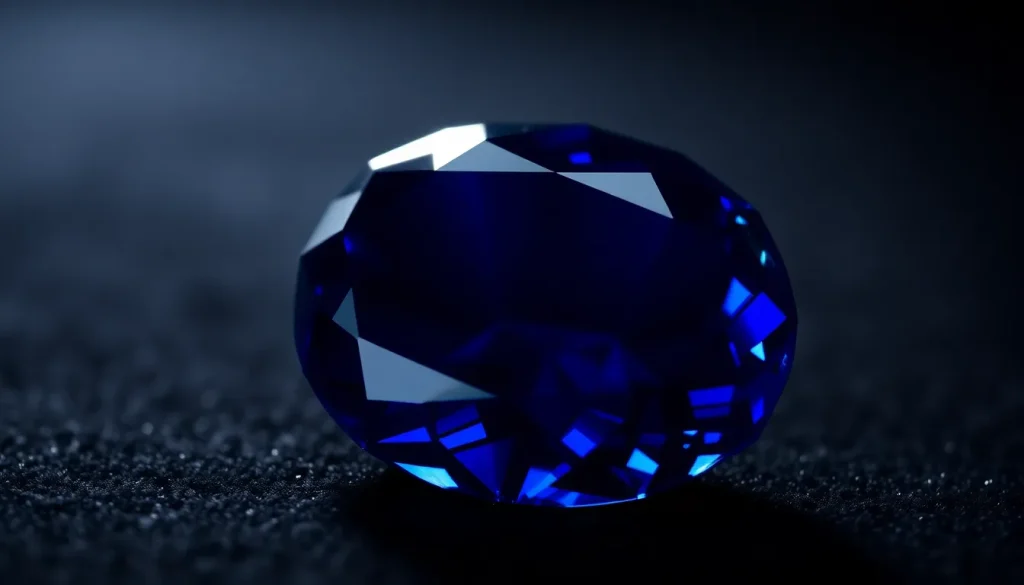
Maxixe, also called blue beryl, is a rare and intensely colored variety of the mineral beryl (chemical formula Be3Al2Si6O18). Its name, meaning “worm” in Portuguese, refers to the deep, almost black‑blue hue that can appear almost midnight‑blue in certain lights. Maxixe ranks among the most valuable beryl species, rivaling emerald and aquamarine in rarity.
History and Origin
The first documented specimens of maxixe were found in the early 19th century in the Minas Gerais region of Brazil, where miners noticed a striking blue stone distinct from the more common green emeralds. Subsequent occurrences have been reported from Zambia, Madagascar, and Afghanistan, but Brazil remains the principal source of gem‑quality material. Historically, maxixe was prized by European collectors for its unusual color, though it never achieved the same fame as emerald or sapphire.
Meaning and Symbolism
In traditional gemstone lore, maxixe is associated with clarity of communication, inner truth, and the expression of one’s authentic voice. Its deep blue is thought to symbolize the night sky, encouraging contemplation and the pursuit of higher wisdom. Because it belongs to the beryl family, maxixe inherits many of the same symbolic attributes as other beryls, such as loyalty, honesty, and spiritual insight.
Healing and Metaphysical Properties
Crystal‑healing practitioners attribute the following properties to maxixe, based on longstanding belief systems rather than scientific evidence:
- Emotional balance: Supposed to calm anxiety and promote emotional stability.
- Communication: Believed to aid clear self‑expression and enhance verbal articulation.
- Spiritual insight: Said to open the mind to intuitive understanding and support meditation.
- Physical support: Traditionally thought to assist the throat, thyroid, and respiratory systems, though it is not a medical treatment.
These claims are part of traditional metaphysical practice and should not replace professional medical advice.
Varieties and Types
Maxixe is essentially a single variety of beryl distinguished by its color. However, subtle differences can be observed:
- Classic maxixe: Deep, saturated blue approaching indigo; the most prized color.
- Blue‑green maxixe: Slightly lighter, with a hint of green; often found in lower‑grade material.
- Heat‑treated maxixe: Rarely, lower‑color specimens are heat‑treated to enhance blue intensity, but untreated stones are preferred by collectors.
Jewelry Uses and Care
Because of its hardness (7.5–8 on the Mohs scale) and vitreous luster, maxixe is suitable for many types of fine jewelry, including rings, pendants, earrings, and high‑end watches. Care recommendations:
- Clean with warm, soapy water and a soft brush. Avoid ultrasonic cleaners if the stone has been heat‑treated.
- Dry with a lint‑free cloth; do not expose to harsh chemicals or acids.
- Store separately from harder gemstones (e.g., diamonds) to prevent scratching.
Regular professional inspection is advisable to monitor any fractures, as beryl can exhibit perfect basal cleavage.
Buying Guide
When purchasing maxixe, consider the following factors:
- Color saturation: The deepest, most uniform blue commands the highest price.
- Clarity: Inclusions are common; eye‑clean stones are rare and valuable.
- Cut: Well‑cut facets maximize brilliance and can mask minor inclusions.
- Treatment disclosure: Request certification indicating whether the stone is natural or heat‑treated.
- Origin documentation: Reputable dealers provide provenance, especially for Brazilian material.
Obtain a GIA or equivalent gemological report for assurance of authenticity.
FAQ
What is Maxixe good for?
Maxixe is prized for its striking deep‑blue color in fine jewelry, and traditionally believed to support clear communication and emotional balance in metaphysical practices.
Is Maxixe rare?
Yes, high‑quality maxixe is rare because deep, uniform blue coloration occurs in limited quantities, and most deposits are in Brazil; treated or lighter‑colored stones are more common.
How can you tell if Maxixe is real?
Authentic maxixe displays a high refractive index (1.577–1.585), perfect basal cleavage, and a vitreous luster. Professional testing, such as spectroscopy or a GIA report, is recommended for certainty.
What chakra is Maxixe associated with?
In crystal‑healing tradition, maxixe is linked to the Throat (Vishuddhi) chakra, supporting self‑expression and truthful communication.
How should you clean Maxixe?
Clean with warm, mildly soapy water and a soft brush, avoid ultrasonic cleaners if the stone is heat‑treated, and store separately from harder gems to prevent scratches.
Leave a Reply