
Short Answer
Overview
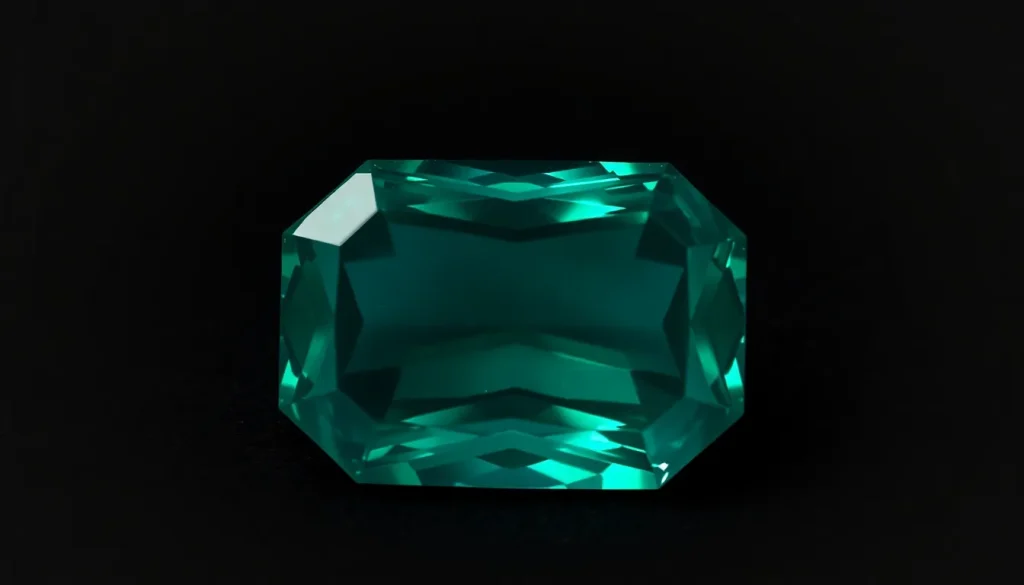
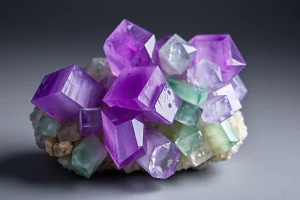
Meliphanite is a rare, blue‑green variety of the mineral scapolite, prized for its striking turquoise hue and vitreous luster. With a Mohs hardness of 5.5–6, it is used in fine jewelry and as a collector’s gem. Its name derives from the Greek “meliphanes,” meaning “honey‑colored,” reflecting its typical coloration.
History and Origin
The gemstone was first described in the early 20th century from deposits in the United States, particularly the state of Arizona. Subsequent occurrences have been reported from British Columbia (Canada), the Ural Mountains (Russia), and isolated pockets in Finland. Historically, meliphanite was used by Native American artisans for ornamental beads before gaining recognition in the international gem market.
Meaning and Symbolism
In traditional gemstone lore, meliphanite is associated with clarity of thought and honest communication. It is said to inspire confidence, encourage truthful expression, and promote emotional balance. The stone’s cool blue‑green tone is often linked to calmness and renewal.
Healing and Metaphysical Properties
Crystal‑healing practitioners attribute meliphanite with the ability to aid throat‑chakra work, helping individuals speak their truth and release suppressed emotions. It is also believed to support mental clarity, assist in meditation, and promote a sense of inner peace. These claims are based on tradition and are not a substitute for professional medical advice.
Varieties and Types
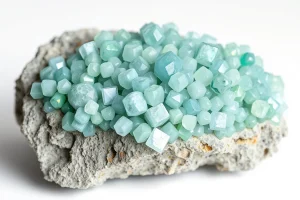
- Blue‑Green Meliphanite: The most common and sought‑after color, ranging from pale turquoise to deep teal.
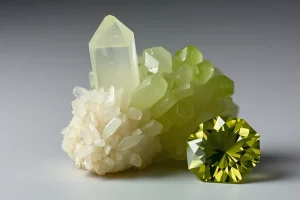
- Pale Green Meliphanite: Less intense, often exhibiting a milky translucence.
- Heat‑treated Meliphanite: Some specimens are gently heated to enhance color saturation; treatment is generally stable but should be disclosed.
Jewelry Uses and Care
Because of its moderate hardness, meliphanite is best suited for earrings, pendants, and rings that are set in protective settings such as bezel or channel settings. The stone should be cleaned with mild soap and lukewarm water, using a soft brush. Avoid ultrasonic cleaners, harsh chemicals, and prolonged exposure to high heat, as these can affect color and surface integrity.
Buying Guide
When purchasing meliphanite, consider the following:
- Color Saturation: Deep, even turquoise hues are most valuable.
- Clarity: Inclusions are common; a clean, eye‑clean stone commands a higher price.
- Cut and Symmetry: Well‑cut stones display optimal brilliance and color.
- Treatment Disclosure: Ask the seller whether the stone has been heat‑treated or enhanced.
- Certification: Reputable laboratories (e.g., GIA) can provide a gem‑identification report.
FAQ
What is meliphanite good for?
Meliphanite is valued for its attractive blue‑green color in jewelry and as a collector’s stone. Traditionally, it is believed to aid communication and emotional balance, but these effects are not medically proven.
Is meliphanite rare?
High‑quality meliphanite with vivid turquoise color is relatively rare. While the mineral occurs in several locales, gem‑grade specimens are limited, especially those that are untreated and eye‑clean.
How can you tell if meliphanite is real?
Real meliphanite shows a vitreous luster, specific gravity around 2.55–2.60, and a refractive index of 1.560–1.580. Professional testing, such as spectroscopy or a certified gemological report, is recommended for certainty.
What chakra is meliphanite associated with?
In crystal‑healing traditions, meliphanite is most commonly linked to the Throat Chakra, supporting clear expression and honest communication.
How should you clean meliphanite?
Clean meliphanite with warm soapy water and a soft brush. Avoid ultrasonic cleaners, harsh chemicals, and extreme heat, as the stone can be sensitive to sudden temperature changes and surface damage.
Leave a Reply