
Short Answer
Overview
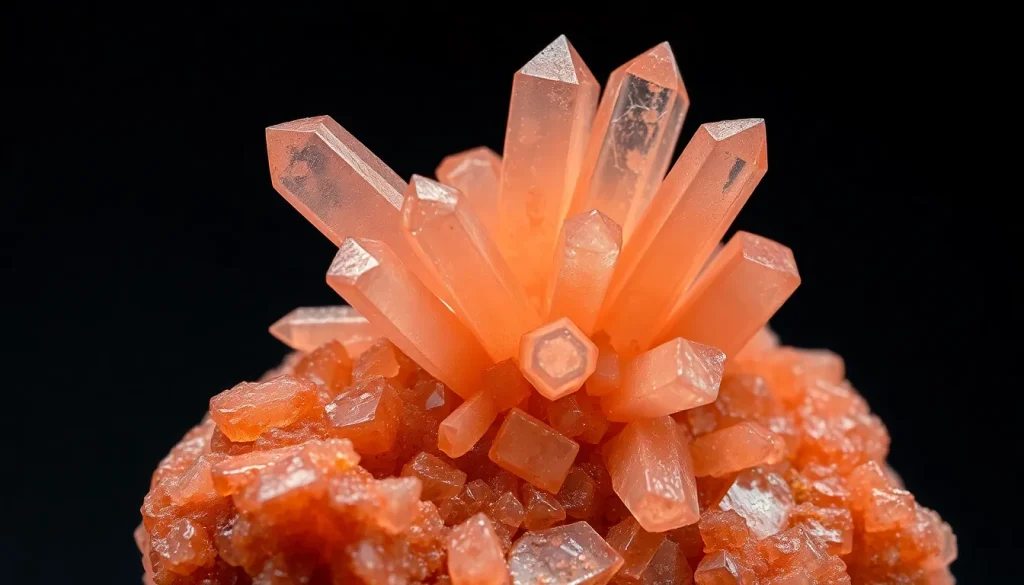
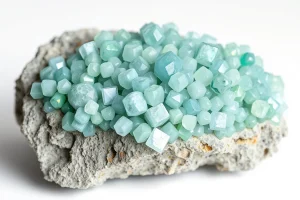
Hureaulite is a manganese arsenate mineral with the chemical formula Mn5(AsO4)2(OH)4·2H2O. It crystallizes in the monoclinic system, forming elongated, bladed crystals that often aggregate into striking clusters. The stone is most celebrated for its vivid pink, salmon, and orange‑brown colors, which can range from translucent to opaque. While primarily of interest to mineral collectors, hureaulite is occasionally cut into cabochons for ornamental jewelry due to its appealing hue and distinctive crystal habit.
History and Origin
The mineral was first described in 1867 from an occurrence near Hureaux, France, from which it derives its name. Early specimens were studied for their unusual arsenate composition and manganese content. Subsequent discoveries have been reported from several localities worldwide, including the United States (Arizona and New Jersey), Brazil (Minas Gerais), Namibia, and Australia (Queensland). These deposits typically form in oxidized zones of manganese‑rich ore bodies where arsenic-bearing solutions precipitate the mineral.
Meaning and Symbolism
In traditional gemstone lore, hureaulite’s warm pink to orange tones are associated with emotional warmth, compassion, and the nurturing aspects of the heart. It is said to encourage self‑acceptance and to foster a sense of inner security. Because the stone is relatively uncommon, it is also sometimes viewed as a symbol of uniqueness and personal authenticity.
Healing and Metaphysical Properties
Crystal‑healing practitioners attribute hureaulite with the ability to support emotional balance and to aid in the release of past traumas. It is believed to resonate with the heart chakra, promoting love, forgiveness, and the expression of true feelings. Users of hureaulite in meditation report a gentle grounding effect that assists in staying present while also encouraging creative inspiration. These claims are based on traditional beliefs and are not intended as medical advice.
Varieties and Types
Color variations in hureaulite are primarily a function of manganese oxidation state and trace impurities. The most common varieties include:
- Pink to salmon – the classic coloration prized by collectors.
- Orange‑brown – often found in specimens with higher iron content.
- Colorless or pale yellow – rarer forms that may be translucent.
All varieties share the same monoclinic crystal structure and physical properties, though subtle differences in hue can affect their desirability for jewelry versus display purposes.
Jewelry Uses and Care
Because hureaulite ranks only 3.5–4 on the Mohs hardness scale, it is relatively soft compared with traditional gemstone choices. It is best suited for pendants, earrings, and brooches where the stone can be protected from abrasion. The mineral’s perfect cleavage on {010} makes it susceptible to chipping if struck.
Recommended care includes:
- Clean with a soft, lint‑free cloth; avoid ultrasonic cleaners.
- Use mild soap and lukewarm water for tougher grime, rinsing thoroughly.
- Store separately from harder gemstones to prevent scratching.
- Avoid prolonged exposure to high heat or direct sunlight, which can fade the color.
Buying Guide
When purchasing hureaulite, consider the following factors:
- Color intensity: Deep, uniform pink or orange hues are most valued.
- Clarity: Look for specimens with minimal surface fractures; internal inclusions are common but should not compromise structural integrity.
- Crystal form: Well‑formed, bladed crystals that display the characteristic monoclinic habit increase collectability.
- Treatment disclosure: Authentic hureaulite is rarely treated, but any enhancement (e.g., bleaching) should be disclosed by the seller.
- Certification: For high‑value pieces, request a gemological report from a reputable laboratory.
Because the mineral is not widely used in commercial jewelry, prices can vary widely based on size, color, and rarity of the specimen. Purchasing from reputable mineral dealers or accredited gemstone retailers helps ensure authenticity.
FAQ
What is Hureaulite good for?
Hureaulite is prized by collectors for its vivid pink‑orange colors and distinctive crystal clusters. In crystal‑healing traditions it is believed to support emotional balance and heart‑centered energy, though these claims are not scientifically verified.
Is Hureaulite rare?
Hureaulite is considered uncommon; high‑quality, vividly colored specimens are relatively rare, especially those suitable for jewelry. Availability depends on locality, color intensity, and crystal habit, with fine specimens fetching higher prices.
How can you tell if Hureaulite is real?
Authentic hureaulite displays a monoclinic, bladed crystal habit, a Mohs hardness of 3.5‑4, and a white streak. Its refractive indices are characteristic and can be confirmed with a gemological refractometer. Professional verification by a certified lab is recommended for valuable pieces.
What chakra is Hureaulite associated with?
Traditional crystal‑healing sources often associate hureaulite with the heart chakra, reflecting its warm pink hues and emphasis on compassion, though no single standard chakra is universally accepted.
How should you clean Hureaulite?
Clean hureaulite gently with a soft cloth and mild soapy water. Avoid ultrasonic cleaners, harsh chemicals, and high heat. Store separately from harder gemstones to prevent scratching, and keep it out of direct sunlight for prolonged periods.
Leave a Reply