
Short Answer
Overview
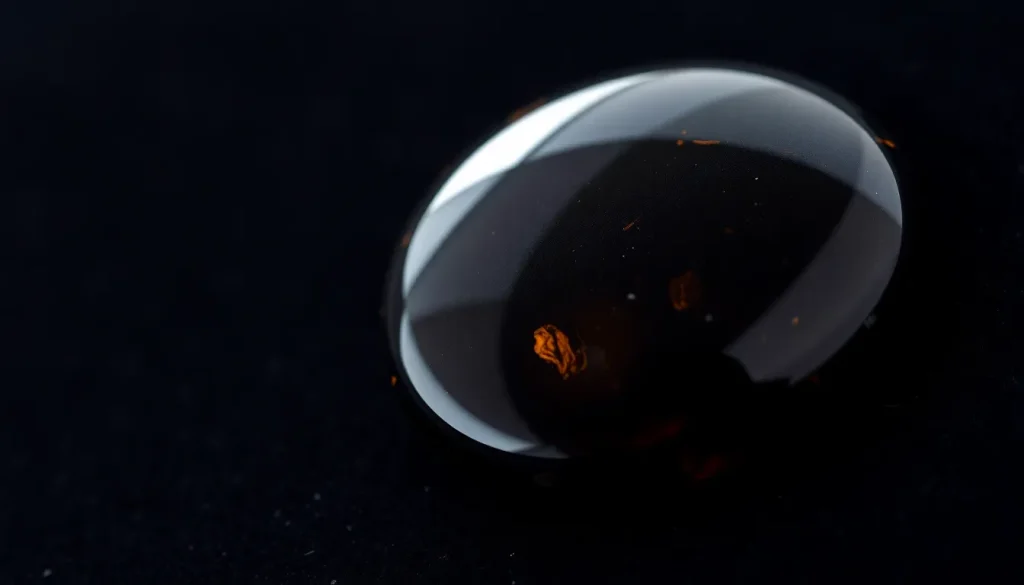
Hibonite is a rare calcium‑aluminum oxide mineral (CaAl12O19) that occurs in both terrestrial igneous rocks and in primitive meteorites. Its high hardness (8.5–9 on the Mohs scale) and adamantine luster make it suitable for use as a collector’s gemstone, often faceted or polished as a cabochon.
History and Origin
The mineral was first described in 1953 from a sample collected in Madagascar and named after French mineralogist Paul Hibon. Subsequent discoveries in kimberlite pipes, basaltic lava flows, and carbonaceous chondrite meteorites (e.g., the Allende meteorite) have highlighted its cosmochemical significance.
Meaning and Symbolism
In traditional gem lore, hibonite is said to represent perseverance and inner strength, reflecting its formation under extreme temperatures and pressures. It is sometimes associated with the idea of “stellar wisdom” because many specimens originate from meteorites.
Healing and Metaphysical Properties
Crystal‑healing practitioners claim that hibonite can help ground emotional turbulence, promote clarity of thought, and support the alignment of personal goals. These beliefs are considered metaphysical and are not supported by medical evidence.
Varieties and Types
- Hibonite‑Fe – iron‑rich variety, often darker brown to black.
- Hibonite‑Ti – contains titanium, may display a slightly reddish hue.
- Colorless Hibonite – rare, transparent specimens found in some meteorites.
Jewelry Uses and Care
Because of its high hardness, hibonite can be cut into faceted gems or polished cabochons for rings, pendants, and earrings. It is resistant to scratching but can fracture if struck. Cleaning should be done with warm, soapy water and a soft brush; avoid ultrasonic cleaners if the stone has natural inclusions.
Buying Guide
When selecting hibonite, consider the following:
- Origin – meteorite specimens are usually more valuable than terrestrial ones.
- Clarity – inclusions can affect both appearance and durability.
- Cut – well‑cut stones display strong luster and minimal surface tension.
- Certification – reputable gemological labs can provide identification reports.
FAQ
What is hibonite good for?
Practically, hibonite is valued by collectors for its rarity and high hardness, and it is sometimes used in high‑end jewelry. Traditionally, it is believed to promote perseverance, grounding, and clarity of thought.
Is hibonite rare?
Yes. High‑quality, transparent hibonite suitable for jewelry is uncommon, especially specimens from meteorites. Terrestrial hibonite is also scarce and typically found only in specific kimberlite or basaltic deposits.
How can you tell if hibonite is real?
Authentic hibonite displays a high refractive index (≈1.74‑1.75), adamantine luster, and a hardness of 8.5–9. It lacks cleavage and has a white streak. Professional gemological testing, such as spectroscopy or a GIA report, is recommended for certainty.
What chakra is hibonite associated with?
In crystal‑healing traditions, hibonite is sometimes linked to the Root chakra for grounding, though there is no single standard chakra association.
How should you clean hibonite?
Clean hibonite with warm soapy water and a soft brush. Rinse thoroughly and pat dry with a lint‑free cloth. Avoid ultrasonic cleaners and harsh chemicals, especially if the stone contains natural inclusions.
Leave a Reply