Short Answer
Overview
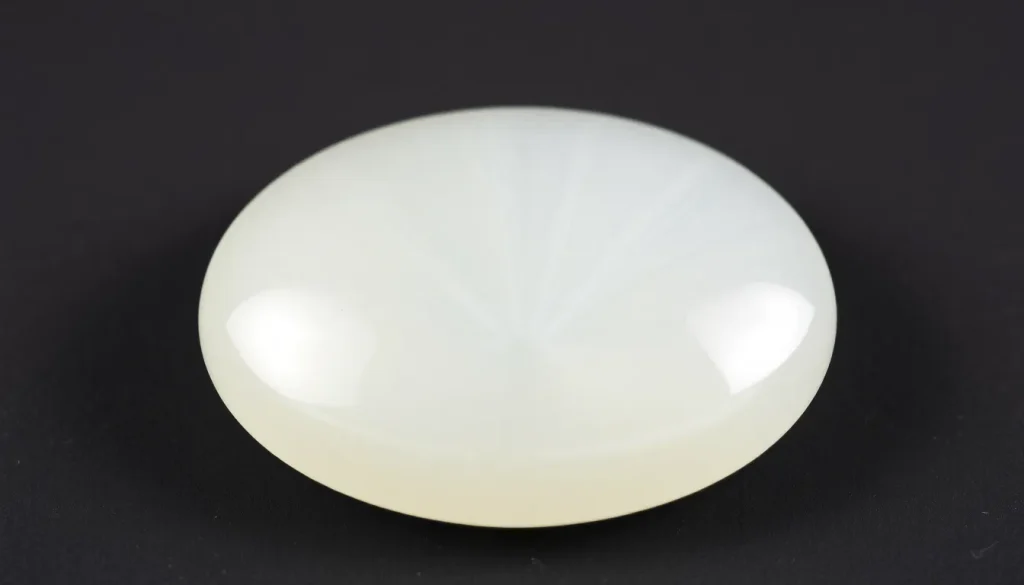
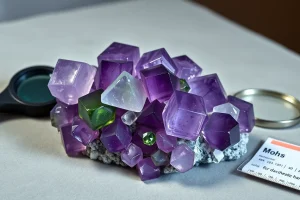
Gyrolite is a calcium silicate hydrate mineral that belongs to the zeolite group. Its chemical formula is Ca8(Si6O15)(OH)2·8H2O. Gyrolite typically forms in radiating, fibrous aggregates that can be cut into cabochons or beads. The stone exhibits a vitreous luster, a hardness of 5.5–6 on the Mohs scale, and a specific gravity of about 2.5–2.6. Coloration ranges from colourless or white to pale green, blue, pink, and occasionally multicoloured shades, often with a translucently milky appearance.
History and Origin
The name “gyrolite” derives from the Greek word gyros meaning “circle,” a reference to its common radial crystal habit. The mineral was first described in the mid‑19th century from specimens found in a French locality (often cited as the Gyrol mine). Since then, gyrolite has been reported from hydrothermal veins and metamorphosed limestones in several countries, including the United States, Canada, Japan, Italy, Germany, and Norway.
Meaning and Symbolism
In traditional gemstone lore, gyrolite is associated with clarity of thought and inner peace. Its soft pastel colors are said to promote calmness and gentle emotional balance. Collectors value it for its rarity and the subtle elegance it adds to a jewelry piece.
Healing and Metaphysical Properties
Crystal‑healing practitioners attribute the following beliefs to gyrolite (these are not medical facts):
- Enhances mental clarity and aids in decision‑making.
- Supports emotional healing by encouraging forgiveness and compassion.
- Balances the heart and throat chakras, facilitating honest communication.
These properties are part of traditional metaphysical systems and should not replace professional medical advice.
Varieties and Types
Gyrolite occurs in several colour varieties, each reflecting trace impurities or slight variations in formation conditions:
- White/Grey Gyrolite – The most common, often found as translucent, milky aggregates.
- Pale Green Gyrolite – Shows a subtle green hue due to trace iron or nickel.
- Blue‑Tinted Gyrolite – Rare, with a faint blue coloration.
- Pink Gyrolite – Very uncommon, the pink tone results from minute manganese inclusions.
All varieties share the same crystal structure and physical properties; differences are primarily in color.
Jewelry Uses and Care
Because of its moderate hardness, gyrolite is most often used in settings that protect the stone, such as bezel or pendant settings. It is popular for:
- Cabochon rings and earrings.
- Beaded necklaces and bracelets.
- Artisan jewelry where the stone’s natural radiating habit is showcased.
Care instructions:
- Clean gently with warm, soapy water and a soft brush; avoid harsh chemicals.
- Do not expose to ultrasonic cleaners or steam, as the mineral can be sensitive to sudden temperature changes.
- Store separately from harder gemstones to prevent scratching.
Buying Guide
When purchasing gyrolite, consider the following:
- Color and Clarity: High‑quality stones display even, pastel coloration with minimal cloudiness.
- Cut and Setting: Look for well‑executed cabochon cuts that enhance the stone’s natural radiance.
- Origin Documentation: Reputable dealers often provide locality information; gyrolite from known hydrothermal localities is generally more valued.
- Treatment Disclosure: Gyrolite is rarely treated, but any enhancement (e.g., dye) should be disclosed.
- Professional Verification: For significant purchases, request a gemological report from a recognized laboratory.
Following these guidelines helps ensure you acquire an authentic and aesthetically pleasing gyrolite specimen.
FAQ
What is gyrolite good for?
Gyrolite is valued in jewelry for its subtle pastel colors and glassy luster. Traditionally, crystal‑healing beliefs attribute mental clarity and emotional balance to the stone, but these are not medical claims.
Is gyrolite rare?
High‑quality gyrolite specimens are relatively rare because the mineral occurs in limited hydrothermal localities and desirable colors such as pink or blue are uncommon.
How can you tell if gyrolite is real?
Real gyrolite feels cool to the touch, has a hardness of 5.5–6, and shows a vitreous luster with a milky translucence. Professional testing, such as refractive index measurement or X‑ray diffraction, provides definitive verification.
What chakra is gyrolite associated with?
In crystal‑healing traditions gyrolite is often linked to the heart and throat chakras, though no single standard chakra association exists.
How should you clean gyrolite?
Clean gyrolite with warm soapy water and a soft brush. Avoid ultrasonic cleaners, steam, or harsh chemicals, and store it separately from harder gems to prevent scratches.
Leave a Reply