
Short Answer
Overview
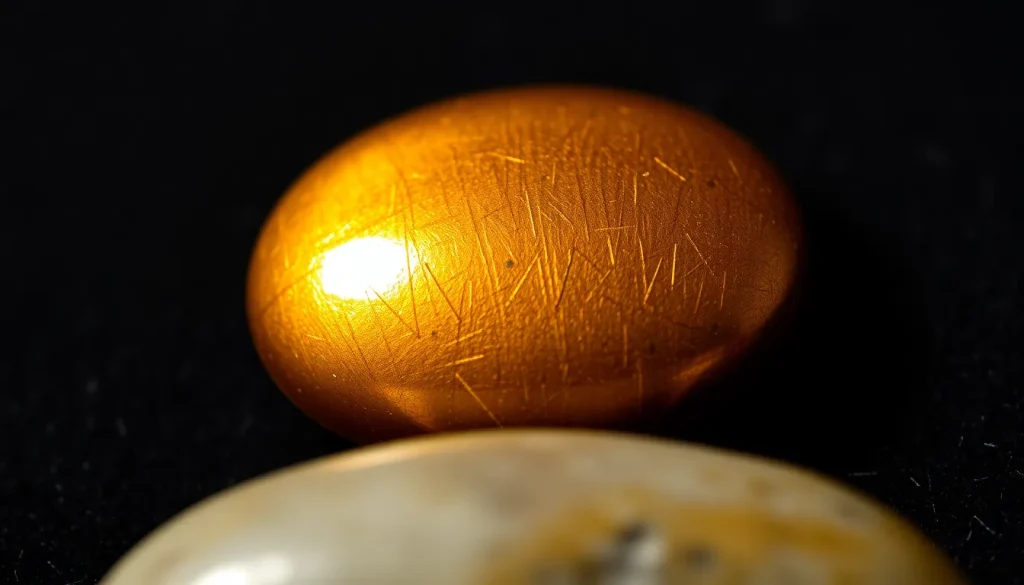
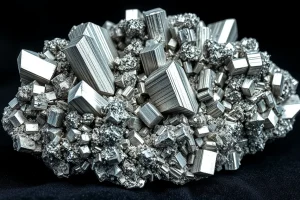
Goethite is an iron oxyhydroxide mineral with the chemical formula FeO(OH). It commonly occurs in earthy brown, yellow‑brown, golden, and black tones, displaying a metallic to sub‑metallic luster. Though primarily an industrial ore, goethite is also cut and polished for use in beads, cabochons, and artistic jewelry.
History and Origin
The name “goethite” honors the German chemist Johann Wolfgang von Goethe, who first described the mineral in 1789. Historically it has been an important source of iron and a component of lateritic soils. Naturally occurring goethite forms in oxidizing environments, such as weathered iron‑rich rocks, hydrothermal veins, and as a secondary product of the alteration of other iron minerals.
Meaning and Symbolism
In traditional gemstone lore, goethite is associated with grounding, stability, and the endurance of the earth. Its deep, earthy hues are thought to reflect perseverance and the ability to transform challenges into strength. The metallic sheen is sometimes linked to personal power and the capacity to shine despite humble origins.
Healing and Metaphysical Properties
Within crystal‑healing circles, goethite is believed to aid in grounding and stabilizing the aura. Practitioners claim it can help release negative emotions, boost confidence, and support physical endurance. These properties are described as traditional beliefs and are not intended as medical advice.
Varieties and Types
Goethite appears in several recognizable forms:
- Botryoidal Goethite: Rounded, grape‑like aggregates often used in ornamental carvings.
- Reniform (Kidney‑shaped) Goethite: Smooth, curved masses prized for cabochons.
- Black Goethite: Dark specimens that may be found as massive nodules, valued for their dramatic contrast.
- Golden‑Yellow Goethite: Bright, honey‑colored crystals that display a striking metallic luster when polished.
Jewelry Uses and Care
Because goethite rates 5–5.5 on the Mohs scale, it is suitable for earrings, pendants, and bracelets that are not subject to heavy impact. The stone is often set in silver or gold settings that complement its warm tones.
Cleaning
Use a soft, lint‑free cloth to wipe away dust. For deeper cleaning, a mild soap solution and a soft brush are safe; avoid ultrasonic cleaners and harsh chemicals, which can affect surface luster.
Storage
Store goethite pieces separately from harder gemstones to prevent scratching. A padded jewelry box or a fabric pouch offers adequate protection.
Buying Guide
When selecting goethite, consider the following factors:
- Color and Luster: Rich, uniform tones with a bright metallic sheen are most desirable.
- Cut and Finish: Well‑polished cabochons or beads reveal the stone’s natural reflectivity.
- Origin: Specimens from classic localities such as Germany, Brazil, or Arizona are often prized, though quality varies more with crystal habit than geography.
- Treatment Disclosure: Some commercial goethite is heat‑treated to enhance color; reputable sellers should disclose any treatments.
- Certification: For high‑value pieces, request a gemological report confirming mineral identity and any treatments.
Because goethite is relatively abundant, price points are modest. However, rare, well‑formed botryoidal or golden specimens can command higher values.
FAQ
What is goethite good for?
Goethite is valued for its warm metallic hues in jewelry and decorative objects. Traditionally, it is believed to provide grounding and confidence, while in industrial contexts it serves as an important iron ore.
Is goethite rare?
Goethite is relatively common as an ore mineral, but high‑quality, well‑formed specimens with vivid color and strong luster are less frequent, making fine jewelry pieces modestly scarce.
How can you tell if goethite is real?
Real goethite feels heavy for its size, shows a metallic luster, and has a yellow‑brown streak. It is opaque and may display perfect cleavage. Professional gemological testing (e.g., X‑ray diffraction) confirms authenticity.
What chakra is goethite associated with?
In crystal‑healing traditions, goethite is commonly linked to the Root (Muladhara) chakra, supporting grounding and stability.
How should you clean goethite?
Clean goethite with a soft cloth and mild soapy water, using a gentle brush if needed. Avoid ultrasonic cleaners, steam, or harsh chemicals, and store it separately from harder gemstones to prevent scratches.
Leave a Reply