
Short Answer
Overview
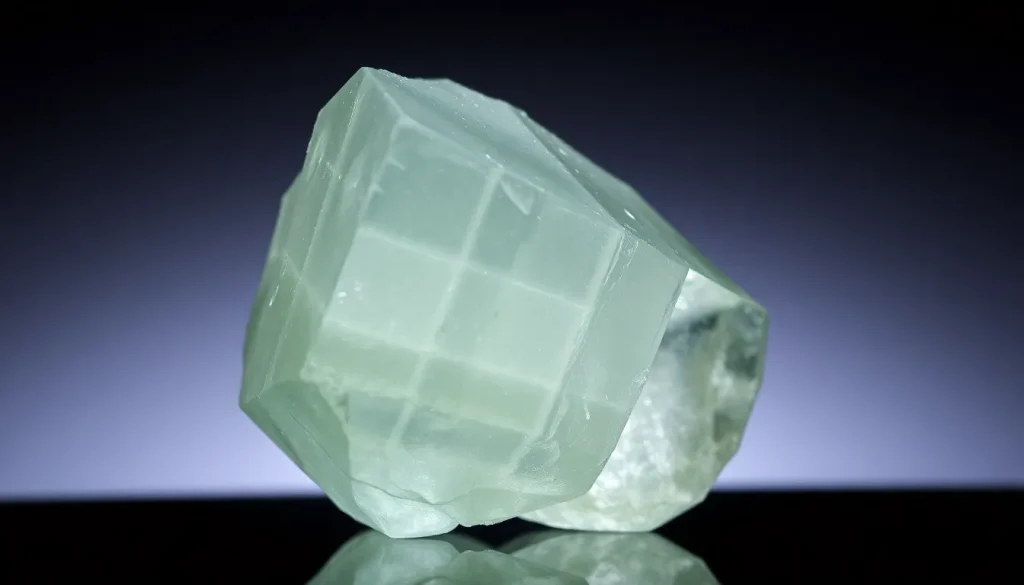
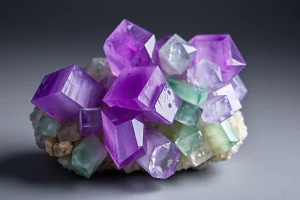
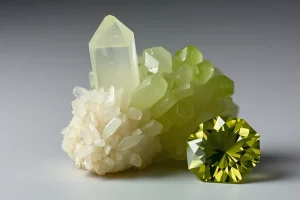
Fluorapophyllite is a member of the apophyllite group, a series of potassium‑calcium silicate minerals containing fluoride. Its ideal chemical formula is KCa4Si8O20F·8H2O. Crystals are typically tabular to prismatic, displaying a distinctive tetragonal symmetry and a vitreous luster. The stone is most often found in a colorless to pale yellow, pale green, or soft pink range, and it can be transparent or translucent.
History and Origin
The name “fluorapophyllite” was introduced in the early 20th century to distinguish the fluoride‑rich variety from the hydroxyl‑bearing hydroxyapophyllite. Specimens were first described from the United States, particularly Utah and New Mexico, where volcanic tuffs provide the necessary low‑temperature hydrothermal environment. Since then, fluorapophyllite has been reported from a handful of localities worldwide, including Canada, Japan, Norway, Italy, and Brazil.
Meaning and Symbolism
In traditional gemstone lore, fluorapophyllite is associated with clarity of thought and the gentle unfolding of inner potential. Its subtle pastel colors are thought to encourage calm reflection and to aid in the expression of truth without aggression. The stone is sometimes used as a “bridge” between the heart and higher mind, symbolizing quiet confidence.
Healing and Metaphysical Properties
Crystal‑healing practitioners attribute the following beliefs to fluorapophyllite:
- Emotional balance: Helps release lingering anxiety and promotes a sense of inner peace.
- Mental clarity: Said to sharpen focus and support decision‑making, especially in creative pursuits.
- Energy work: Used in meditation to align the crown chakra and assist in spiritual expansion.
These claims are based on tradition and personal experience; they are not medical advice.
Varieties and Types
The apophyllite group contains two primary varieties:
- Fluorapophyllite – contains fluoride (F) in the structural site; most common color range is colorless, pale yellow, or pale green.
- Hydroxyapophyllite – contains hydroxyl (OH) instead of fluoride; often appears slightly more opaque and can show a faint pink hue.
Both varieties share the same crystal habit and hardness, but fluorapophyllite is the form most frequently cut for jewelry because of its higher transparency.
Jewelry Uses and Care
Because of its modest hardness (4.5–5 on the Mohs scale) and perfect basal cleavage, fluorapophyllite is best suited for pendants, earrings, and brooches where the stone is protected from abrasion. Common cuts include cabochon, low‑relief faceting, and free‑form slices that showcase the crystal’s natural tabular shape.
Care recommendations:
- Clean with warm, soapy water and a soft brush; avoid ultrasonic cleaners.
- Do not expose to harsh chemicals, acids, or prolonged heat.
- Store separately from harder gemstones to prevent scratching.
Buying Guide
When selecting fluorapophyllite, consider the following factors:
- Color: The most valued stones are transparent and display a uniform pale hue without cloudiness.
- Clarity: Inclusions are common; look for stones with minimal internal fractures that could weaken the piece.
- Cut: Well‑cut cabochons that respect the natural basal cleavage tend to retain durability.
- Treatment: Natural fluorapophyllite is rarely treated, but some specimens may be stabilized with resin. Ask for documentation.
- Certification: For higher‑value pieces, request a gemological report from a recognized laboratory.
Because the mineral is not widely mined in large commercial operations, high‑quality, large specimens are relatively scarce and may command higher prices.
FAQ
What is fluorapophyllite good for?
Fluorapophyllite is prized for its soft pastel colors and delicate crystal habit, making it suitable for pendants, earrings, and decorative pieces. Traditionally, it is believed to promote mental clarity and calm emotional states, though these are not medical claims.
Is fluorapophyllite rare?
High‑quality, large, and transparent fluorapophyllite specimens are relatively scarce because the mineral forms in limited hydrothermal environments and is soft, which restricts its use in mainstream jewelry.
How can you tell if fluorapophyllite is real?
Real fluorapophyllite exhibits a vitreous luster, perfect basal cleavage, and a refractive index around 1.511–1.514. It should feel cool to the touch and may show natural tabular growth. Professional gemological testing, such as spectroscopy or a refractometer, confirms authenticity.
What chakra is fluorapophyllite associated with?
In crystal‑healing traditions, fluorapophyllite is often linked to the crown chakra, supporting spiritual insight, though there is no universally accepted chakra assignment.
How should you clean fluorapophyllite?
Clean gently with warm, mildly soapy water and a soft brush. Avoid ultrasonic cleaners, harsh chemicals, and high heat, as the stone’s perfect cleavage can be damaged by sudden temperature changes or abrasive actions.
Leave a Reply