
Short Answer
Overview
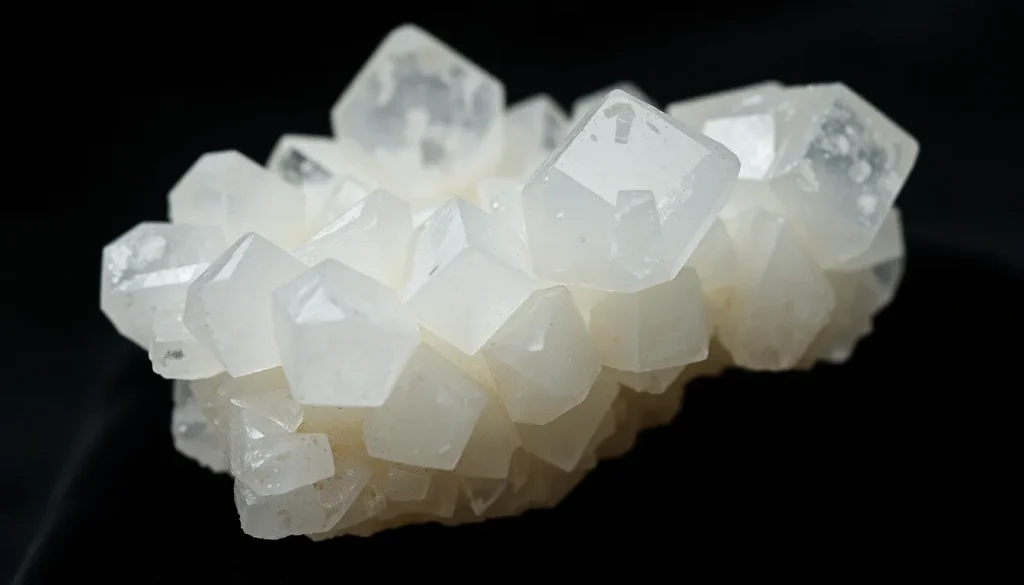
Shocked quartz is a natural variety of quartz (SiO₂) in which the crystal lattice has been fractured by a sudden shock event such as a meteor impact, tectonic movement, or rapid heating. The network of microscopic fractures scatters light, giving the stone a characteristic milky, hazy or “shocked” appearance. While it retains the hardness of quartz (Mohs 7), the internal fracture pattern makes each piece unique, and it is often cut as cabochons or beads for jewelry.
History and Origin
The term “shocked quartz” entered gemological literature in the early 20th century when mineralogists observed quartz from impact sites that displayed a distinct fracture network. Natural occurrences are reported from all major quartz‑bearing regions, especially where sudden pressure changes occur – for example, the meteor‑impact fields of Brazil, the volcanic terrains of Madagascar, and the Ozark plateau of the United States. Some specimens are also produced artificially by controlled thermal shock, a technique used by gem cutters to enhance the stone’s visual depth.
Meaning and Symbolism
In traditional folklore, shocked quartz is thought to represent resilience and transformation. The internal cracks are interpreted as symbols of overcoming hardship, turning “damage” into beauty. It is sometimes given as a gift to mark a new beginning, personal growth, or the healing of emotional wounds.
Healing and Metaphysical Properties
Crystal‑healing practitioners attribute the following properties to shocked quartz, describing them as beliefs rather than medical facts:
- Grounding and Release: The fractured structure is said to help release stored negative energy and promote grounding.
- Clarity of Thought: Its clear base material combined with the “shocked” pattern is believed to aid mental clarity and focus.
- Emotional Balance: Some say it supports emotional equilibrium during periods of stress or transition.
These claims are part of traditional metaphysical systems and are not supported by clinical research.
Varieties and Types
Shocked quartz occurs in several color ranges, each influenced by trace impurities or included minerals:
- White / Milky: The most common, showing a uniformly hazy appearance.
- Pink‑Blush: Light pink hues from trace manganese or iron.
- Brown / Amber: Brownish tones caused by organic inclusions or iron oxide.
- Black or Dark Grey: Result from abundant carbon or mineral inclusions.
Distinguishing natural shocked quartz from treated or synthetic material relies on examining the fracture pattern under magnification; natural shock fractures are irregular and three‑dimensional, whereas laboratory‑induced fractures often appear more uniform.
Jewelry Uses and Care
Because of its unique visual effect, shocked quartz is popular in:
- Cabochons set in rings, pendants, and earrings.
- Beads for bracelets and necklaces.
- Inlays in watches and decorative objects.
Care instructions:
- Clean with warm, mild soapy water and a soft brush; avoid harsh chemicals.
- Do not expose to ultrasonic cleaners or steam, as the internal fractures can expand.
- Store separately from harder gemstones to prevent scratching.
- Polish with a lint‑free cloth; avoid high‑pressure polishing that could worsen the fracture network.
Buying Guide
When selecting shocked quartz, consider the following:
- Clarity of Shock Pattern: A well‑distributed, fine fracture network is most prized.
- Color Saturation: While milky white is classic, subtle pink or brown hues can add value.
- Cut Quality: Cabochons should be smoothly polished to showcase depth without exposing sharp edges.
- Origin Disclosure: Reputable dealers will note whether the stone is natural or thermally treated.
- Certification: For high‑value pieces, request a gemological report confirming quartz composition and any treatments.
Prices vary widely; high‑quality natural shocked quartz with vivid color and fine shock patterns may command premium prices, whereas common milky specimens are more affordable.
FAQ
What is shocked quartz good for?
Shocked quartz is valued for its distinctive milky appearance in jewelry and as a decorative stone. Traditionally, it is believed to promote grounding, emotional balance, and mental clarity, though these claims are not scientifically proven.
Is shocked quartz rare?
The rarity of shocked quartz depends on the quality of the fracture pattern, color, and whether it is natural or thermally treated. High‑quality natural specimens with vivid colors are less common, while milky, lower‑grade material is relatively abundant.
How can you tell if shocked quartz is real?
Examine the stone under magnification; natural shock fractures appear irregular and three‑dimensional. Synthetic or heavily treated pieces may show uniform patterns. For certainty, request a gemological report or have the stone tested by a qualified laboratory.
What chakra is shocked quartz associated with?
In crystal‑healing traditions shocked quartz is sometimes linked to grounding and the Root chakra, but there is no universally accepted chakra association.
How should you clean shocked quartz?
Clean shocked quartz with warm, mild soapy water and a soft brush. Avoid ultrasonic cleaners, steam, or harsh chemicals, as the internal fractures can expand. Store separately from harder gemstones to prevent scratching.
Leave a Reply