
Short Answer
Overview
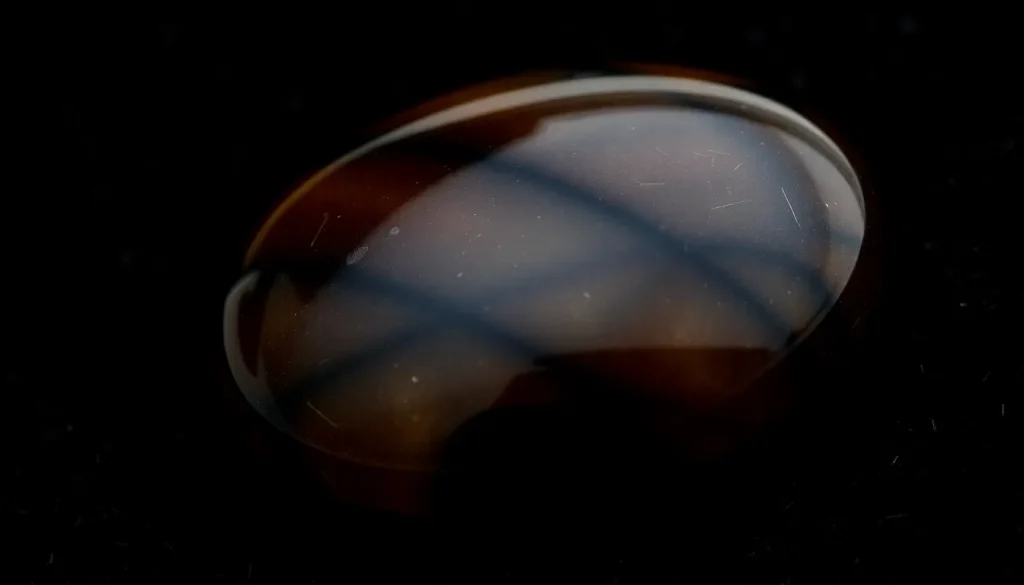
Dravite is the dark‑brown to black variety of the tourmaline group, a complex cyclosilicate prized for its deep earthy hue and robust physical properties. With a Mohs hardness of 7–7.5, a vitreous to sub‑adamantine luster, and good resistance to scratching, dravite is widely used in rings, pendants, and beads, while also being a favorite in metaphysical circles for grounding and protection.
History and Origin
The term “dravite” entered mineralogical literature in the mid‑19th century, derived from the German word *drab* that describes its muted brown coloration. Historically, dravite specimens were collected from the brown‑rich deposits of Brazil’s Minas Gerais region, which remains a major source today. Additional notable localities include the Nuristan region of Afghanistan, the Khyber Pass of Pakistan, the Tete Province of Mozambique, and historic occurrences in California, USA. Early trade focused on ornamental carvings and cabochons, and the stone gained popularity in the Art Nouveau movement for its natural, earthy tones.
Meaning and Symbolism
In traditional gemstone lore, dravite symbolizes stability, endurance, and the ability to stay grounded during change. Its brown shades are associated with the earth element, representing reliability, practicality, and a connection to nature. Jewelers often select dravite for pieces intended to convey understated elegance and durability.
Healing and Metaphysical Properties
Within crystal‑healing belief systems, dravite is thought to absorb negative energies and transform them into positive, grounding forces. Practitioners claim that carrying or meditating with dravite can enhance personal resilience, promote a sense of security, and support the root chakra. These properties are regarded as traditional or spiritual beliefs and are not medical facts.
Varieties and Types
- Chocolate Dravite – a rich, medium‑brown tone often used in jewelry for a warm look.
- Black Dravite – very dark, almost opaque specimens prized for their mysterious appearance.
- Brown‑Green Dravite – displays a subtle greenish tint, occasionally found in Afghan deposits.
All varieties share the same tourmaline crystal structure; color variations arise from differing iron, manganese, and trace element concentrations.
Jewelry Uses and Care
Because dravite scores 7–7.5 on the Mohs scale, it is suitable for many jewelry settings, including rings, earrings, and bracelets. However, its conchoidal fracture and occasional internal inclusions mean that deep settings and protective prongs are advisable to minimize impact damage.
- Cleaning: Use warm, soapy water and a soft brush. Rinse thoroughly and pat dry with a lint‑free cloth.
- Avoid: Harsh chemicals, ultrasonic cleaners (if the stone is heavily included), and prolonged exposure to high heat.
- Storage: Keep dravite pieces separate from softer gems such as opal or pearl to prevent scratching.
Buying Guide
When selecting dravite, consider the following factors:
- Color Saturation: Deep, even brown without gray or yellow overtones is generally more desirable.
- Clarity: Inclusions are common; a clean cabochon or well‑polished facet will display the stone’s natural luster.
- Treatment Disclosure: Some dravite is heat‑treated to enhance color. Reputable dealers should disclose any treatment.
- Certification: For high‑value pieces, request a gemstone report from a recognized laboratory (e.g., GIA, IGI).
n
Purchasing from a trusted jeweler or gemstone dealer reduces the risk of misidentified or artificially enhanced material.
FAQ
What is dravite good for?
Dravite is valued for its durable brown color in jewelry and, according to traditional crystal‑healing beliefs, for grounding, protection, and enhancing personal stability.
Is dravite rare?
High‑quality dravite with deep, even color is less common than lighter tourmaline varieties, but the mineral itself is relatively abundant in several major localities.
How can you tell if dravite is real?
Real dravite feels heavy for its size, shows a vitreous luster, and may exhibit a faint pleochroism. Professional testing—such as refractive index measurement and spectroscopic analysis—confirms authenticity.
What chakra is dravite associated with?
In crystal‑healing traditions, dravite is most often linked to the Root (Muladhara) chakra, reflecting its earthy color and grounding symbolism.
How should you clean dravite?
Clean dravite with warm soapy water and a soft brush, rinse well, and dry with a lint‑free cloth. Avoid ultrasonic cleaners and harsh chemicals, and store it separately from softer gems.
Leave a Reply