
Short Answer
Overview
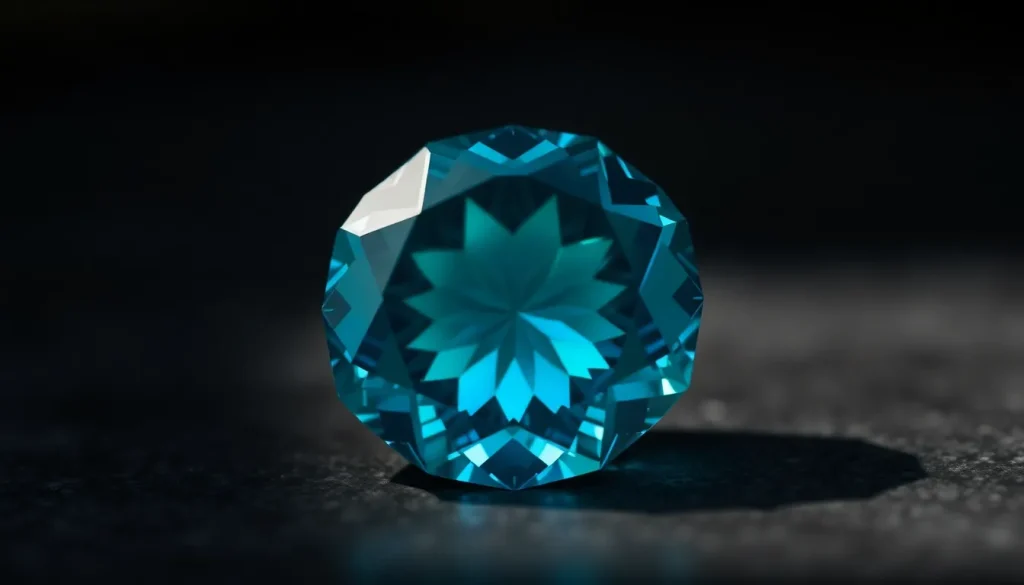
Grandidierite is an exceptionally rare silicate mineral noted for its striking bluish‑green to teal coloration and pronounced pleochroism, which can display two distinct colors when viewed from different angles. With a Mohs hardness of 7.5–8, it is suitable for many types of jewelry, though its scarcity often limits its use to high‑end pieces. The stone was first identified in Madagascar and remains one of the world’s most sought‑after collector’s gems.
History and Origin
The mineral was discovered in 1902 in the southeastern region of Madagascar by French geologist René Binet. It was named in honor of French naturalist and explorer Alfred Grandidier, who made extensive studies of Madagascar’s flora and fauna. Early specimens were extremely small and often mistaken for other blue minerals. Since the original find, additional localities have been identified, including Sri Lanka, Tanzania, Brazil, and Myanmar, though the Madagascar deposits continue to produce the most prized material.
Meaning and Symbolism
In traditional gemstone lore, Grandidierite is associated with clarity of thought, calm communication, and inner truth. Its cool blue‑green hue is said to evoke the serenity of clear water, encouraging emotional balance and the ability to express oneself honestly. Collectors value the stone not only for its rarity but also for the symbolic promise of personal insight and calm confidence.
Healing and Metaphysical Properties
Crystal‑healing practitioners attribute Grandidierite with the following metaphysical qualities:
- Emotional Healing: Promotes tranquility, reduces stress, and helps release emotional blockages.
- Communication: Assists in clear self‑expression and supports the throat chakra, encouraging honest dialogue.
- Intuition: Enhances intuitive abilities and aids in spiritual insight during meditation.
These claims are based on traditional beliefs and should not be substituted for professional medical advice.
Varieties and Types
Grandidierite occurs naturally in two primary visual forms:
- Natural (Untreated) Grandidierite: Exhibits the classic blue‑green to teal color with strong pleochroism. High‑quality stones are transparent with minimal inclusions.
- Treated Grandidierite: Some lower‑color specimens are heat‑treated to enhance hue intensity. Treated stones should be disclosed by reputable sellers.
There are no widely recognized sub‑varieties, but the stone’s appearance can vary from a pale turquoise to a deep, vivid teal depending on its iron content and crystal orientation.
Jewelry Uses and Care
Because of its hardness (7.5–8) and relatively good cleavage, Grandidierite is suitable for rings, earrings, pendants, and brooches when set protectively. Cabochons and faceted cuts that hide cleavage planes are preferred. Care instructions include:
- Clean with a soft brush and mild soap solution; avoid ultrasonic cleaners if the stone is untreated and has visible inclusions.
- Store separately from harder gemstones (e.g., diamonds, sapphire) to prevent scratching.
- Avoid prolonged exposure to high heat or harsh chemicals, especially for treated specimens.
Buying Guide
When purchasing Grandidierite, consider the following factors:
- Color Saturation: Deep, vivid teal or blue‑green with strong pleochroism is most valuable.
- Clarity: Inclusions are common; a clean, transparent stone commands a premium.
- Cut and Orientation: A well‑cut stone will display pleochroism effectively; ask the dealer which axis is presented.
- Size: Larger stones are extremely rare; most market‑available pieces are under 2 carats.
- Certification: Request a gem‑ological report from a recognized laboratory (e.g., GIA, IGI) confirming authenticity and any treatments.
Because the market is limited, buying from reputable dealers who provide provenance and certification is essential to avoid synthetic or misidentified material.
FAQ
What is Grandidierite good for?
Grandidierite is prized for its rare, vivid teal color and strong pleochroism, making it a desirable collector’s gemstone and a striking choice for high‑end jewelry. Traditionally, it is also believed to aid clear communication and emotional balance.
Is Grandidierite rare?
Yes. High‑quality, transparent Grandidierite with deep color is extremely rare. The stone is found in only a few localities, and large, flawless crystals are scarce, contributing to its high market value.
How can you tell if Grandidierite is real?
Authentic Grandidierite exhibits strong pleochroism (color change with rotation), a refractive index around 1.58–1.60, and a hardness of 7.5–8. Professional gemologists use spectroscopy, refractometers, and microscopy, and a certified gem‑lab report is recommended for certainty.
What chakra is Grandidierite associated with?
In crystal‑healing traditions, Grandidierite is most commonly linked to the Throat chakra, supporting honest self‑expression and clear communication.
How should you clean Grandidierite?
Clean Grandidierite with warm, soapy water and a soft brush. Rinse thoroughly and pat dry with a lint‑free cloth. Avoid ultrasonic cleaners and harsh chemicals, especially on treated stones, and store them separately from harder gems to prevent scratches.
Leave a Reply