
Short Answer
Overview
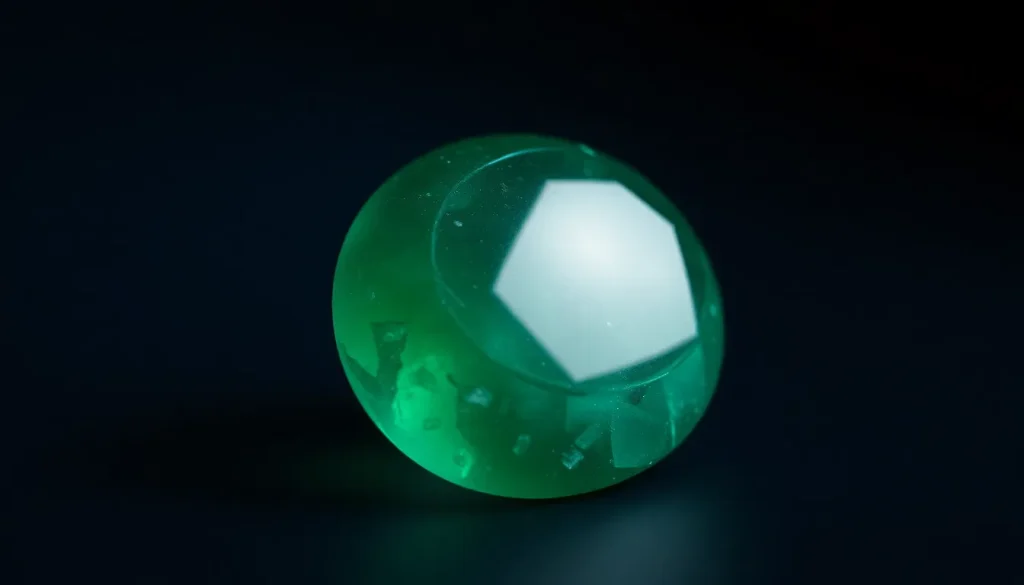
Dioptase is a vivid green copper cyclosilicate prized for its intense emerald‑like hue and rarity as a faceted gemstone. Its name derives from the Greek “dioptos,” meaning “to see through,” reflecting its high transparency. The stone is valued by collectors, jewelers, and those interested in its traditional symbolic meanings.
History and Origin
First described in 1813 by mineralogist René Just Haüy, dioptase was initially found in the copper‑rich deposits of the Democratic Republic of Congo (then Belgian Congo). The mineral’s striking color quickly attracted attention from mineral collectors and early gem cutters. Small deposits have also been reported from Zambia, Namibia, Kazakhstan, and Russia.
Meaning and Symbolism
In traditional lore, dioptase is associated with love, compassion, and the heart’s energy. Its vivid green is thought to symbolize renewal, growth, and the deepening of emotional bonds. The stone is occasionally given as a token of affection or used in rituals intended to open the heart.
Healing and Metaphysical Properties
Crystal‑healing practitioners claim that dioptase can amplify the heart chakra, promote emotional balance, and assist in forgiveness. It is said to help release old emotional patterns, encourage generosity, and support the body’s natural detoxification processes. These beliefs are not medically verified and should not replace professional health care.
Varieties and Types
- Emerald‑Green Dioptase – The most common and sought‑after color, ranging from bright emerald to deep forest green.
- Blue‑Green Dioptase – Exhibits a subtle turquoise tint, often found in specimens from Namibia.
- Crystallized Specimens – Well‑formed, uncut crystals prized by collectors for their hexagonal habit and vivid color.
Jewelry Uses and Care
Because dioptase rates 5 on the Mohs scale, it is considered relatively soft for everyday wear. It is most often used in pendants, earrings, and cocktail rings where the stone can be set in protective settings. The gemstone is typically cut in cabochon or freeform styles to minimize the risk of fracture.
Care recommendations:
- Clean with lukewarm water, mild soap, and a soft brush; avoid ultrasonic cleaners.
- Store separately from harder gemstones to prevent scratches.
- Protect from prolonged exposure to chemicals, heat, and direct sunlight.
Buying Guide
When selecting dioptase, consider the following factors:
- Color intensity – Deep, saturated green is most valuable.
- Clarity – Inclusions are common; a clean, well‑outlined stone is preferred.
- Cut – Cabochons preserve the stone’s color and reduce breakage risk.
- Origin – Specimens from the Congo are traditionally regarded as the highest quality.
- Treatment disclosure – Authentic dioptase is rarely treated, but some stones may be stabilized; request certification from a reputable gemological laboratory.
FAQ
What is dioptase good for?
Dioptase is prized for its vivid green color in jewelry and collectors’ pieces; traditionally it is believed to promote love, emotional healing, and heart‑chakra balance.
Is dioptase rare?
High‑quality, deep‑green dioptase is relatively rare due to limited deposits and its moderate hardness, which makes large, flawless stones uncommon.
How can you tell if dioptase is real?
Authentic dioptase exhibits a distinctive emerald‑green hue, a vitreous luster, and a refractive index of 1.652–1.679. Professional testing, such as a gemological lab report, is recommended for certainty.
What chakra is dioptase associated with?
In crystal‑healing traditions, dioptase is linked to the Heart (Anahata) chakra, supporting emotional openness and compassion.
How should you clean dioptase?
Clean dioptase gently with lukewarm water, mild soap, and a soft brush; avoid ultrasonic cleaners and harsh chemicals, and store it separately from harder gemstones.
Leave a Reply