
Short Answer
Overview
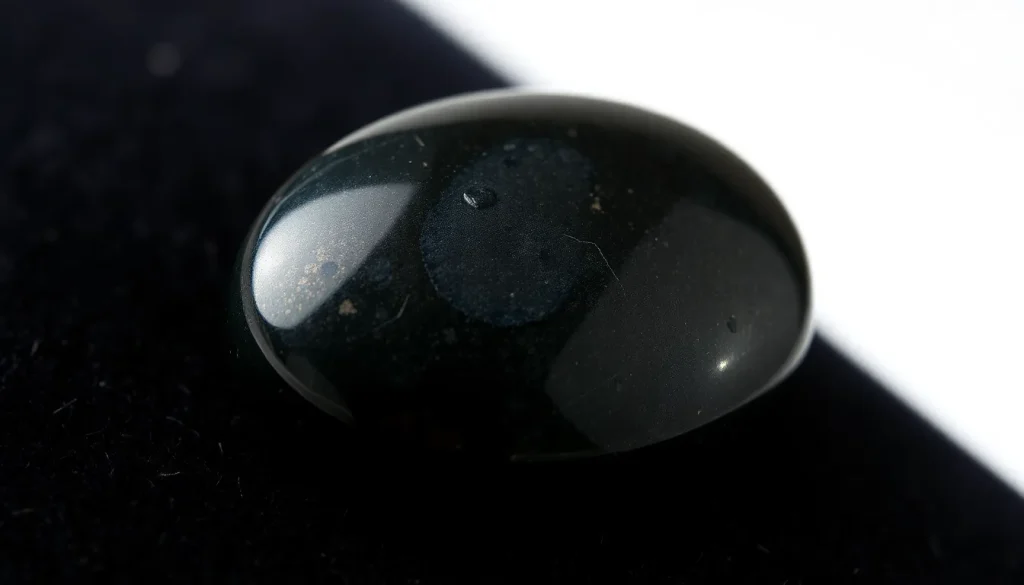
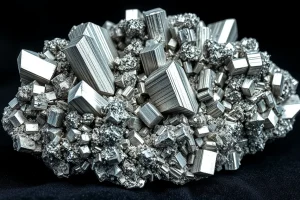
Chromite is an opaque, metallic mineral belonging to the spinel group. Its chemical composition is (Fe,Mg)Cr2O4, giving it a characteristic black to dark‑brown appearance with a sub‑metallic to metallic luster. Although primarily known as the principal ore of chromium, high‑quality chromite crystals are occasionally cut for ornamental purposes and incorporated into high‑end jewelry.
History and Origin
The name “chromite” derives from the Greek word chrōma, meaning colour, because the mineral yields the vivid green pigment chrome when processed. Historically, chromite deposits were first documented in the 18th century in the Ural Mountains of Russia. By the late 19th century, large chromite mines were established in South Africa’s Bushveld Complex, which remains the world’s largest source. Small, well‑crystallized specimens have also been found in the Lake Superior region of the United States, the Kola Peninsula of Russia, and the Western Ghats of India.
Meaning and Symbolism
In traditional gemstone lore, chromite is associated with grounding, protection, and inner strength. Its deep black colour is thought to absorb negative energy, providing a sense of stability and resilience. Some cultures view it as a stone that supports decision‑making and enhances personal confidence.
Healing and Metaphysical Properties
Crystal‑healing practitioners attribute the following properties to chromite:
- Grounding: Believed to anchor the wearer to the Earth, helping to release anxiety and promote calm.
- Protection: Said to create a protective shield against psychic attacks and environmental stressors.
- Strengthening: Thought to bolster physical stamina and support the immune system, though these claims are not medically verified.
These beliefs are part of traditional metaphysical systems and should not replace professional medical advice.
Varieties and Types
Chromite occurs in several compositional varieties, distinguished mainly by the iron‑to‑magnesium ratio:
| Variety | Typical Composition | Colour Notes |
|---|---|---|
| Magnesiochromite | (Mg)Cr2O4 | Often slightly greener black |
| Ferrochromite | (Fe)Cr2O4 | Deeper black, higher density |
| Mixed Fe‑Mg chromite | (Fe,Mg)Cr2O4 | Standard black to dark brown |
Well‑formed octahedral crystals are most valued for cutting, while massive granular material is primarily used for industrial extraction.
Jewelry Uses and Care
When cut as cabochons or polished beads, chromite offers a dramatic, reflective black surface that pairs well with diamonds, white gold, and other light‑coloured gems. Because its hardness ranges from 5.5 to 6.5 on the Mohs scale, it is suitable for pendants, earrings, and rings that are not subject to heavy impact.
Care recommendations:
- Clean with a soft, lint‑free cloth; avoid abrasive cleaners.
- Use mild soap and lukewarm water for deeper cleaning; do not soak for extended periods.
- Avoid exposure to strong acids, chlorides, or prolonged sunlight, which can affect surface polish.
- Store separately from softer gems to prevent scratches.
Buying Guide
When purchasing chromite jewelry or loose stones, consider the following factors:
- Clarity and surface finish: Look for a uniform metallic sheen without heavy inclusions that could weaken the stone.
- Color consistency: Authentic chromite displays a deep, even black or dark brown; overly bright or uniformly glossy surfaces may indicate a synthetic coating.
- Cut quality: Well‑cut octahedral or cabochon shapes reveal the stone’s natural luster.
- Certification: Request a gem‑ological report from a recognized laboratory (e.g., GIA, IGI) when buying high‑value pieces.
- Origin disclosure: Reputable dealers will provide information on the mining locality, which can affect both ethical considerations and rarity.
Because chromite is also an industrial ore, ensure that the piece you are purchasing is intended for jewelry and not a treated industrial specimen.
FAQ
What is chromite good for?
Chromite is valued for its metallic black appearance in jewelry, as an industrial source of chromium, and in crystal‑healing circles for grounding and protection.
Is chromite rare?
High‑quality, well‑crystallized chromite suitable for jewelry is relatively uncommon, though the mineral itself is abundant as an ore. Rarity depends on crystal size, clarity, and locality.
How can you tell if chromite is real?
Real chromite feels heavy, has a metallic luster, and is opaque. A simple hardness test (scratch with a steel file) and checking for a dark brown streak can help, but professional gem‑lab verification is recommended for valuable pieces.
What chakra is chromite associated with?
Traditional crystal‑healing sources link chromite to the Root (Muladhara) chakra, supporting grounding and stability.
How should you clean chromite?
Use a soft cloth and mild soap with lukewarm water. Avoid ultrasonic cleaners, harsh chemicals, or prolonged exposure to acids. Store separately from softer gems to prevent scratches.
Leave a Reply