
Short Answer
Overview
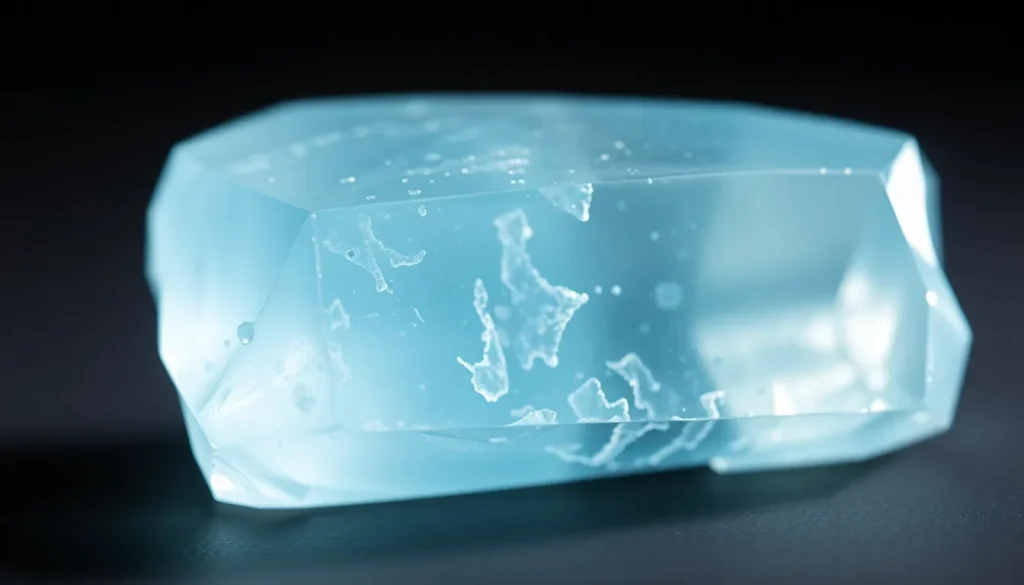
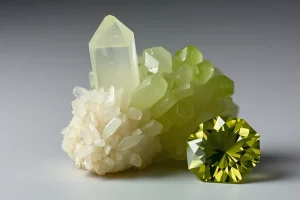
Carletonite is a rare, pale‑blue to greenish‑blue silicate mineral that is occasionally cut as a gemstone. Its delicate hue, vitreous luster, and typically well‑formed tabular crystals give it a distinctive appearance prized by collectors and designers seeking subtle colour. Because it is relatively soft compared with many traditional gemstones, Carletonite is most often found in pendants, earrings, and low‑impact rings.
History and Origin
The mineral was first identified in the early 1970s at the Carleton Mine in New Brunswick, Canada, from which it derives its name. Specimens were initially studied by mineralogists for their unusual crystal chemistry and later recognised for their aesthetic potential. Since its discovery, only a handful of localities have yielded gem‑quality material, making Carletonite a true collector’s item.
Meaning and Symbolism
In traditional gemstone lore, Carletonite is associated with calm communication and clarity of thought. Its gentle blue tone is said to evoke the serene qualities of water, encouraging emotional balance and honest self‑expression. Because of its rarity, the stone is also linked to uniqueness and personal authenticity.
Healing and Metaphysical Properties
Crystal‑healing practitioners attribute Carletonite with the ability to soothe nervous tension and to support clear, compassionate communication. It is believed to assist in expressing truth without aggression and to aid in the release of emotional blockages. These properties are considered symbolic and are not intended as medical advice.
Varieties and Types
Carletonite does not have widely recognised varietal names. The most common distinction is based on colour intensity, ranging from very pale sky‑blue to a deeper teal when trace amounts of iron are present. Some specimens exhibit slight iridescence due to thin‑film interference on crystal faces.
Jewelry Uses and Care
Given its Mohs hardness of roughly 5–6, Carletonite is best suited for jewelry that experiences minimal impact, such as pendants, earrings, and brooches. It can be cut in cabochon, free‑form, or faceted styles, though the latter requires careful handling to avoid chipping.
Care recommendations:
- Clean with warm, soapy water and a soft brush; avoid ultrasonic cleaners.
- Store separately from harder gemstones to prevent scratches.
- Protect from prolonged exposure to harsh chemicals or extreme heat.
- If the stone has been treated (e.g., heat‑stabilised), follow any specific care instructions provided by the jeweller.
Buying Guide
When purchasing Carletonite, consider the following factors:
- Colour and Transparency: Look for a uniform, gentle blue without cloudiness. Transparent to translucent stones are usually more valuable.
- Cut Quality: Well‑executed cuts showcase the stone’s natural crystal habit and minimise stress points.
- Origin Documentation: Reputable dealers will provide provenance, especially since Carletonite is sourced from a limited number of locations.
- Treatment Disclosure: Ask whether the stone has undergone any stabilisation or enhancement processes.
- Certification: While formal gem‑ological certificates are rare for Carletonite, an independent gem‑lab report can confirm identity and detect imitations.
Because Carletonite is uncommon, prices can vary widely. Expect higher costs for larger, clear, and untreated specimens.
FAQ
What is Carletonite good for?
Carletonite is valued for its delicate blue colour in jewelry and is traditionally believed to promote calm communication and emotional balance. It is not a substitute for medical treatment.
Is Carletonite rare?
Yes. Carletonite is considered rare because gem‑quality material is only found in a few locations, most notably the Carleton Mine in Canada, and large, clear stones are scarce.
How can you tell if Carletonite is real?
Real Carletonite typically shows a uniform pale blue hue, perfect basal cleavage, and a vitreous luster. A professional gem‑lab test (e.g., Raman spectroscopy) can confirm its identity and detect any imitations.
What chakra is Carletonite associated with?
In crystal‑healing traditions Carletonite is linked to the Throat (Vishuddhi) chakra, supporting clear expression and honest communication.
How should you clean Carletonite?
Clean Carletonite with warm soapy water and a soft brush. Avoid ultrasonic cleaners, harsh chemicals, and high‑impact activities that could chip the relatively soft stone.
Leave a Reply