
Short Answer
Overview
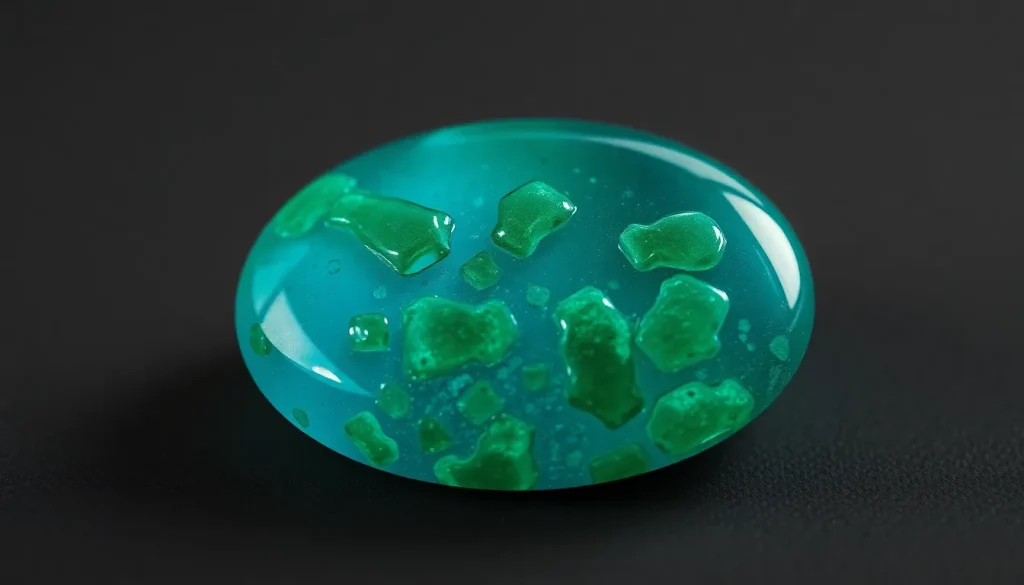
Chlorastrolite is a varietal form of the mineral pumpellyite, belonging to the sorosilicate group. It displays a characteristic green to bluish‑green color with a silky to vitreous luster and a unique tadpole‑shaped pattern that resembles moss or sea‑weed fronds. The stone is typically found in massive, granular aggregates rather than well‑formed crystals, making it a popular ornamental and cabochon material.
History and Origin
The name chlorastrolite derives from the Greek words chloros (green) and astrolithos (star‑stone), referencing its star‑like inclusions. Historically, the mineral was first described from specimens collected in the Upper Peninsula of Michigan, USA, where it is the official state gem and is commonly called “Lakeshore stone” or “Mackinac stone.” Similar material has also been reported from Arizona, USA, and from the Canadian province of Ontario, where it is sometimes marketed as “Arizona turquoise.”
Meaning and Symbolism
In traditional gemstone lore, chlorastrolite is associated with growth, renewal, and the soothing energies of water. The stone’s green hue is linked to the heart and to the natural world, symbolizing compassion, balance, and emotional healing. Its distinctive patterns are thought to represent the interconnectedness of life.
Healing and Metaphysical Properties
Crystal‑healing practitioners attribute the following properties to chlorastrolite, based on long‑standing belief systems rather than scientific evidence:
- Emotional balance: Said to calm anxiety and promote inner peace.
- Heart chakra support: Believed to open and strengthen the heart center, encouraging love and empathy.
- Physical wellness: Traditionally thought to aid the respiratory system and assist in detoxification.
These claims are not medical advice; individuals should consult qualified health professionals for any medical concerns.
Varieties and Types
While the term chlorastrolite generally refers to the green‑blue variety of pumpellyite, several related forms exist:
- Lakeshore stone: The classic Michigan specimen with fine, moss‑like inclusions.
- Arizona turquoise: A similar material from Arizona that may display slightly more blue tones.
- Ontario chlorastrolite: Typically darker and may contain additional iron‑rich inclusions.
n
All varieties share the same basic chemistry but can differ in hue, pattern density, and clarity.
Jewelry Uses and Care
Because of its relatively low hardness (5.5–6 on the Mohs scale) and its tendency to fracture along perfect cleavage, chlorastrolite is best used in settings that protect the stone, such as bezel or pendant mounts. It is popular for:
- Cabochons in rings, pendants, and brooches.
- Inlay work for decorative objects and jewelry components.
- Collectible mineral specimens displayed in low‑light settings to highlight its unique pattern.
Cleaning should be gentle: use lukewarm water, mild soap, and a soft brush. Avoid ultrasonic cleaners, steam, or harsh chemicals, as they can damage the surface or exacerbate cleavage.
Buying Guide
When purchasing chlorastrolite, consider the following factors:
- Color and pattern: Look for a vivid, even green‑blue hue and clear, distinctive tadpole patterns.
- Clarity: Some translucency is acceptable, but excessive cloudiness may indicate poor quality.
- Cut and setting: Well‑crafted cabochons that protect the stone’s edges are preferable.
- Origin certification: Reputable dealers often provide provenance, especially for Michigan specimens.
- Treatment disclosure: Natural chlorastrolite is rarely treated, but any enhancement (e.g., dye) should be disclosed.
Because the market is niche, prices can vary widely. Obtain a written guarantee from a certified gemological laboratory if authenticity is a primary concern.
FAQ
What is chlorastrolite good for?
Chlorastrolite is valued for its ornamental use in jewelry, especially cabochons, and is traditionally believed to promote emotional balance and heart‑chakra healing.
Is chlorastrolite rare?
High‑quality, vivid specimens are relatively scarce, particularly those from Michigan’s Upper Peninsula, making fine material moderately rare compared with more common gemstones.
How can you tell if chlorastrolite is real?
Examine the stone for its characteristic tadpole patterns, green‑blue hue, and silky luster. A professional gemologist can confirm identity with refractive index, specific gravity, and spectroscopic analysis.
What chakra is chlorastrolite associated with?
Traditionally, chlorastrolite is linked to the Heart (Anahata) chakra in crystal‑healing belief systems.
How should you clean chlorastrolite?
Clean gently with lukewarm water, mild soap, and a soft brush. Avoid ultrasonic cleaners, steam, or harsh chemicals, and store the stone in a protective setting to prevent cleavage damage.
Leave a Reply