
Short Answer
Overview
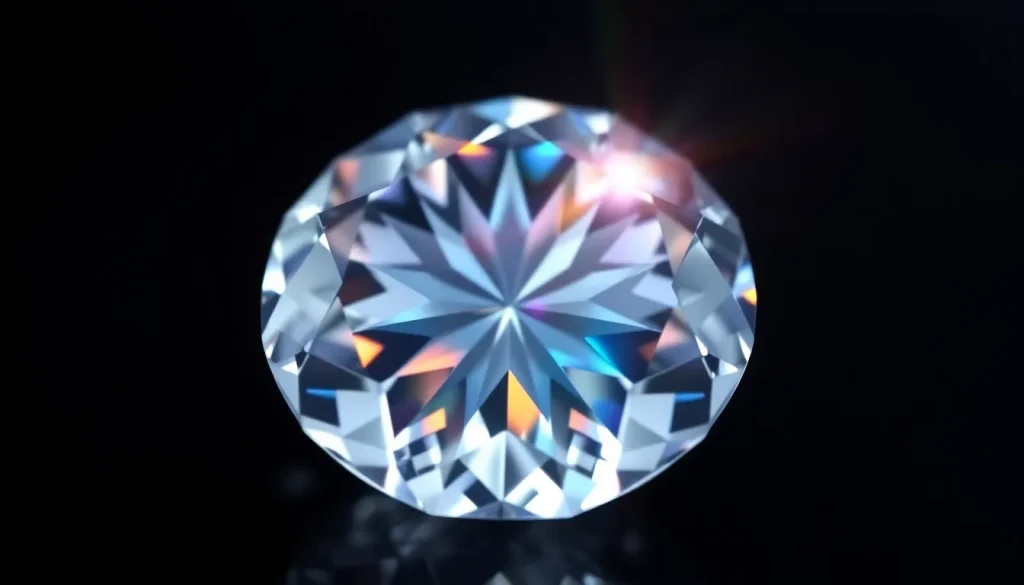
Moissanite is a silicon carbide (SiC) crystal celebrated for its exceptional brilliance and hardness. It exhibits a higher refractive index than diamond, producing vivid fire and sparkle. While natural moissanite is exceedingly rare, the gemstone most commonly found in jewelry is laboratory‑grown, offering an ethical and affordable alternative to diamond.
History and Origin
The mineral was first identified in 1893 by French chemist Henri Moissan while examining a meteorite fragment from Canyon Diablo in Arizona. Moissan initially mistook the crystals for diamonds, later recognizing them as a new mineral composed of silicon carbide. Natural occurrences are limited to a few meteorite impact sites and a handful of terrestrial locations in Siberia and Madagascar. Because of its scarcity, the modern gemstone market relies on synthetic production methods developed in the late 20th century, which replicate the crystal structure and optical qualities of the natural mineral.
Meaning and Symbolism
In contemporary jewelry culture, moissanite is associated with love, fidelity, and a modern approach to luxury. Its dazzling fire is often interpreted as a symbol of inner light and personal confidence. As a diamond simulant, it also represents practicality and value‑conscious decision‑making.
Healing and Metaphysical Properties
Traditional crystal‑healing beliefs attribute moissanite with the following properties:
- Emotional balance: thought to calm anxiety and promote inner peace.
- Energy amplification: believed to enhance the wearer’s personal power and intention.
- Chakra alignment: sometimes linked to the heart or throat chakras, though no single standard association exists.
These claims are not scientifically substantiated and should not replace professional medical advice.
Varieties and Types
Moissanite is primarily available in two forms:
- Natural moissanite: extremely rare, typically small, and found in meteorite impact deposits.
- Laboratory‑grown moissanite: produced by the Chemical Vapor Deposition (CVD) or High‑Temperature Sublimation (HTS) processes. These stones can be colorless or exhibit faint hues of yellow, green, or gray.
Cut styles mirror those of diamonds—round brilliant, princess, cushion, and oval—allowing moissanite to be set in traditional diamond settings.
Jewelry Uses and Care
Because moissanite ranks 9.25 on the Mohs hardness scale, it resists scratching and is suitable for daily‑wear pieces such as engagement rings, earrings, and pendants. Care recommendations include:
- Clean with warm, soapy water and a soft brush or a microfiber cloth.
- Avoid harsh chemicals (chlorine, bleach) that could affect any surface treatments.
- Use a mild ultrasonic cleaner only if the stone is set in a secure, metal‑only setting without delicate gemstones.
Moissanite does not require special storage; a separate soft pouch or jewelry box will protect it from accidental impact.
Buying Guide
When purchasing moissanite, consider the following factors:
- Certification: Look for gems graded by reputable laboratories such as the International Gemological Institute (IGI) or the Gemological Science International (GSI).
- Color grade: Colorless (D‑F) stones command higher prices; near‑colorless (G‑I) are common and still display strong fire.
- Cut quality: A well‑proportioned cut maximizes brilliance; request cut grades if available.
- Origin disclosure: Sellers should state whether the stone is lab‑grown or natural. Natural moissanite carries a premium due to its rarity.
- Setting material: Platinum or 18‑k gold settings complement moissanite’s high refractive index and protect against wear.
Finally, compare prices per carat with reputable retailers and verify return policies. Professional appraisal is advisable for high‑value pieces.
FAQ
What is moissanite good for?
Moissanite is prized for its high brilliance, durability, and affordability, making it ideal for engagement rings and everyday jewelry. Traditional beliefs also associate it with emotional balance and confidence, though these are not scientifically proven.
Is moissanite rare?
Natural moissanite is extremely rare, found only in a few meteorite and terrestrial deposits. The moissanite sold in most jewelry is laboratory‑grown, which is abundant and consistently high quality.
How can you tell if moissanite is real?
Real moissanite can be distinguished by its double‑fire (two flashes of colored light) and a higher refractive index than diamond. Professional gemologists use a loupe, refractometer, and spectroscope, or send the stone to a certified lab for verification.
What chakra is moissanite associated with?
In crystal‑healing traditions, moissanite is sometimes linked to the heart or throat chakras, but there is no single standard chakra association.
How should you clean moissanite?
Clean moissanite with warm, mild soap and a soft brush or a microfiber cloth. For deeper cleaning, use a gentle ultrasonic cleaner if the setting contains only metal. Avoid harsh chemicals and extreme temperature changes.
Leave a Reply