
Short Answer
Overview
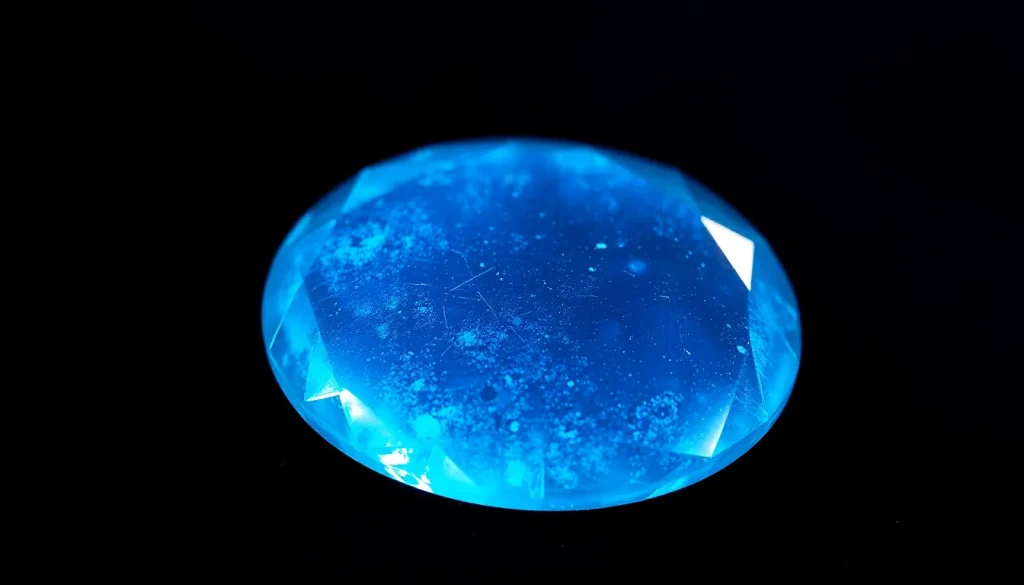
Paraíba tourmaline is a highly prized variety of the tourmaline group, distinguished by its bright neon‑blue to turquoise coloration caused by trace copper and manganese. It belongs to the cyclosilicate family and typically forms elongated, prismatic crystals or well‑cut cabochons. Because of its intense hue and limited high‑quality sources, Paraíba is among the most valuable colored gemstones.
History and Origin
The first commercially significant Paraíba stones were discovered in 1987 in the Brazilian state of Paraíba, near the town of Patos. The copper‑rich deposits produced a spectrum of electric blues that quickly captured the attention of collectors and designers. Subsequent mining has been reported in Nigeria, Mozambique, Madagascar, Afghanistan, and a small deposit in California, USA. While the Brazilian source remains the most celebrated, newer localities have expanded the market, though many newer stones are treated to enhance color.
Meaning and Symbolism
Traditionally, Paraíba is associated with communication, clarity, and inspiration. Its vivid hue is thought to stimulate creativity and encourage honest self‑expression. In contemporary jewelry, the stone is often chosen to symbolize uniqueness, confidence, and a forward‑looking spirit.
Healing and Metaphysical Properties
In crystal‑healing circles, Paraíba is believed to amplify the throat chakra, supporting clear speech and the ability to articulate truth. Practitioners claim it can raise vibrational energy, promote emotional balance, and assist in manifesting goals. These attributes are considered spiritual or symbolic and are not medical advice.
Varieties and Types
All Paraíba stones belong to the tourmaline group, but color variations exist:
- Electric Blue: The most sought‑after shade, deep and luminous.
- Turquoise‑Green: Often displays a greenish tint when copper concentration is lower.
- Neon Green: Rare, resulting from higher manganese content.
Some stones are natural, while others undergo heat or ion‑exchange treatments to intensify or modify color. Untreated, naturally occurring Paraíba remains the most valuable.
Jewelry Uses and Care
Because of its hardness (7–7.5 on the Mohs scale) and vitreous luster, Paraíba is suitable for rings, earrings, pendants, and high‑end watches. However, its relatively high cleavage resistance does not mean it is immune to damage. Care recommendations include:
- Avoid prolonged exposure to direct sunlight, which can fade some treated stones.
- Clean with warm, soapy water and a soft brush; avoid ultrasonic cleaners if the stone is known to be treated.
- Store separately from softer gems to prevent scratching.
- Remove jewelry before applying chemicals, lotions, or perfumes.
Buying Guide
When purchasing Paraíba, consider the following factors:
- Color Saturation: Look for a uniform, vivid hue without gray or brown overtones.
- Clarity: Inclusions are common; minor feathering is acceptable if it does not detract from brilliance.
- Treatment Disclosure: Reputable dealers will state whether the stone is natural or treated.
- Certification: A GIA or IGI report confirming origin, treatment status, and carat weight adds confidence.
- Cut: Well‑cut stones display maximum color intensity and sparkle.
Because demand exceeds supply, prices can vary dramatically. Investing in a certified, natural Paraíba from a known source is advisable for collectors.
FAQ
What is Paraíba good for?
Paraíba is prized for its striking electric color in fine jewelry, and traditionally it is believed to aid clear communication and creative inspiration.
Is Paraíba rare?
High‑quality natural Paraíba is rare due to limited copper‑rich deposits and strict color standards; treated stones are more common but less valuable.
How can you tell if Paraíba is real?
Authentic Paraíba shows a uniform neon hue, has a GIA/IGI certificate, and exhibits characteristic fluorescence under UV light. Professional gemological testing is recommended for certainty.
What chakra is Paraíba associated with?
In crystal‑healing traditions, Paraíba is linked to the Throat chakra, supporting honest expression and vocal confidence.
How should you clean Paraíba?
Clean with warm, mildly soapy water and a soft brush; avoid ultrasonic cleaners if the stone is treated, and keep it away from harsh chemicals and prolonged sunlight.
Leave a Reply