
Short Answer
Overview
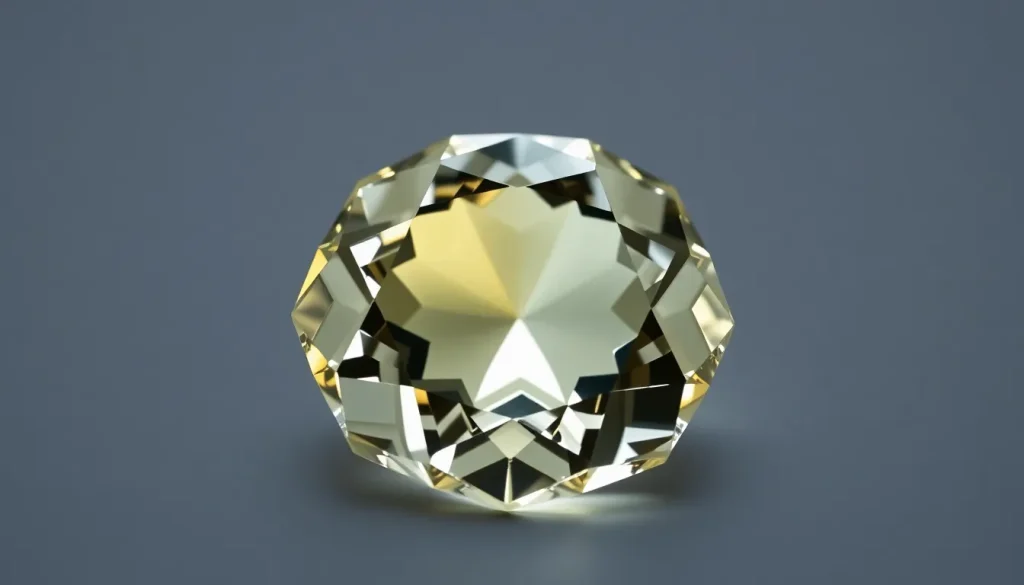
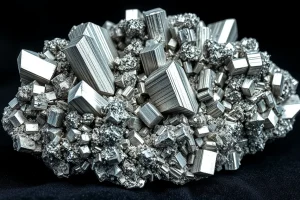
Celsian is a barium‑rich member of the feldspar group, with the chemical formula BaAl2Si2O8. It typically occurs as colourless, pale yellow, pink, or light brown crystals and is valued both by mineral collectors and, on occasion, in fine jewellery. Its monoclinic crystal structure, moderate hardness, and vitreous luster give it a distinctive appearance that can be faceted into attractive gemstones.
History and Origin
The mineral was first described in 1817 by German mineralogist Wilhelm von Haidinger and named after the Czech chemist Friedrich Cels. Natural occurrences are reported from granitic pegmatites and alkali‑rich volcanic rocks where barium substitutes for potassium in the feldspar lattice. Historically, celsian was of interest mainly to scientists studying feldspar chemistry; only in recent decades has it attracted attention from the gem trade because of its clarity and subtle colour range.
Meaning and Symbolism
In traditional gemstone lore, celsian is associated with clarity of thought and personal insight. Its colourless to pale tones are said to reflect purity and a gentle inner light. Some cultures view the stone as a symbol of perseverance, believing it encourages the wearer to stay focused on long‑term goals while maintaining emotional balance.
Healing and Metaphysical Properties
Crystal‑healing practitioners attribute celsian with the ability to enhance mental concentration and aid in the release of old emotional patterns. It is thought to support the throat and third‑eye chakras, promoting clear communication and intuitive perception. These beliefs are part of traditional metaphysical systems and are not intended as medical advice.
Varieties and Types
Celsian is most commonly found in two visual varieties:
- Colourless (or “white”) celsian: Highly transparent, often used for faceting when clarity is excellent.
- Pale yellow to pink celsian: Displays a soft, warm hue that can be enhanced by cutting.
Occasionally, trace amounts of iron or titanium create faint blue‑green shades, but these are rare. The mineral may also appear in massive, granular forms that are of interest mainly to collectors rather than jewellery makers.
Jewelry Uses and Care
Because of its hardness of 6–6.5 on the Mohs scale, celsian can be set in rings, pendants, earrings, and brooches, though designers often favour protective settings such as bezel or channel to guard against chips along the perfect cleavage planes. The stone’s vitreous luster responds well to polishing, giving a bright, glass‑like finish.
Cleaning: Use a soft, lint‑free cloth and warm, mildly soapy water. Avoid ultrasonic cleaners if the piece contains untreated celsian, as vibration can exacerbate cleavage. For heavily soiled items, a gentle brush with a soft bristle can be employed.
Storage: Keep celsian separate from harder gemstones (e.g., quartz, topaz) and from those with a higher risk of scratching (e.g., diamonds). A padded jewelry box or a soft fabric pouch is ideal.
Buying Guide
When purchasing celsian, consider the following factors:
- Clarity: Look for specimens with minimal inclusions, as internal flaws can weaken the stone along its cleavage.
- Cut: Well‑cut facets that respect the crystal’s natural geometry reduce the risk of chipping.
- Colour: Colourless stones command higher prices for their rarity, while pale yellow or pink stones are more common and affordable.
- Treatment Disclosure: Some celsian may be heat‑treated to enhance colour; reputable dealers should disclose any treatments.
- Certification: For high‑value pieces, request a gemological report from an accredited laboratory (e.g., GIA, IGI) that confirms identity and any treatments.
Because celsian is less common in the commercial market than other feldspars, sourcing from established dealers with transparent provenance is advisable.
FAQ
What is celsian good for?
Celsian is valued for its clear to pale coloration and vitreous luster, making it suitable for fine jewellery and collector pieces. Traditionally, it is believed to promote mental clarity and emotional balance, but these are spiritual concepts, not medical facts.
Is celsian rare?
High‑quality, colourless celsian is relatively rare, while pale yellow or pink varieties are more common. Rarity depends on clarity, color, and whether the stone is untreated. Major deposits exist but are limited compared with more common feldspars.
How can you tell if celsian is real?
Real celsian has a Mohs hardness of 6–6.5, a vitreous luster, and perfect cleavage at 90°. Under magnification, its refractive indices fall within 1.562–1.571. For certainty, have the stone examined by a qualified gemologist and request a laboratory report.
What chakra is celsian associated with?
In crystal‑healing traditions, celsian is sometimes linked to the throat and third‑eye chakras, supporting clear communication and intuition. These associations are based on belief systems, not scientific evidence.
How should you clean celsian?
Clean celsian with warm soapy water and a soft cloth. Avoid ultrasonic cleaners and harsh chemicals, as the stone’s perfect cleavage can be vulnerable. Store it separately from harder gemstones to prevent scratching.
Leave a Reply