
Short Answer
Overview
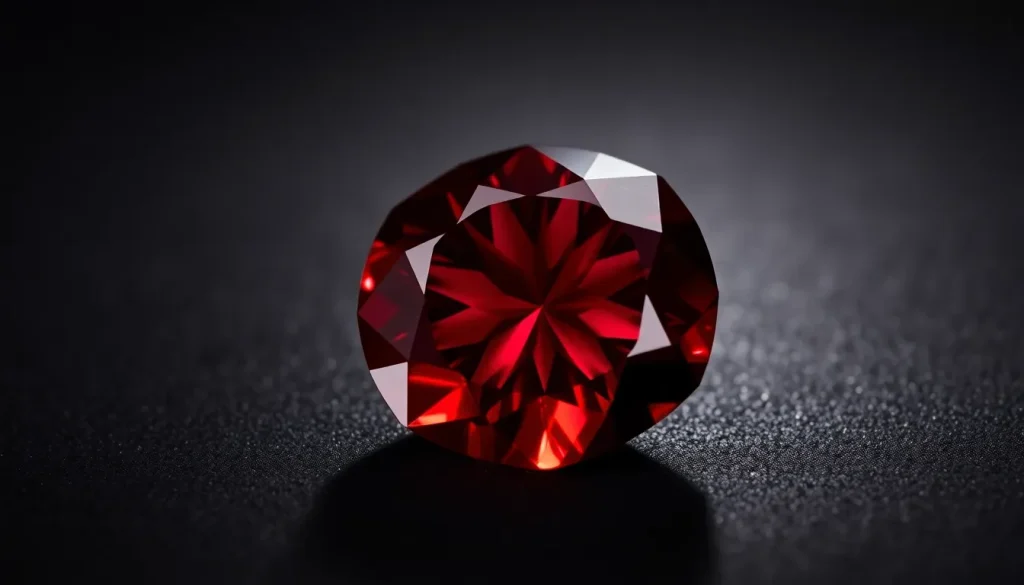
Almandine‑pyrope is a member of the garnet group, representing the iron‑rich (almandine) to magnesium‑rich (pyrope) end‑member solid‑solution series. It typically appears in deep red to reddish‑brown hues and is valued for its high hardness and strong refractive fire, making it a favored gemstone in rings, pendants, and high‑end designs.
History and Origin
The garnet family has been known since antiquity, but the specific almandine‑pyrope series was identified by mineralogists in the 19th century through chemical analysis. Natural deposits occur in metamorphic rocks such as schist and marble, where the iron and magnesium content varies, producing the characteristic color gradient.
Meaning and Symbolism
Traditionally, almandine‑pyrope is associated with vitality, courage, and grounding. It is said to inspire confidence and protect the wearer from negative influences. In many cultures it symbolizes love and loyalty, often given as a token of commitment.
Healing and Metaphysical Properties
In crystal‑healing belief systems, almandine‑pyrope is thought to balance the root chakra, enhancing physical stamina and emotional stability. Practitioners claim it can aid circulation, boost the immune system, and help release past emotional wounds. These claims are not scientifically verified and should not replace medical treatment.
Varieties and Types
- Almandine‑rich: Deep ruby‑red, high iron content, often used in bold jewelry.
- Pyrope‑rich: Slightly lighter, more purplish‑red, higher magnesium content.
- Mixed‑composition: Most commercial stones fall between the two end‑members, displaying a range of red tones.
Jewelry Uses and Care
Because of its hardness (6.5–7.5 on the Mohs scale) and good cleavage resistance, almandine‑pyrope is suitable for all types of jewelry, including rings that endure daily wear. Care recommendations:
- Clean with warm, soapy water and a soft brush; avoid harsh chemicals.
- Dry with a lint‑free cloth; store separately from softer stones.
- If the stone has been heat‑treated, limit exposure to sudden temperature changes.
Buying Guide
When selecting almandine‑pyrope, consider the following factors:
- Color: Uniform, saturated red without brown or gray overtones is most prized.
- Clarity: Inclusions are common but should not cloud the stone.
- Cut: Well‑proportioned facets maximize brilliance.
- Treatment: Most market stones are untreated; request certification if heat‑treatment is claimed.
- Certification: Reputable laboratories (e.g., GIA, IGI) provide reports that confirm identity and any treatments.
FAQ
What is almandine‑pyrope good for?
Almandine‑pyrope is prized for jewelry because of its rich red color, durability, and brilliance. Traditionally it is believed to promote courage, grounding, and emotional balance, though these effects are not scientifically proven.
Is almandine‑pyrope rare?
High‑quality, uniformly saturated red almandine‑pyrope is less common than lower‑grade material, but the mineral itself is relatively abundant in metamorphic deposits worldwide.
How can you tell if almandine‑pyrope is real?
Real almandine‑pyrope feels heavy for its size, displays a high refractive index, and has no bubbles or glassy seams. Professional testing with a refractometer, specific gravity measurement, or spectroscopic analysis confirms authenticity.
What chakra is almandine‑pyrope associated with?
In crystal‑healing traditions almandine‑pyrope is linked to the Root (Muladhara) chakra, supporting grounding and physical vitality.
How should you clean almandine‑pyrope?
Clean gently with warm soapy water and a soft brush, rinse thoroughly, and dry with a lint‑free cloth. Avoid ultrasonic cleaners if the stone has been heat‑treated, and keep it away from harsh chemicals.
Leave a Reply