
Short Answer
Overview
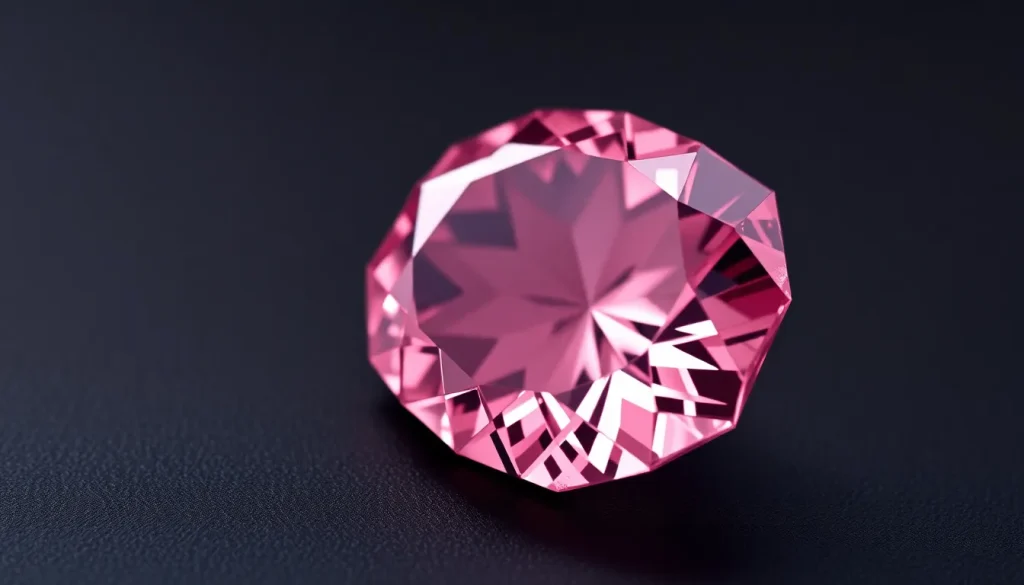
Topazolite is a pink to salmon‑colored variety of the mineral topaz (Al₂SiO₄(F,OH)₂). It is valued for its warm hue, high refractive index, and a Mohs hardness of 8, making it suitable for many types of jewelry. The stone is often found in Brazil, Russia, and a few other localities, and may be naturally pink or produced by heat treatment of colourless topaz.
History and Origin
The first documented occurrences of pink topaz, later marketed as topazolite, were recorded in the early 20th century from the Minas Gerais region of Brazil. Brazilian mines produced the most vivid salmon‑pink specimens, which quickly entered the international market. Similar pink stones have also been reported from the Ural Mountains of Russia, as well as from Pakistan and Nigeria, though these are less common.
Meaning and Symbolism
In traditional gemstone lore, topazolite is associated with love, affection, and emotional healing. Its gentle pink tone is thought to inspire compassion and strengthen bonds between friends and partners. The stone is also linked to confidence and personal empowerment, reflecting the broader symbolism of topaz as a gem of confidence and generosity.
Healing and Metaphysical Properties
Crystal‑healing practitioners attribute the following metaphysical qualities to topazolite:
- Emotional balance: Believed to soothe anxiety and promote inner calm.
- Heart chakra activation: Said to open the heart to love and forgiveness.
- Energy amplification: Considered a conduit for amplifying intentions and affirmations.
These claims are based on traditional beliefs and are not medical advice.
Varieties and Types
Topazolite is part of a broader family of pink topaz stones. Other related varieties include:
- Imperial Topaz – typically golden‑yellow to orange, sometimes heated to enhance colour.
- Colorless Topaz – the untreated form, which can be heat‑treated to produce pink hues.
- Australian Pink Topaz – a recent source of naturally pink topaz from Western Australia.
While topazolite is naturally pink in some specimens, most market‑available stones are the result of controlled heating processes that alter colour without affecting durability.
Jewelry Uses and Care
Because of its hardness (8 on the Mohs scale) and vitreous luster, topazolite is suitable for rings, pendants, earrings, and bracelets. However, its perfect basal cleavage means it can split if struck sharply. Care recommendations include:
- Clean with warm, soapy water and a soft brush; avoid harsh chemicals.
- Store separately from softer gems to prevent scratching.
- Remove before activities that could expose the stone to hard impacts.
- If the stone has been heat‑treated, avoid extreme temperature changes.
Buying Guide
When selecting topazolite, consider the following factors:
- Colour intensity: Deep, even pink hues are more valuable than pale or uneven tones.
- Clarity: Inclusions are common; eye‑clean stones command higher prices.
- Treatment disclosure: Reputable dealers will state whether the stone is natural or heat‑treated.
- Cut: Well‑proportioned cuts enhance brilliance and hide minor inclusions.
For significant purchases, request a laboratory report from a recognized gemological laboratory such as the GIA or IGI.
FAQ
What is topazolite good for?
Topazolite is prized for its attractive pink colour in jewelry and is traditionally believed to promote love, emotional balance, and confidence. These metaphysical claims are based on crystal‑healing traditions, not medical evidence.
Is topazolite rare?
High‑quality, naturally pink topazolite is relatively rare, especially specimens with deep, even colour and good clarity. Most market‑available pink topaz has been heat‑treated, which makes the stone more common but still valued for its beauty.
How can you tell if topazolite is real?
Professional identification includes checking hardness, refractive index, and specific gravity. A gemological laboratory report can confirm whether the stone is natural or heat‑treated and can detect any synthetic or glass imitations.
What chakra is topazolite associated with?
In crystal‑healing traditions, topazolite is linked to the Solar Plexus (Manipura) chakra, which is associated with personal power and confidence.
How should you clean topazolite?
Clean topazolite with warm, mildly soapy water and a soft brush. Avoid ultrasonic cleaners if the stone has been heavily treated, and keep it away from harsh chemicals and extreme temperature changes.
Leave a Reply