Short Answer
Overview
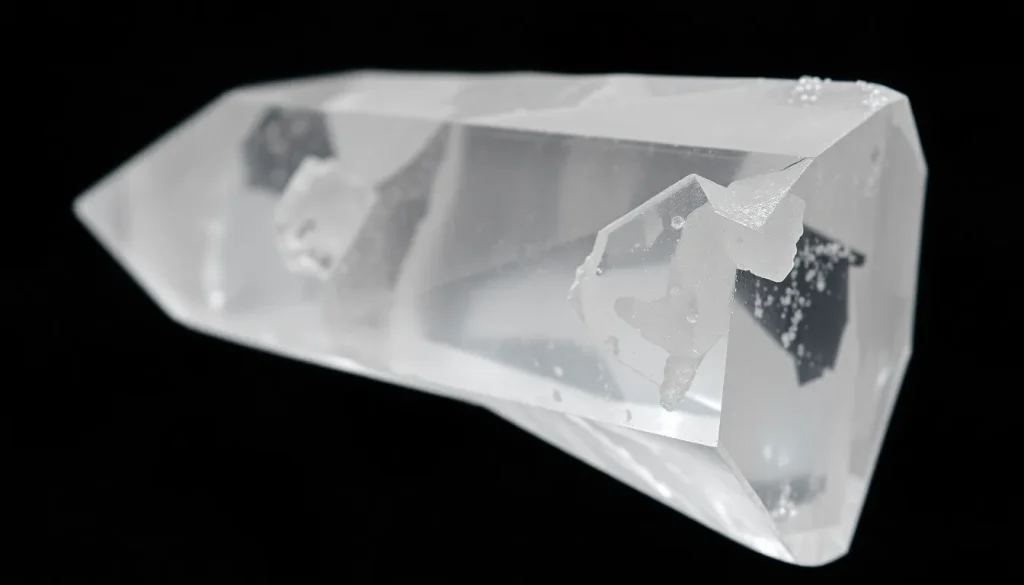
Rock crystal, also known as clear quartz, is the transparent, colorless variety of the mineral quartz (SiO₂). It forms hexagonal prisms with pointed terminations and can occur as massive, granular, or well‑formed single crystals. With a Mohs hardness of 7 and a vitreous luster, rock crystal is both durable and visually striking, making it a staple in jewelry, ornamental carving, and crystal‑healing traditions.
History and Origin
The use of clear quartz dates back to ancient civilizations. Archaeological evidence shows rock crystal was carved into beads and amulets in Mesopotamia, Egypt, and the Indus Valley. In medieval Europe, it was ground into lenses for early optics, while the Renaissance saw it fashioned into intricate cameos and rosaries. Modern mining concentrates in Brazil, Madagascar, the United States (especially Arkansas), Switzerland, and Russia, where large, well‑formed crystals are extracted from pegmatitic veins and hydrothermal veins.
Meaning and Symbolism
Across cultures, rock crystal has symbolized purity, clarity, and spiritual illumination. In classical mythology, it represented the “eye of the gods,” a window to higher realms. In contemporary gemstone lore, it is often associated with mental focus, honesty, and the amplification of intention. Its clear appearance makes it a popular metaphor for truth and unbiased perception.
Healing and Metaphysical Properties
Traditional crystal‑healing beliefs attribute a range of energetic qualities to rock crystal. Practitioners claim it can cleanse and amplify the energy of other stones, enhance mental clarity, and support meditation by aligning the Crown Chakra. Some also use it to promote emotional balance, relieve stress, and aid in the manifestation of goals. These claims are based on folklore and are not medical advice.
Varieties and Types
While “rock crystal” denotes the pure, colorless form, several related varieties exist:
- Milky Quartz – contains microscopic inclusions that give a white, opalescent appearance.
- Smoke Quartz – natural irradiation creates a brown to gray coloration.
- Rose Quartz – contains trace titanium, giving a pink hue.
- Rutilated Quartz – features needle‑like inclusions of rutile, appearing as golden threads.
Each variety retains the same fundamental chemical composition (SiO₂) but differs in trace impurities or structural defects that affect color.
Jewelry Uses and Care
Rock crystal is cut into facets, cabochons, beads, and carved elements. Its clarity makes it suitable for high‑shine faceting, while its hardness allows it to be set in most metal alloys without excessive risk of scratching. However, quartz can fracture along its conchoidal fracture pattern if struck sharply.
Care recommendations:
- Clean with warm, soapy water and a soft brush; avoid abrasive powders.
- For deeper cleaning, use a mild ultrasonic bath for no more than 30 seconds.
- Avoid prolonged exposure to high heat or sudden temperature changes, which can cause thermal shock.
- Store separately from softer gems (e.g., pearls, opal) to prevent scratching.
Buying Guide
When selecting rock crystal, consider the following factors:
- Clarity – Inclusions such as cloudiness or fracture lines reduce value.
- Cut – Well‑proportioned facets or a smooth cabochon enhance brilliance.
- Origin – Specimens from renowned localities (e.g., Brazil, Madagascar) often command higher prices.
- Treatment – Natural rock crystal is untreated; be wary of artificial clarity enhancements.
- Certification – For high‑value pieces, request a gemological report from a reputable laboratory.
n
Prices vary widely, ranging from a few dollars per carat for rough material to several hundred dollars per carat for flawless, well‑cut gemstones with documented provenance.
FAQ
What is rock crystal good for?
Rock crystal is prized for its clarity and durability, making it ideal for faceted jewelry, carved ornaments, and as a neutral energy amplifier in traditional crystal‑healing practices.
Is rock crystal rare?
High‑quality, inclusion‑free rock crystal of significant size is less common than lower‑grade material, but the mineral itself is abundant worldwide, especially from Brazil and Madagascar.
How can you tell if rock crystal is real?
Real rock crystal feels heavy for its size, displays a vitreous luster, and scratches glass. A professional gemologist can confirm authenticity with refractive index measurement and microscopy.
What chakra is rock crystal associated with?
In traditional crystal‑healing belief, rock crystal is linked to the Crown Chakra, supporting spiritual connection and mental clarity.
How should you clean rock crystal?
Clean rock crystal with warm soapy water and a soft brush, or use a mild ultrasonic cleaner briefly. Avoid harsh chemicals, extreme heat, and sudden temperature changes.
Leave a Reply