
Short Answer
Overview
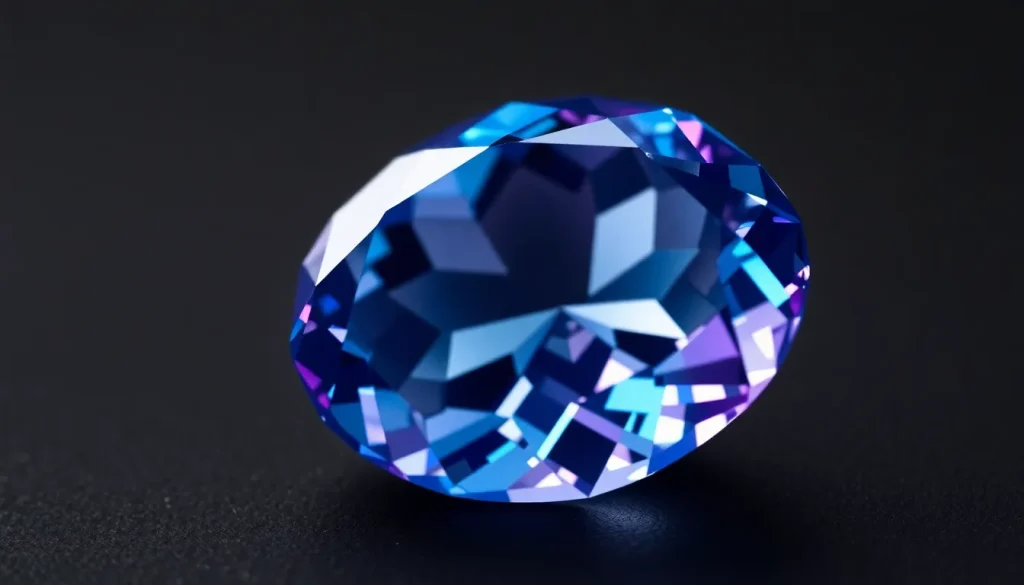
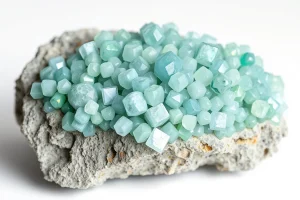
Tinzenite is a rare silicate mineral that is occasionally used as a gemstone. It typically occurs in prismatic crystals and can display a range of colors from pale hues to deep, saturated tones. Because of its limited availability and distinctive optical qualities, tinzenite is sought after by collectors and designers looking for unique jewelry pieces.
History and Origin
The mineral was first described in the early 20th century, though its exact type locality remains poorly documented. Specimens have been reported from a few metamorphic terrains where silicate minerals form under moderate to high pressure. The name “tinzenite” is derived from the locality where the type specimen was initially identified, but detailed historical records are scarce.
Meaning and Symbolism
In contemporary gemstone lore, tinzenite is associated with clarity of thought and inner vision. It is thought to encourage mental focus and help the wearer see through confusion. Symbolically, the stone is sometimes linked to journeys of self‑discovery and the unveiling of hidden potentials.
Healing and Metaphysical Properties
Traditional crystal‑healing beliefs attribute tinzenite with the ability to stimulate the third eye chakra, enhancing intuition and psychic perception. Practitioners claim it can aid meditation, promote mental balance, and support the processing of emotional patterns. These properties are regarded as spiritual rather than medical.
Varieties and Types
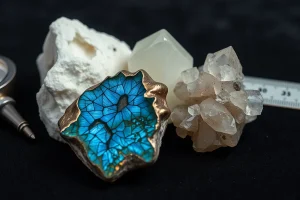
Because tinzenite is not widely mined, few distinct varieties are recognized. Color variations are the primary distinguishing factor, ranging from translucent white to deep blues and greens. Some specimens exhibit internal reflections that give a subtle iridescent effect, while others are more uniformly colored.
Jewelry Uses and Care
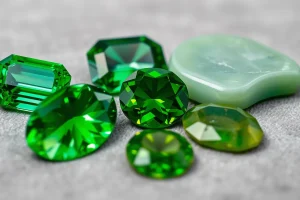
When cut as cabochons or faceted stones, tinzenite is used in rings, pendants, and earrings. Its Mohs hardness, typically around 6 to 6.5, makes it suitable for occasional wear but it should be protected from scratches and hard impacts. Cleaning should be done with warm, soapy water and a soft brush; ultrasonic cleaners are not recommended.
Buying Guide
Prospective buyers should request a gemological report that confirms the stone’s identity and any treatments. Natural tinzenite is usually sold in its untreated form; any enhancement such as heat or irradiation must be disclosed. Compare color, clarity, and cut quality, and purchase from reputable dealers who offer return policies.
FAQ
What is tinzenite good for?
Tinzenite is valued for its unique coloration and rarity in jewelry, and traditionally it is believed to support mental clarity and intuition.
Is tinzenite rare?
Yes, tinzenite is considered rare due to limited known localities and the small size of gem‑quality crystals that are available for cutting.
How can you tell if tinzenite is real?
Real tinzenite can be identified by its specific refractive index range, hardness, and crystal habit. Professional gemological testing, such as spectroscopy or a certified gemological report, provides definitive confirmation.
What chakra is tinzenite associated with?
Traditional crystal‑healing sources associate tinzenite with the Third Eye (Ajna) chakra, which is linked to intuition and inner vision.
How should you clean tinzenite?
Clean tinzenite with warm, soapy water and a soft brush. Avoid ultrasonic cleaners and harsh chemicals, and store the stone away from harder gemstones to prevent scratches.
Leave a Reply