
Short Answer
Overview
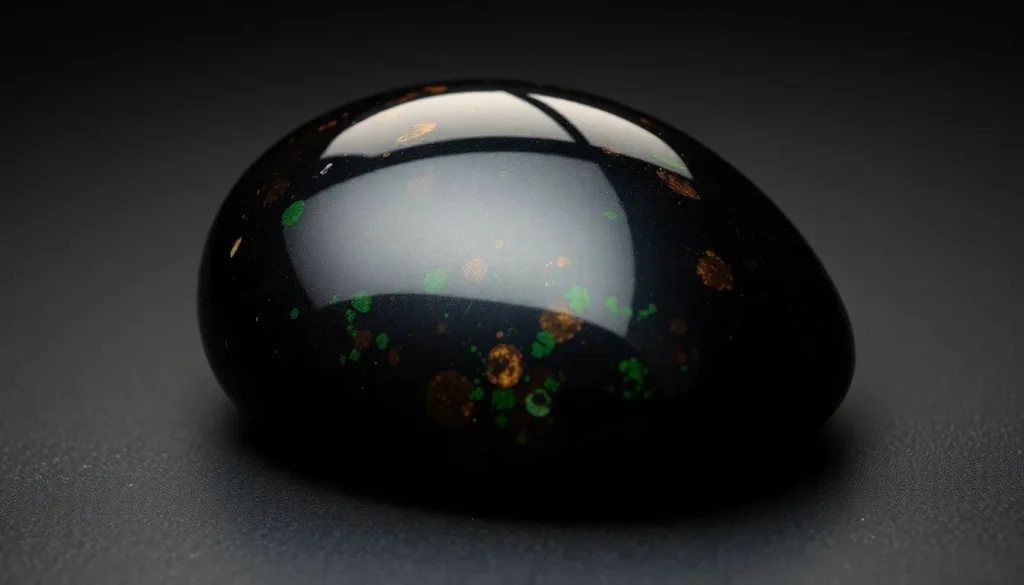
Tektites are natural glasses that result from the high‑temperature melting and rapid cooling of terrestrial material during a meteorite impact. The molten ejecta are thrown into the atmosphere, solidify while airborne, and fall back to Earth as small, glassy stones. Their colors range from deep black to brown, green, orange, and sometimes a mottled mix, giving each specimen a distinctive, often polished appearance.
History and Origin
The first scientific descriptions of tektites date to the 19th century, when researchers linked them to impact events after observing their distribution in strewn fields across continents. Major strewn fields include the Australasian (covering Australia, Indonesia, and the Philippines), the Central European (Czech Republic and Germany), the North American (USA), and the African (South Africa) fields. Their formation is now understood as a result of the extreme pressures and temperatures generated by a meteorite striking the Earth’s surface.
Meaning and Symbolism
In many cultures, tektites are seen as symbols of transformation and cosmic connection because they originate from the sky and embody the power of a celestial event. They are often given as gifts to mark significant life changes, representing the ability to endure intense forces and emerge with a new form.
Healing and Metaphysical Properties
Traditional crystal‑healing beliefs attribute grounding, protection, and a deepening of spiritual insight to tektites. Some practitioners claim they help users release old patterns, increase resilience, and enhance connection to ancestral energies. These claims are not medical facts and should not replace professional health advice.
Varieties and Types
Several named varieties reflect geographic origin or distinctive color:
- Moldavite – A vivid green tektite from the Czech Republic, prized for its rarity.
- Muong Nong – Large, often layered tektites from Indonesia, typically brown to black.
- Bediasite – Dark brown tektites from Texas, USA.
- Ivory Coast tektite – Light‑brown to orange specimens from West Africa.
- Hoba – The world’s largest known tektite, a massive black mass from Namibia.
Jewelry Uses and Care
Because of their glassy luster and relatively high hardness (5.5–6.5 on the Mohs scale), tektites are set in rings, pendants, earrings, and brooches. They are often polished to a high shine or left with a natural matte finish. Care tips include:
- Clean with warm, soapy water and a soft brush; avoid harsh chemicals.
- Store away from harder minerals to prevent scratches.
- Do not expose to sudden temperature changes, which can cause micro‑fractures.
Buying Guide
When purchasing tektites, consider the following:
- Origin – Authentic strewn‑field provenance adds value, especially for Moldavite and Muong Nong.
- Color and Clarity – Uniform color and minimal inclusions are desirable.
- Cut and Finish – Well‑polished pieces display the characteristic vitreous sheen.
- Certification – Reputable dealers provide documentation of locality and any treatments.
Because tektites are natural glass, they are not prone to enhancement, but some specimens may be artificially polished or heat‑treated to improve clarity. Always request a written guarantee of natural origin.
FAQ
What is tektite good for?
Tektites are used in jewelry for their unique glassy appearance and are traditionally believed to aid grounding, protection, and personal transformation. They have no proven medical benefits.
Is tektite rare?
The rarity of tektites depends on locality, color, and size. Large, clear Moldavite and Muong Nong specimens are scarce, while common black or brown tektites from the Australasian field are more abundant.
How can you tell if tektite is real?
Real tektites feel heavy for their size, have a vitreous luster, and show conchoidal fracture. A professional gemologist can confirm authenticity with refractive index measurement and locality verification.
What chakra is tektite associated with?
Traditional crystal‑healing systems often associate tektite with the Root (Muladhara) chakra, reflecting its grounding and protective symbolism.
How should you clean tektite?
Clean tektites gently with warm, mild soap and a soft brush. Avoid ultrasonic cleaners, harsh chemicals, and sudden temperature changes, as the glass can be sensitive to shock.
Leave a Reply