
Short Answer
Overview
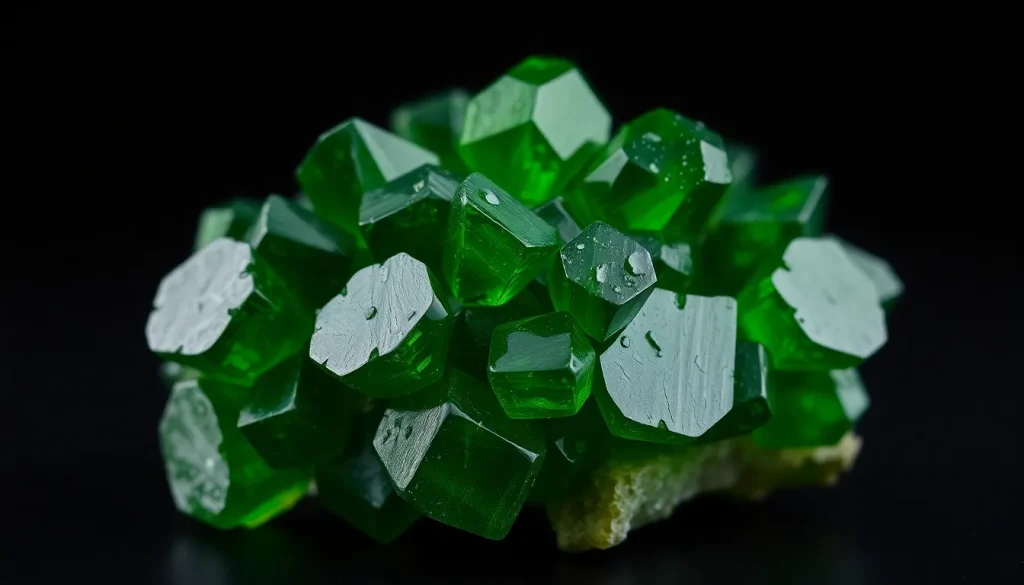
Clinochlore is a phyllosilicate mineral belonging to the chlorite group. It typically forms in metamorphic environments and is recognized for its rich green to dark green coloration. While not a traditional gemstone in mainstream jewelry, high‑quality specimens are occasionally cut for decorative pieces and collectors’ items.
History and Origin
The name “clinochlore” derives from the Greek words klinos (meaning “inclined”) and chloros (meaning “green”), referencing its monoclinic crystal symmetry and characteristic hue. Specimens have been documented from mining districts in the United States, Brazil, Madagascar, and Japan since the 19th century, primarily as a by‑product of metamorphic rock alteration.
Meaning and Symbolism
In traditional gemstone lore, clinochlore is associated with growth, renewal, and emotional balance. Its green color links it to the heart‑centered energies of nature, symbolizing compassion and a deep connection to the earth. Collectors often value the stone for its grounding presence and its representation of natural transformation.
Healing and Metaphysical Properties
Crystal‑healing practitioners attribute clinochlore with the ability to promote emotional stability, enhance self‑esteem, and support physical recovery after illness. It is believed to aid the immune system and assist in detoxification processes. These claims are based on traditional beliefs and are not intended as medical advice.
Varieties and Types
Clinochlore occurs in several varieties, distinguished mainly by iron content and shade of green:
- Typical Green Clinochlore – medium to dark green, common in metamorphic schists.
- Iron‑rich (Fe‑rich) Clinochlore – darker, almost black‑green, often found in high‑pressure zones.
- Magnesium‑rich (Mg‑rich) Clinochlore – lighter, yellow‑green to olive tones.
All varieties share the same basic crystal structure and physical properties, though color variations affect their desirability for ornamental use.
Jewelry Uses and Care
Because clinochlore has a Mohs hardness of 2–3, it is relatively soft and prone to scratching. It is therefore best suited for pendants, earrings, and brooches that are not subject to daily wear. When set in protective metal settings (e.g., bezel or channel), the stone can be displayed safely.
Care guidelines:
- Avoid exposure to harsh chemicals, ultrasonic cleaners, and steam.
- Clean gently with a soft, damp cloth; use mild soap if necessary.
- Store separately from harder gemstones to prevent abrasion.
- Limit prolonged sunlight exposure, which can fade delicate green tones.
Buying Guide
When purchasing clinochlore, consider the following factors:
- Color Saturation – Deep, even green hues are most prized.
- Clarity – Look for minimal surface inclusions; the stone is often translucent to opaque.
- Cut and Setting – A well‑executed cut that protects the stone’s edges enhances durability.
- Origin – Reputable sources from known localities (e.g., California, Brazil) provide greater confidence in authenticity.
- Treatment Disclosure – Ensure any stabilization or dyeing is fully disclosed, as some specimens are treated to improve color.
Because clinochlore is not commonly traded on major gemstone markets, obtaining a certificate from a recognized gemological laboratory can add assurance of quality.
FAQ
What is clinochlore good for?
Clinochlore is prized for ornamental jewelry and collector pieces; traditionally it is believed to support emotional balance and grounding.
Is clinochlore rare?
High‑quality, vividly colored clinochlore is uncommon, especially in gem‑cut sizes. The mineral itself is relatively abundant in metamorphic rocks, but gem‑grade material is limited.
How can you tell if clinochlore is real?
Real clinochlore exhibits a green to dark green hue, perfect basal cleavage, and a Mohs hardness of 2–3. Professionals use refractive index, specific gravity, and microscopic examination to confirm authenticity.
What chakra is clinochlore associated with?
In crystal‑healing traditions, clinochlore is linked to the Heart chakra, reflecting its green color and grounding qualities.
How should you clean clinochlore?
Clean clinochlore gently with a soft, damp cloth and mild soap if needed. Avoid ultrasonic cleaners, steam, or harsh chemicals, and store it separately from harder gemstones.
Leave a Reply