
Short Answer
Overview
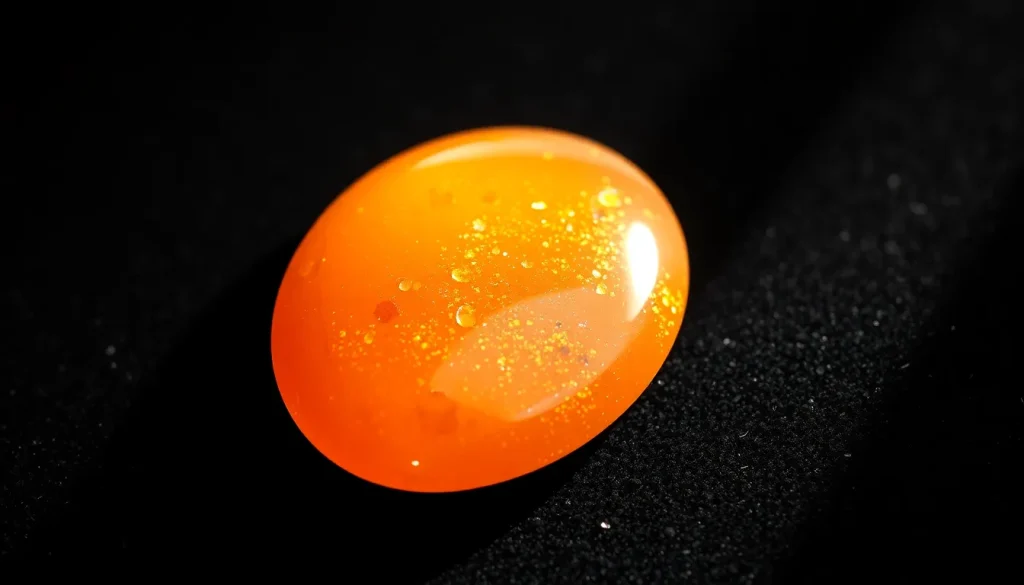
Sunstone is a variety of the plagioclase feldspar mineral oligoclase that exhibits a metallic glitter known as aventurescence. The effect is produced by microscopic plate‑like inclusions of copper, hematite, or other metallic minerals that reflect light. Sunstone typically displays warm colors ranging from golden yellow to reddish‑orange, and may also appear brown or greenish depending on its inclusions.
History and Origin
Historical records of sunstone date back to the Viking Age, when Norwegian traders prized the stone for its shimmering appearance and purported navigational properties. In the 19th century, sunstone was identified scientifically as a feldspar with copper inclusions. Modern commercial production began in the United States in the early 1900s, especially from deposits in Oregon, while Norway, Canada, Russia, India, and Madagascar continue to supply natural material.
Meaning and Symbolism
Across cultures, sunstone is associated with vitality, personal power, and the life‑giving energy of the sun. It is said to inspire confidence, promote enthusiasm, and encourage a positive outlook. In folklore, the stone was believed to aid travelers by reflecting sunlight and serving as a compass.
Healing and Metaphysical Properties
Traditional crystal‑healing beliefs attribute sunstone with the ability to boost self‑esteem, stimulate creativity, and restore emotional balance. Practitioners claim it can help dispel negativity, support the digestive system, and enhance the flow of personal energy. These statements reflect cultural beliefs and are not medical advice.
Varieties and Types
- Oregon Sunstone – Typically copper‑rich, displaying bright orange to red hues with strong aventurescence.
- Norwegian Sunstone – Often lighter in color, may show a subtle glitter and is sometimes used in historic artifacts.
- Heat‑treated Sunstone – Heat can intensify color and increase the visibility of the metallic sheen; such stones should be disclosed as treated.
- Colloidal Sunstone – Fine‑grained material used primarily for ornamental purposes rather than faceted gems.
Jewelry Uses and Care
Sunstone’s hardness of 6–6.5 on the Mohs scale makes it suitable for rings, pendants, earrings, and bracelets, though it should be protected from hard impacts. Because the stone can contain fractures, setting it in protective bezels or as a cabochon is common. Cleaning should be performed with warm, soapy water and a soft brush; avoid ultrasonic cleaners and harsh chemicals, especially on heat‑treated specimens.
Buying Guide
When purchasing sunstone, consider the following factors:
- Color and Aventurescence – Deep orange to reddish tones with strong metallic sparkle are most valued.
- Clarity – Inclusions that cause the shimmer are desirable, but large cracks or fractures reduce durability.
- Treatment Disclosure – Ask whether the stone has been heat‑treated or enhanced; untreated material typically commands a premium.
- Cut and Shape – Cabochons showcase the aventurescence best; faceted stones may display less sparkle.
- Certification – Reputable dealers provide gem‑ological reports confirming identity and any treatments.
Always buy from a trusted source and request a return policy if the stone does not meet expectations.
FAQ
What is sunstone good for?
Sunstone is prized for its warm color and metallic sparkle, making it popular in jewelry. Traditionally, it is believed to boost confidence, encourage creativity, and support emotional balance, though these claims are not medically verified.
Is sunstone rare?
High‑quality sunstone with vivid color and strong aventurescence is less common, especially untreated material. The stone is found in several countries, but large, flawless crystals are relatively scarce.
How can you tell if sunstone is real?
Real sunstone displays a natural metallic glitter and a slightly lower specific gravity than glass. Look for uneven color and natural inclusions. A professional gemological test, such as refractive index measurement, provides certainty.
What chakra is sunstone associated with?
In crystal‑healing traditions, sunstone is most often linked to the Solar Plexus (Manipura) chakra, which is associated with personal power and confidence.
How should you clean sunstone?
Clean sunstone with warm, mildly soapy water and a soft brush. Avoid ultrasonic cleaners, steam, and harsh chemicals, especially if the stone has been heat‑treated or is set in a delicate setting.
Leave a Reply