
Short Answer
Overview
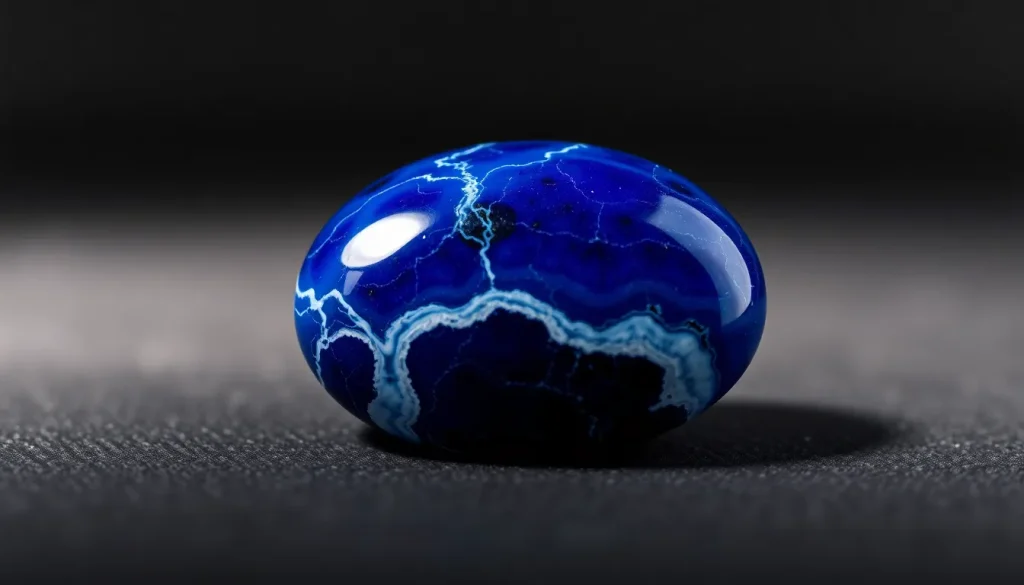
Sodalite is a sodium‑aluminum silicate chloride belonging to the feldspathoid group. It is best known for its intense royal‑blue hue, often intersected by white calcite veins that create a striking “marble” appearance. The stone is typically found in massive, granular aggregates rather than well‑formed crystals, making it a popular material for cabochons, beads, and ornamental carvings.
History and Origin
The name “sodalite” derives from the German word sodal, meaning “soda,” referencing the sodium component of its composition. The mineral was first described in 1811 from deposits near Lake Baikal in Siberia. Commercial mining began in the early 20th century, with significant sources emerging in Canada’s Ontario province, Namibia, Brazil, and parts of the United States (Colorado). Its vivid color quickly attracted artisans, and by the 1920s sodalite was a favored material for Art Deco jewelry and decorative objects.
Meaning and Symbolism
In traditional gemstone lore, sodalite is associated with logic, rational thought, and communication. It is said to promote verbal expression, enhance study and learning, and aid in overcoming fear of public speaking. The stone’s blue color is often linked to the sky and water, symbolizing calmness, inner peace, and a clear mind.
Healing and Metaphysical Properties
Crystal‑healing practitioners attribute the following properties to sodalite, describing them as traditional beliefs rather than medical facts:
- Chakra association: Primarily the Throat Chakra, supporting honest communication and self‑expression.
- Emotional balance: Believed to soothe anxiety, alleviate panic attacks, and foster emotional stability.
- Mental clarity: Thought to enhance analytical abilities, improve concentration, and assist in problem‑solving.
- Physical support: Traditionally used to aid the respiratory system, thyroid, and to alleviate headaches, though no clinical evidence supports these uses.
These claims are part of cultural and metaphysical traditions and should not replace professional medical advice.
Varieties and Types
While “sodalite” refers to the mineral itself, several related varieties are recognized:
- Blue sodalite: The classic deep‑blue form with white calcite veining.
- Grey sodalite: A less common, muted grey to blue‑grey variety.
- Green sodalite: Rare, containing trace amounts of iron or other impurities.
- Pink sodalite: Very rare, displaying a faint pink hue due to manganese.
All varieties share the same basic crystal chemistry but differ in trace element content that influences color.
Jewelry Uses and Care
Sodalite’s attractive color and relatively easy workability make it a popular choice for:
- Cabochons set in rings, pendants, and earrings.
- Beads for necklaces and bracelets.
- Inlay work and ornamental carving.
Because sodalite rates 5.5–6 on the Mohs scale, it is suitable for most jewelry but should be protected from hard impact. Its conchoidal fracture and lack of cleavage mean it can chip if struck.
Care instructions:
- Clean with warm, soapy water and a soft brush; avoid ultrasonic cleaners.
- Dry with a lint‑free cloth; do not use harsh chemicals.
- Store separately from harder gemstones (e.g., quartz, diamond) to prevent scratching.
- If the stone has been heat‑treated or dyed, limit exposure to high temperatures and prolonged sunlight.
Buying Guide
When selecting sodalite, consider the following factors:
- Color intensity: Deep, uniform blue with contrasting white veining is most valued.
- Clarity: Inclusions are common; however, large cracks or fractures reduce durability.
- Cut and finish: Well‑polished cabochons showcase the stone’s depth of color.
- Treatment: Some specimens are heat‑treated to enhance blue; reputable dealers will disclose any treatment.
- Origin: Canadian and Namibian sodalite are often considered high quality due to consistent color.
Request a certificate of authenticity or a gem‑lab report for high‑value pieces, especially if the stone is claimed to be untreated.
FAQ
What is sodalite good for?
Sodalite is prized for its vivid blue color in jewelry and decorative objects. Traditionally, it is believed to aid communication, mental clarity, and emotional balance, though these are metaphysical claims and not medical facts.
Is sodalite rare?
Sodalite is not extremely rare; it is found in several countries. High‑quality, deep‑blue specimens with minimal fractures are less common and command higher prices, especially when untreated.
How can you tell if sodalite is real?
Real sodalite feels cool to the touch, has a vitreous luster, and displays the characteristic blue‑white veining. A hardness test (5.5–6) and checking for a white streak can help. For certainty, seek a gem‑lab report or professional appraisal.
What chakra is sodalite associated with?
In crystal‑healing traditions, sodalite is most commonly linked to the Throat Chakra, supporting clear communication and self‑expression.
How should you clean sodalite?
Clean sodalite with warm, soapy water and a soft brush. Avoid ultrasonic cleaners and harsh chemicals. Dry with a lint‑free cloth and store separately from harder gemstones to prevent scratches.
Leave a Reply