
Short Answer
Overview
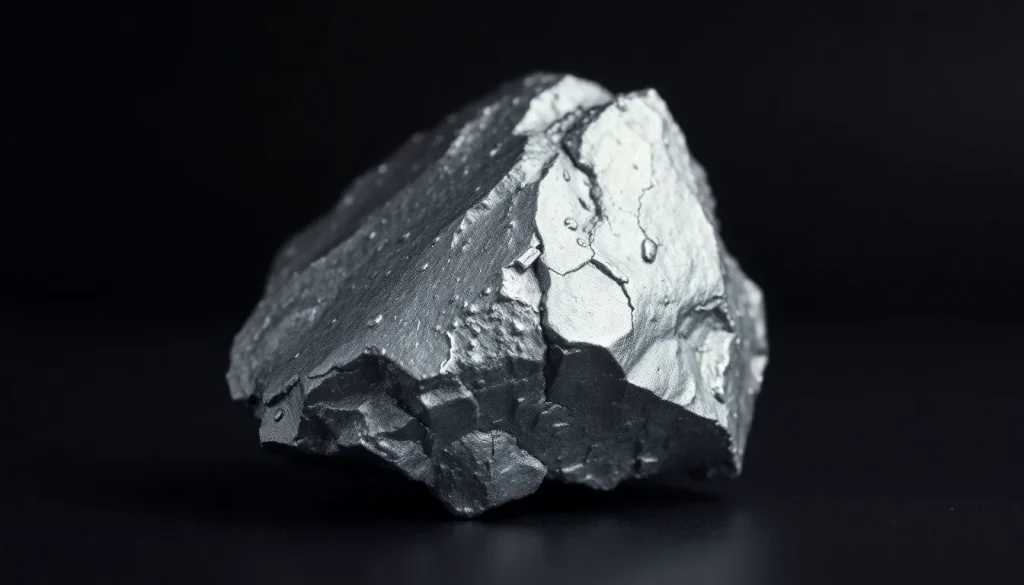
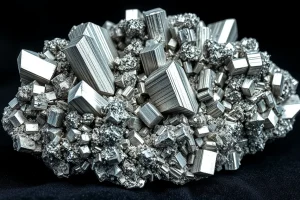
Smaltite is a metallic arsenide mineral composed primarily of cobalt, nickel, and iron combined with arsenic. It crystallizes in the orthorhombic system and typically appears as steel‑gray to silver‑white masses with a bright metallic luster. While not a common gemstone, its distinctive sparkle makes it a collector’s item and occasionally a component in bespoke jewelry.
History and Origin
The name “smaltite” derives from the German word “Smalt,” historically used for cobalt ores used to produce blue glass. Smaltite was first described in the early 19th century from deposits in the Kemi district of Sweden. Similar occurrences have been reported in the United States, Canada, Russia, and Germany, where it formed in hydrothermal veins alongside other arsenide minerals.
Meaning and Symbolism
In traditional gemstone folklore, smaltite is associated with strength, resilience, and grounding. Its deep metallic hue is thought to represent inner fortitude and the ability to reflect one’s true self, making it a symbolic talisman for perseverance.
Healing and Metaphysical Properties
Crystal‑healing practitioners attribute smaltite with grounding energy that supports the Root Chakra, promotes confidence, and helps release fear. It is believed to aid in balancing the physical body, especially the skeletal and muscular systems. These claims are based on tradition and are not medical advice.
Varieties and Types
- Cobalt‑rich smaltite – higher cobalt content, deeper steel‑gray color.
- Nickel‑rich smaltite – lighter silver appearance, often found with nickel‑bearing skarn deposits.
- Iron‑bearing smaltite – darker gray to black streak, higher specific gravity.
- Skutterudite‑group specimens – crystals that display well‑formed orthorhombic prisms, occasionally cut for display.
Jewelry Uses and Care
Because of its metallic hardness (Mohs 5.5‑6) and brittleness, smaltite is most often used in pendants, cufflinks, or as an accent stone set in protective bezels. Polishing can enhance its mirror‑like surface, but the mineral is prone to oxidation if exposed to harsh chemicals. Clean smaltite with a soft, lint‑free cloth and mild soapy water; avoid ultrasonic cleaners and abrasive powders.
Buying Guide
When purchasing smaltite, consider the following criteria:
- Verify the mineral’s origin – reputable dealers will provide provenance from known localities such as Sweden, Canada, or the U.S. Rockies.
- Examine color and luster – genuine smaltite displays a uniform steel‑gray to silver‑white metallic sheen without surface coatings.
- Check for treatments – some specimens are artificially polished or coated to improve shine; ask for disclosure.
- Request a gemological report – a certified analysis confirming the (Co,Ni)As₂ composition and absence of hazardous arsenic exposure is advisable.
FAQ
What is smaltite good for?
Smaltite is valued by collectors for its metallic sparkle and is occasionally set in jewelry as a decorative accent. Traditional beliefs also associate it with grounding and strength, though these are not scientifically proven.
Is smaltite rare?
High‑quality smaltite suitable for jewelry is relatively rare because large, well‑formed crystals are limited to a few localities. Fine specimens from classic deposits such as Sweden or the U.S. Rockies are especially scarce.
How can you tell if smaltite is real?
Authentic smaltite feels heavy, has a uniform metallic luster, and leaves a black or dark‑gray streak. It is opaque and does not transmit light. Professional gemological testing, such as X‑ray fluorescence, can confirm its (Co,Ni)As₂ composition.
What chakra is smaltite associated with?
In crystal‑healing traditions, smaltite is linked to the Root Chakra, believed to promote grounding and stability.
How should you clean smaltite?
Gently wipe smaltite with a soft, lint‑free cloth and mild soapy water. Avoid ultrasonic cleaners, harsh chemicals, and abrasive powders, as the mineral can oxidize or become scratched.
Leave a Reply