
Short Answer
Overview
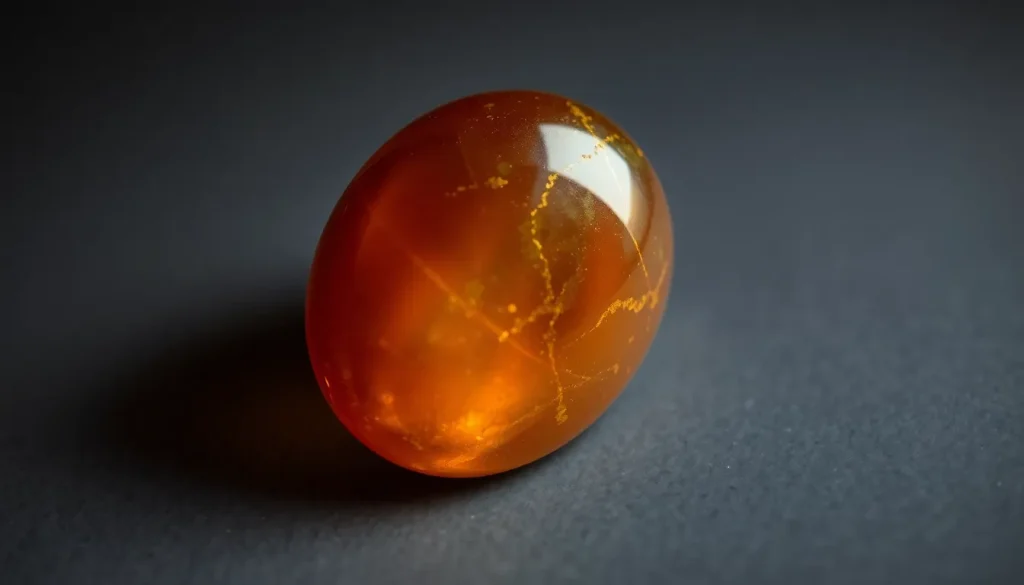
Siderite is a carbonate mineral composed primarily of iron(II) carbonate (FeCO3). It crystallizes in the trigonal (rhombohedral) system and commonly forms massive, granular, or tabular aggregates. In its gem-quality form, siderite displays a range of earthy tones—from warm yellow‑brown to muted green and gray—often with a vitreous to pearly luster.
History and Origin
The name “siderite” derives from the Greek word sideros, meaning “iron,” reflecting its iron‑rich composition. Historically, siderite was mined as an iron ore, especially in the 19th‑century iron‑producing regions of Germany (Saxony) and the United States (Illinois, Missouri). Its occasional translucence and attractive coloration led lapidaries to cut small specimens for ornamental use and collectors.
Meaning and Symbolism
Traditional gemstone lore attributes grounding, stability, and perseverance to siderite. The stone is believed to help its wearer stay anchored during periods of change, fostering patience and inner strength. In some cultures, siderite’s earthy hues are linked to the element of earth, reinforcing its reputation as a stone of practicality and determination.
Healing and Metaphysical Properties
Within crystal‑healing circles, siderite is said to support the following:
- Grounding and stability: Helps balance the root chakra, promoting a sense of security.
- Emotional calm: Encourages calm, reducing feelings of anxiety and restlessness.
- Physical support: Traditionally thought to aid the circulatory system and iron deficiency, though these claims are not medically verified.
These beliefs are part of longstanding metaphysical traditions and should not replace professional medical advice.
Varieties and Types
Siderite occurs in several color varieties, often influenced by trace elements or oxidation:
- Brown siderite: The most common commercial color, ranging from light tan to deep chocolate brown.
- Green siderite: Contains trace amounts of nickel or manganese, giving a muted olive to emerald hue.
- Gray to black siderite: Darker specimens result from oxidation or inclusions.
- Manganosiderite (Manganese siderite): A manganese‑rich variety displaying pinkish to reddish tones.
- Blue siderite: Rare, caused by trace copper or cobalt.
All varieties share the same chemical backbone of FeCO3, with color differences arising from impurities.
Jewelry Uses and Care
Because siderite rates only 3.5–4.5 on the Mohs scale, it is relatively soft and can cleave along perfect {10‑11} planes. Consequently, it is best used in pendants, earrings, or brooches where abrasion is limited. When set in protective settings—such as bezel or protective backings—the risk of chipping is reduced.
Care recommendations:
- Clean gently with a soft, lint‑free cloth; avoid ultrasonic cleaners or steam.
- Use mild warm soapy water for stubborn dirt, then rinse and pat dry.
- Store separately from harder gemstones (e.g., quartz, topaz) to prevent scratching.
- Avoid prolonged exposure to harsh chemicals, acids, or high heat, as siderite can decompose under extreme conditions.
Buying Guide
When selecting siderite, consider the following factors:
- Color and clarity: High‑quality pieces display even, saturated coloration with minimal inclusions.
- Cut and setting: Because of its cleavage, a well‑protected cut (cabochon or bezel) is preferable.
- Origin: Specimens from classic localities—Germany, USA, Canada, Sweden—are often prized by collectors.
- Treatment disclosure: Some commercial siderite may be stabilized with resin; reputable sellers should disclose any treatments.
- Certification: For larger or high‑value pieces, request a gemological report from a recognized laboratory (e.g., GIA, IGI).
Purchasing from a trusted dealer ensures authenticity and provides recourse if the stone does not meet described specifications.
FAQ
What is siderite good for?
Siderite is prized by collectors for its earthy colors and crystal forms, and it is occasionally used in jewelry where its softness can be managed. Metaphysically, it is believed to promote grounding, emotional calm, and perseverance, though these are traditional beliefs, not medical facts.
Is siderite rare?
Siderite is relatively common as an ore mineral, but gem‑quality, well‑colored, and unfractured specimens are less frequent. Rarity increases with vivid green or blue hues, large flawless pieces, and stones from renowned localities.
How can you tell if siderite is real?
Real siderite feels heavier than quartz for its size, shows a grayish‑white streak, and may exhibit perfect cleavage. It is softer than quartz (Mohs 3.5‑4.5). For certainty, have the stone examined by a qualified gemologist who can perform a refractive index test and verify its chemical composition.
What chakra is siderite associated with?
Traditional crystal‑healing sources often link siderite to the Root (Muladhara) chakra, emphasizing grounding and stability. Some practitioners also associate it with the Heart chakra due to its earthy, nurturing colors, but there is no single universally accepted chakra assignment.
How should you clean siderite?
Clean siderite with a soft, lint‑free cloth and mild warm soapy water. Avoid ultrasonic cleaners, steam, harsh chemicals, or high heat, as the stone can be damaged or altered. Store it separately from harder gemstones to prevent scratches.
Leave a Reply