
Short Answer
Overview
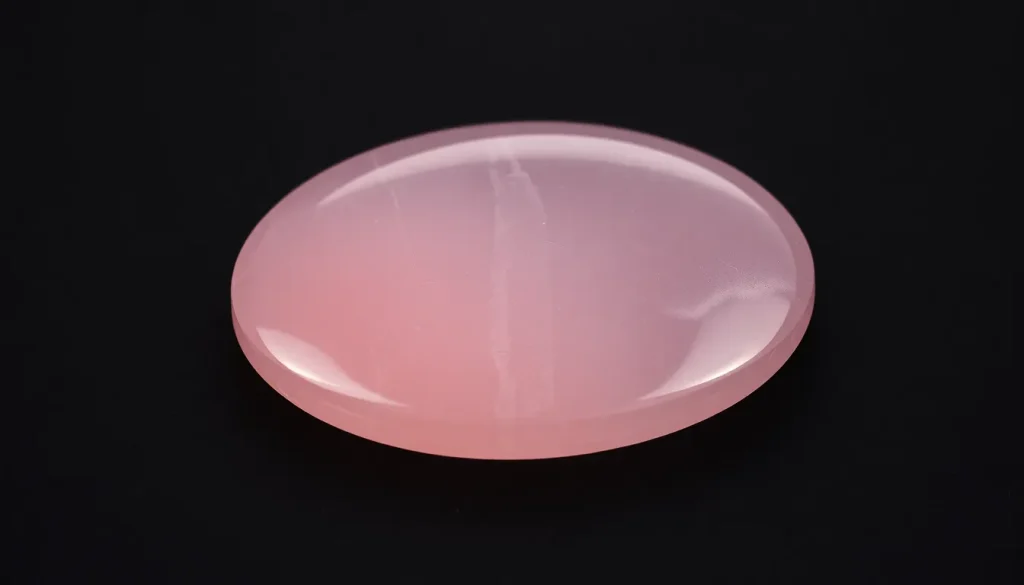
Rose quartz is a member of the quartz family, composed of silicon dioxide (SiO₂). It is best known for its delicate pink to rose‑red coloration, which ranges from a very pale, almost translucent hue to a deeper, more saturated pink. The color is caused by trace amounts of titanium, iron, or manganese within the crystal lattice. Because of its vitreous luster, durability (Mohs hardness 7), and attractive color, rose quartz is widely used in jewelry, ornamental objects, and as a decorative stone in interior design.
History and Origin
Human fascination with rose quartz dates back to ancient civilizations. The stone was used in ancient Egypt and Mesopotamia for amulets and decorative inlays. In the 19th century, rose quartz became popular in European decorative arts, especially in cameo carving and cameo jewelry. Geologically, rose quartz forms in granitic pegmatites and hydrothermal veins where silica‑rich fluids precipitate quartz crystals. Major modern sources include Brazil, Madagascar, the United States (South Dakota), Namibia, India, and South Africa.
Meaning and Symbolism
Across many cultures, rose quartz is associated with love, compassion, and emotional healing. It is often given as a token of affection or used in wedding jewelry to symbolize the heart’s openness. In contemporary symbolism, the stone represents self‑acceptance, inner peace, and the nurturing of relationships.
Healing and Metaphysical Properties
Traditional crystal‑healing beliefs hold that rose quartz emits a gentle, soothing energy that encourages emotional balance and heart‑centered awareness. Practitioners claim it can help release emotional wounds, promote forgiveness, and attract love. These attributes are considered metaphysical and are not supported by medical science; rose quartz should never replace professional medical treatment.
Varieties and Types
Several distinct varieties of rose quartz are recognized by collectors and gemologists:
- Moss Rose Quartz – contains green mineral inclusions that resemble moss.
- Cactus Rose Quartz – features white, cactus‑shaped calcite inclusions.
- Lava Rose Quartz – includes dark, volcanic‑rock inclusions giving a speckled appearance.
- Boulder Rose Quartz – massive, often uncut pieces with a raw, natural surface.
- Rhodonite‑Rose Quartz Composite – a mixture of rhodonite and rose quartz, displaying pink tones with distinct red‑brown veining.
Jewelry Uses and Care
Because of its hardness, rose quartz can be cut into a wide range of gemstone shapes, including cabochons, beads, faceted stones, and carved pendants. It is commonly set in silver, white gold, or rose gold to complement its pink hue. Care recommendations:
- Clean with warm, soapy water and a soft brush; avoid harsh chemicals.
- Dry with a lint‑free cloth; do not use ultrasonic cleaners on pieces with unknown treatments.
- Store separately from harder gemstones to prevent scratching.
- Avoid prolonged exposure to direct sunlight, which can cause slight fading over many years.
Buying Guide
When selecting rose quartz, consider the following factors:
- Color Saturation – Deep, even pinks are generally more valuable than pale or uneven tones.
- Clarity – Look for stones free of cloudiness or cracks; natural inclusions are acceptable if they do not detract from overall beauty.
- Cut and Finish – Well‑executed cabochons and faceted cuts enhance the stone’s luster.
- Treatment Disclosure – Some rose quartz is heat‑treated to improve color. Reputable sellers should disclose any treatments.
- Origin – While most sources produce high‑quality material, Brazilian and Madagascan specimens are especially prized for their consistent color.
n
For confidence, request a certificate of authenticity or have the stone examined by a qualified gemologist, especially for high‑value pieces.
FAQ
What is rose quartz good for?
Rose quartz is prized for jewelry making due to its attractive pink color and durability. Traditionally, it is also used in crystal‑healing practices to promote love, emotional balance, and heart‑centered meditation.
Is rose quartz rare?
Rose quartz is not considered rare; it is found in many locations worldwide. However, high‑quality stones with deep, even color and good clarity are less common and may command higher prices.
How can you tell if rose quartz is real?
Real rose quartz feels cool to the touch, has a vitreous luster, and a hardness of about 7. Check for natural inclusions and a consistent pink hue. Professional testing, such as refractive index measurement or spectroscopy, provides definitive verification.
What chakra is rose quartz associated with?
In crystal‑healing traditions, rose quartz is most commonly linked to the Heart (Anahata) chakra, where it is believed to support love and compassion.
How should you clean rose quartz?
Clean rose quartz with warm, mildly soapy water and a soft brush. Rinse thoroughly and pat dry with a lint‑free cloth. Avoid harsh chemicals, ultrasonic cleaners (especially on treated stones), and prolonged exposure to direct sunlight.
Leave a Reply