
Short Answer
Overview
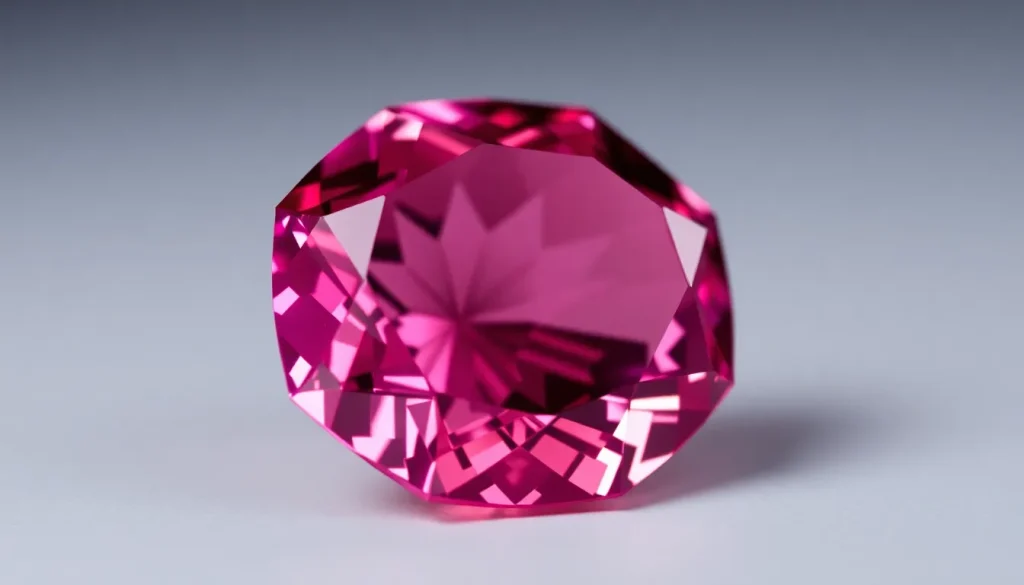
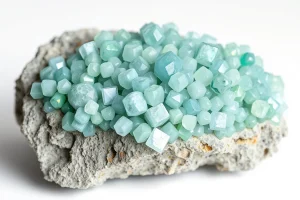
Rhodizite is a carbonate mineral belonging to the calcite group, composed of a solid solution between rhodochrosite (MnCO3) and zincite (ZnCO3). It typically occurs as pink, rose‑red, salmon or orange‑red crystals and is prized by collectors for its vivid coloration and distinctive crystal habit. The gemstone’s hardness ranges from 4.5 to 5.5 on the Mohs scale, making it relatively soft compared with many traditional gemstones.
History and Origin
The mineral was first described in 1923 from specimens collected near Kabwe (formerly Broken Hill), Zambia. Subsequent occurrences have been documented in Namibia’s Hotazel district, the Ural Mountains of Russia, Ontario (Canada), and several localities in the United States such as Colorado. Historically, rhodizite has been used as a curiosity specimen rather than a commercial gemstone, although faceted examples have appeared in high‑end jewelry since the late 20th century.
Meaning and Symbolism
In traditional gemstone lore, rhodizite is associated with love, compassion, and emotional openness. It is said to encourage heartfelt communication and to support the wearer in expressing affection without fear. The stone’s gentle pink hue is often linked to the nurturing aspects of the heart energy.
Healing and Metaphysical Properties
Crystal‑healing practitioners attribute the following properties to rhodizite:
- Emotional Healing: Helps release past emotional wounds and promotes self‑acceptance.
- Heart Chakra Alignment: Believed to activate and balance the heart chakra, enhancing love and empathy.
- Stress Relief: Said to calm nervous tension and foster inner peace.
These claims are based on traditional beliefs and are not medical advice.
Varieties and Types
Rhodizite specimens vary according to the relative proportion of manganese and zinc:
- Manganese‑rich rhodizite: Deep rose‑red, often found in Zambian deposits.
- Zinc‑rich rhodizite: Lighter salmon or orange‑red tones, typical of Namibian material.
- Intermediate composition: Balanced pink hues, commonly sourced from the Ural region.
Some collectors also refer to “Kabwe rhodizite” and “Hotazel rhodizite” to denote the locality‑specific color and crystal habit.
Jewelry Uses and Care
Due to its moderate hardness, rhodizite is best suited for pieces that are not subject to heavy wear, such as pendants, earrings, and brooches. When set in protective settings (e.g., bezel or channel), the stone is less prone to scratching.
Cleaning: Use a soft, lint‑free cloth and mild soapy water. Avoid ultrasonic cleaners and steam, which can exacerbate surface cracks.
Storage: Keep rhodizite separate from harder gemstones like quartz or sapphire to prevent abrasion. A padded jewelry box or a soft‑cloth pouch is recommended.
Buying Guide
When purchasing rhodizite, consider the following factors:
- Color Saturation: Deep, even pinks are generally more valuable than pale or uneven tones.
- Clarity: Inclusions are common; however, large fractures or cloudiness can diminish brilliance.
- Cut and Faceting: Well‑cut stones display strong luster and a pleasing play of light.
- Treatment Disclosure: Some rhodizite may be heat‑treated or dyed to enhance color. Reputable dealers should disclose any treatments.
- Certification: For high‑value pieces, request a gemological report from a recognized laboratory (e.g., GIA, IGI).
Because rhodizite is relatively rare in gem‑quality form, prices can vary widely. Always purchase from a trusted source that offers a return policy and clear provenance information.
FAQ
What is Rhodizite good for?
Rhodizite is valued by collectors for its vivid pink color and by jewelry designers for delicate pendants and earrings. Traditionally, it is believed to promote emotional balance and heart‑centered love, though these are not medical claims.
Is Rhodizite rare?
Gem‑quality rhodizite is relatively uncommon. High‑color saturation, good clarity, and well‑cut stones are rarer still, especially from classic localities like Zambia. However, lower‑grade material is more plentiful in mineral collections.
How can you tell if Rhodizite is real?
Authentic rhodizite exhibits a trigonal crystal habit, perfect rhombohedral cleavage, and a white streak. Its hardness (4.5–5.5) means it scratches easily with a steel file. Professional gemological testing (e.g., refractive index, specific gravity) confirms identity.
What chakra is Rhodizite associated with?
In crystal‑healing traditions, rhodizite is linked to the Heart chakra, supporting love, compassion, and emotional openness.
How should you clean Rhodizite?
Clean gently with lukewarm soapy water and a soft cloth. Avoid ultrasonic cleaners, steam, or harsh chemicals. Store separately from harder stones to prevent scratching.
Leave a Reply