
Short Answer
Overview
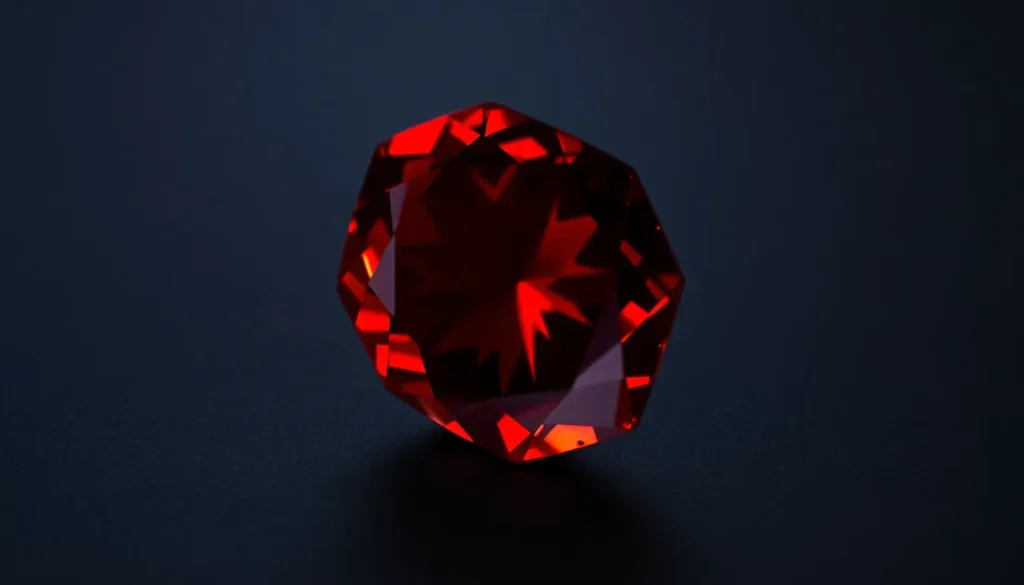
Pyrope, almandine, and spessartine are three of the most common members of the garnet group, a family of nesosilicate minerals with the general formula X₃Y₂(SiO₄)₃. They are celebrated for their deep red, reddish‑brown, and orange‑red hues, respectively, and rank among the hardest and most durable gemstones, making them popular in all types of jewelry.
History and Origin
Garnet stones have been used since antiquity. Pyrope was first identified in the Ural Mountains and later in the volcanic deposits of Madagascar. Almandine was named after the German mineralogist Almand, who described the brown‑red crystals from the Czech Republic in the early 19th century. Spessartine, discovered in the Spessart hills of Germany, gained popularity in the 19th century for its vivid orange‑red color. Historically, all three varieties were cut into cabochons for the Roman Empire, set into medieval crown jewels, and used as trade beads across Asia.
Meaning and Symbolism
Traditional folklore associates garnet varieties with courage, vitality, and protection. Pyrope is often linked to the heart’s fire, symbolizing passionate love and confidence. Almandine, with its deeper brown‑red tone, is said to encourage stability and grounding. Spessartine’s bright orange hue is thought to inspire creativity and enthusiasm. Across cultures, garnets have been regarded as talismans against danger and as stones that strengthen personal resolve.
Healing and Metaphysical Properties
In crystal‑healing circles, pyrope‑almandine‑spessartine garnets are believed to balance the root chakra, fostering a sense of security and physical stamina. Practitioners claim they can boost circulation, support the blood‑forming system, and help release past emotional wounds. These claims are traditional beliefs and should not replace professional medical advice.
Varieties and Types
Although all belong to the garnet group, each variety has distinct chemical and visual characteristics:
- Pyrope – Mg₃Al₂(SiO₄)₃; deep, purplish‑red to blood‑red; common in Russia, Madagascar, and the USA (Arizona).
- Almandine – Fe₃Al₂(SiO₄)₃; reddish‑brown to dark red; sourced from India, Brazil, Tanzania, and Kenya.
- Spessartine – Mn₃Al₂(SiO₄)₃; orange‑red to cinnamon‑brown; notable localities include Brazil, Sri Lanka, and the United States (California).
All three share a cubic crystal system and lack true cleavage, which contributes to their durability.
Jewelry Uses and Care
Because of their hardness (6.5–7.5 on the Mohs scale) and resistance to scratching, garnets are suited for rings, earrings, pendants, and even watch crystals. However, they can fracture if struck sharply due to their conchoidal fracture pattern. Routine care includes cleaning with warm, soapy water and a soft brush, avoiding ultrasonic cleaners for heat‑treated stones, and storing them separately from softer gems.
Buying Guide
When selecting pyrope, almandine, or spessartine, consider the following factors:
- Color Saturation: Rich, even color without brownish zones is most desirable.
- Clarity: Inclusions are common but should not cloud the stone; eye‑clean specimens command higher prices.
- Cut: Well‑proportioned cuts enhance brilliance; popular cuts include round, oval, and cushion.
- Treatment Disclosure: Some garnets are heat‑treated to improve color; reputable dealers will disclose any treatments.
- Certification: For high‑value stones, request a gemological certificate from GIA, IGI, or a recognized laboratory.
By assessing these criteria, buyers can ensure they acquire a genuine, high‑quality garnet that will retain its beauty for generations.
FAQ
What is pyrope, almandine, and spessartine good for?
These garnet varieties are prized for jewelry due to their hardness and vivid colors. Traditionally they are believed to promote courage, grounding, and creative energy, but such claims are not medical facts.
Is pyrope, almandine, or spessartine rare?
High‑quality, intensely saturated stones are relatively scarce, especially untreated specimens. The minerals themselves are common, but fine‑cut, eye‑clean gems from premier localities can command premium prices.
How can you tell if pyrope, almandine, or spessartine is real?
Check for a uniform, deep color, a vitreous luster, and a hardness of 6.5–7.5 (scratch test). Use a refractometer to measure RI (1.73–1.89) and consult a certified gemologist for definitive verification.
What chakra is pyrope, almandine, and spessartine associated with?
In crystal‑healing traditions these garnets are linked to the Root chakra, supporting stability and grounding.
How should you clean pyrope, almandine, or spessartine?
Clean with warm, mild soapy water and a soft brush. Avoid harsh chemicals, ultrasonic cleaners for heat‑treated stones, and store separately from softer gems to prevent scratches.
Leave a Reply