
Short Answer
Overview
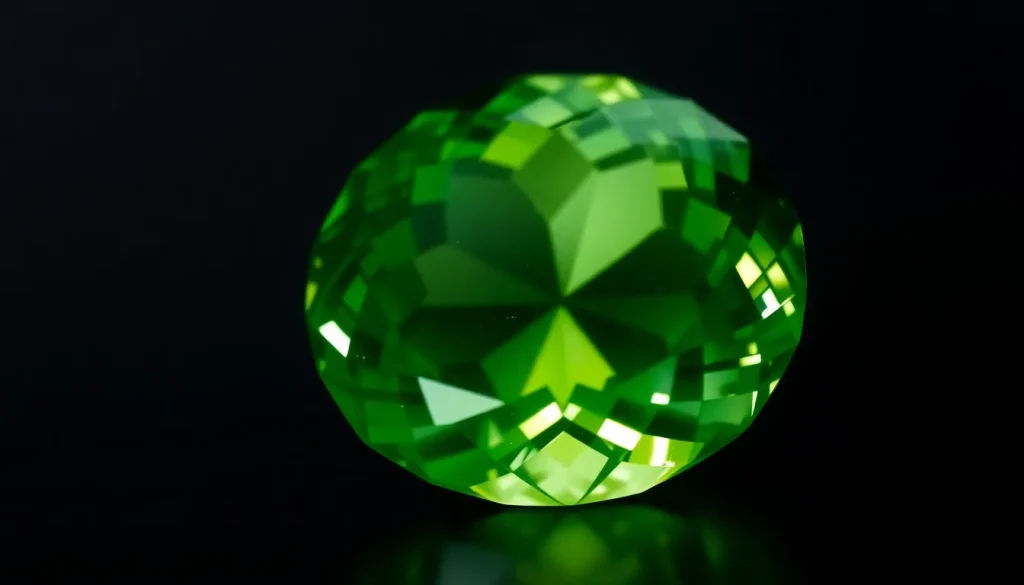
Prasiolite, sometimes called green quartz or green amethyst, is a green‑coloured variety of the mineral quartz (SiO₂). The name derives from the Greek word prasios, meaning “leek‑green.” While natural prasiolite does occur, most commercial material is produced by heat‑treating amethyst, which transforms the deep purple colour to a range of greens.
History and Origin
Natural prasiolite has been reported from a few localities, including Brazil, Madagascar, and the United States (North Carolina). The gemstone gained popularity in the early 20th century when gem dealers discovered that controlled heating of amethyst could reliably produce a stable green colour. This treatment became a standard practice, especially for the American and Brazilian markets, making prasiolite widely available at affordable prices.
Meaning and Symbolism
In traditional gemstone lore, green stones symbolize growth, renewal, and harmony. Prasiolite is associated with the heart’s energy, encouraging emotional balance and fostering a sense of inner peace. Its soothing hue is thought to promote compassion and a deeper connection to nature.
Healing and Metaphysical Properties
Crystal‑healing practitioners attribute the following properties to prasiolite:
- Enhancement of emotional healing and reduction of stress.
- Support for the heart chakra, aiding forgiveness and unconditional love.
- Assistance in manifesting personal growth and encouraging optimism.
These beliefs are traditional and not supported by scientific medical evidence. Prasiolite should not be used as a substitute for professional health care.
Varieties and Types
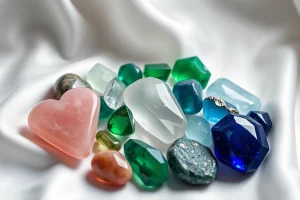
Prasiolite occurs in several shades, from pale pastel green to a richer apple‑green. The two main categories are:
- Natural prasiolite: Rare, formed in the earth without treatment. Typically lighter and less vivid.
- Heat‑treated amethyst: The prevalent commercial source. Produces a stable, uniform green that can be enhanced by additional irradiation.
Inclusions such as rutile needles (silk) or mineral clouds may be present, affecting clarity and value.
Jewelry Uses and Care
With a Mohs hardness of 7, prasiolite is suitable for most jewelry settings, including rings, earrings, pendants, and watches. Its vitreous luster and transparency make it an attractive alternative to more expensive green gems like emerald.
Care recommendations:
- Clean with warm, soapy water and a soft brush; avoid harsh chemicals.
- Use a lint‑free cloth for polishing; ultrasonic cleaners are acceptable if the stone is not fracture‑prone.
- Avoid prolonged exposure to direct sunlight, which can cause slight fading over many years.
Buying Guide
When purchasing prasiolite, consider the following factors:
- Origin and treatment disclosure: Reputable dealers will state whether the stone is natural or heat‑treated.
- Colour consistency: Look for even, vibrant green without brown or purple undertones.
- Clarity: Minor inclusions are common; however, excessive cloudiness reduces value.
- Cut and polish: Well‑cut stones display optimal brilliance and minimize visible inclusions.
- Certification: For high‑value pieces, a gemological report from a recognised laboratory (e.g., GIA) adds confidence.
Prices vary widely based on colour intensity, clarity, and whether the stone is natural or treated.
FAQ
What is prasiolite good for?
Prasiolite is prized for its attractive green colour in jewelry and is traditionally believed to promote emotional balance and heart‑chakra healing. Practically, its hardness makes it suitable for everyday wear.
Is prasiolite rare?
Natural prasiolite is rare, but the majority of market supply is heat‑treated amethyst, which is relatively common. Rarity depends on colour intensity, clarity, and whether the stone is untreated.
How can you tell if prasiolite is real?
Real prasiolite feels heavy for its size, shows a vitreous luster, and may display inclusions typical of quartz. A professional gemologist can confirm authenticity and disclose any heat treatment using spectroscopy or microscopic analysis.
What chakra is prasiolite associated with?
Traditionally, prasiolite is linked to the Heart (Anahata) chakra, where it is thought to support love, compassion, and emotional healing.
How should you clean prasiolite?
Clean prasiolite with warm soapy water and a soft brush, then rinse and pat dry with a lint‑free cloth. Avoid abrasive cleaners and prolonged exposure to strong acids or alkalis.
Leave a Reply