
Short Answer
Overview
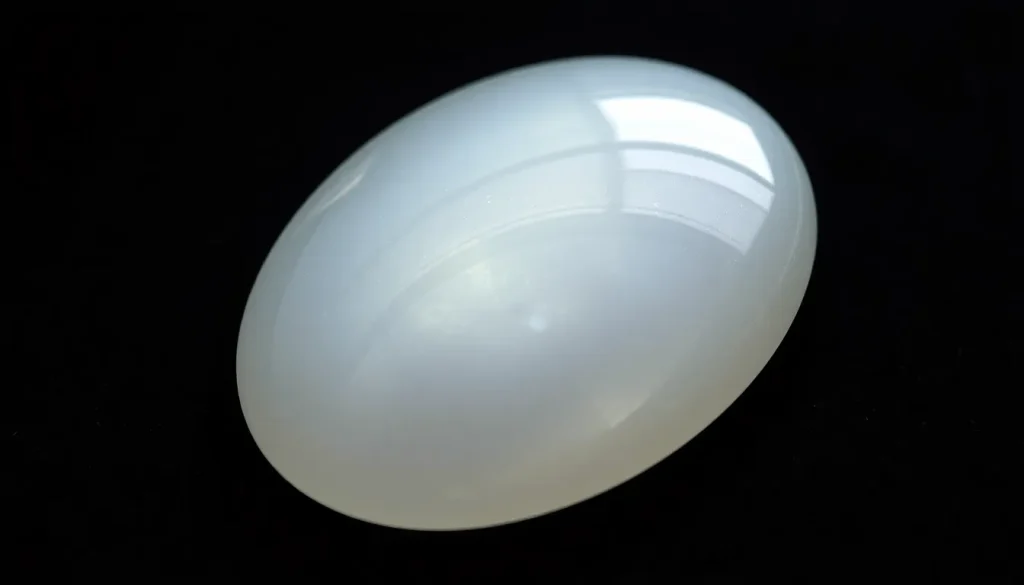
Adularia is a low‑temperature variety of the potassium feldspar orthoclase. It belongs to the alkali feldspar group and is composed principally of potassium aluminum silicate (KAlSi3O8). In its gem‑quality form, adularia is prized for a subtle pearly luster and, on occasion, a faint adularescent glow reminiscent of moonstone.
History and Origin
The name “adularia” derives from the Adur River region in the Swiss Alps where the mineral was first described in the early 19th century. It occurs in granitic pegmatites and hydrothermal veins worldwide, forming as the stable low‑temperature polymorph of orthoclase. Historic uses were limited to ornamental objects, but modern gem cutters have begun to appreciate its delicate optical qualities.
Meaning and Symbolism
Traditional folklore associates adularia with clarity of thought and emotional balance. It is said to encourage honest communication and to help the wearer see beyond surface impressions, fostering intuition and inner peace.
Healing and Metaphysical Properties
In crystal‑healing circles, adularia is believed to align the crown chakra, supporting spiritual insight and meditation. Practitioners claim it can soothe anxiety, promote mental clarity, and aid in the release of past emotional patterns. These attributes are based on longstanding metaphysical beliefs and are not intended as medical advice.
Varieties and Types
- Adularia (orthoclase variety) – The standard gem‑quality material, typically colorless to white with a pearly sheen.
- Pink adularia – Rare specimens displaying a delicate pink hue caused by trace iron.
- Greenish adularia – Occasionally shows a faint greenish tint due to minute inclusions.
While adularia shares its chemistry with orthoclase, the distinction lies in its formation temperature and crystal habit, which can affect optical performance.
Jewelry Uses and Care
Adularia is most often cut as a cabochon or polished bead to showcase its luster. It is used in rings, pendants, earrings, and spiritual jewelry. Because its hardness ranges from 6 to 6.5 on the Mohs scale, care should avoid scratching against harder gemstones or metals. Gentle cleaning with warm, soapy water and a soft brush is recommended; avoid ultrasonic cleaners if the stone has been treated or fractured.
Buying Guide
- Verify transparency – high‑grade adularia is transparent to translucent.
- Assess luster – a true pearly or vitreous sheen indicates quality.
- Look for adularescence – subtle glow is desirable but not required.
- Check for inclusions – minute inclusions are acceptable; large cracks reduce durability.
- Ask for provenance – reputable dealers should provide locality information and any treatment disclosures.
When possible, obtain a certification from a recognized gemological laboratory to confirm identity and any enhancements.
FAQ
What is Adularia good for?
Adularia is valued for its pearly luster and subtle glow in fine jewelry, and traditionally it is believed to promote clarity of thought and emotional balance.
Is Adularia rare?
High‑quality, transparent adularia with noticeable adularescence is relatively uncommon, but the mineral itself is not scarce; it occurs in many pegmatite deposits worldwide.
How can you tell if Adularity is real?
Examine clarity, luster, and hardness; genuine adularia should feel hard (Mohs 6‑6.5) and display a pearly sheen. Professional testing, such as refractive index measurement or spectroscopy, confirms authenticity.
What chakra is Adularia associated with?
In crystal‑healing traditions, adularia is most commonly linked to the Crown Chakra, supporting spiritual insight and meditation.
How should you clean Adularia?
Clean adularia with warm, mildly soapy water and a soft brush. Rinse thoroughly and pat dry with a lint‑free cloth. Avoid harsh chemicals, ultrasonic cleaners, and prolonged exposure to high heat.
Leave a Reply