Short Answer
Overview
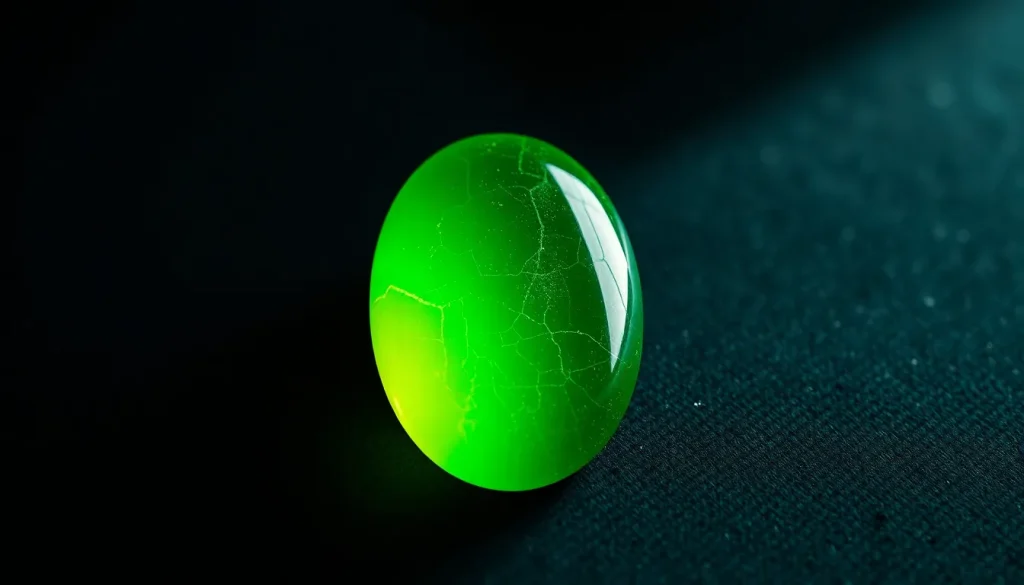
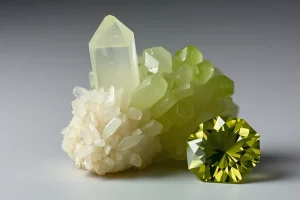
Lizardite is a member of the serpentine mineral group, chemically defined as Mg3Si2O5(OH)4. It typically forms in shades of green, ranging from pale yellow‑green to deep olive. Though not as hard as many traditional gemstones, lizardite is occasionally cut into cabochons and used in ornamental jewelry, especially when its color is vivid.
History and Origin
The name “lizardite” was introduced in 1847 by French mineralogist August Breithaupt, who named the mineral after the lizard‑like, scaly appearance of its crystal aggregates. Lizardite forms in metamorphic environments where ultramafic rocks, such as peridotite, undergo low‑grade metamorphism. Significant occurrences have been documented in the United States (California, Montana), Canada, Afghanistan, Madagascar, and Sri Lanka. Historically, serpentine stones, including lizardite, have been used for carving and ornamental purposes dating back to ancient civilizations, though their use as a gemstone is relatively modern.
Meaning and Symbolism
In traditional gemstone lore, lizardite is associated with renewal, growth, and emotional balance. Its green hue is thought to echo the vitality of nature, encouraging personal development and a sense of grounding. The stone is often presented as a symbol of compassion and empathy, making it a popular gift for those seeking to nurture relationships.
Healing and Metaphysical Properties
Crystal‑healing practitioners attribute several metaphysical qualities to lizardite. It is believed to promote heart‑centered healing, helping the wearer release emotional blockages and foster forgiveness. Some traditions claim it aids in detoxifying the body’s energy fields and supports the immune system, though these claims are not supported by medical evidence. As with all crystal work, lizardite should complement, not replace, professional medical advice.
Varieties and Types
Within the serpentine group, lizardite is distinguished from its relatives chrysotile and antigorite by its crystal structure and optical properties. While all three share a magnesium‑silicate composition, lizardite typically exhibits a monoclinic crystal system and a more pronounced green coloration. Specimens may be found as:
- Massive lizardite: dense, granular masses used for carving.
- Fibrous lizardite: fine, hair‑like fibers sometimes mistaken for asbestos (note: chrysotile is the asbestos form).
- Cabochon‑cut lizardite: polished stones showcasing the stone’s translucency and color.
Jewelry Uses and Care
Because of its relatively low hardness (2.5–3.5 on the Mohs scale), lizardite is best suited for pendants, earrings, and brooches rather than rings that endure heavy wear. When set in protective settings—such as bezel or channel mounts—the stone is less likely to chip.
Care recommendations:
- Clean with a soft, lint‑free cloth and mild warm water; avoid ultrasonic cleaners.
- Do not expose to harsh chemicals, acids, or prolonged sunlight, which can alter surface luster.
- Store separately from harder gemstones to prevent scratches.
Buying Guide
When purchasing lizardite, consider the following factors:
- Color intensity: Deeper, even greens are generally more valuable.
- Clarity: Look for minimal inclusions that obscure the surface.
- Cut: Well‑polished cabochons reveal the stone’s natural translucency.
- Treatment disclosure: Some lizardite may be dyed or stabilized; reputable sellers should disclose any enhancements.
Because lizardite is not a commonly traded gemstone, prices can vary widely. Request a gemological report if you are acquiring a large or high‑quality specimen.
FAQ
What is lizardite good for?
Lizardite is valued for its calming green color in jewelry and decorative objects. Traditionally, it is believed to support emotional balance and heart‑centered healing, though these claims are not medically verified.
Is lizardite rare?
Lizardite is not exceedingly rare, but high‑quality, vivid green specimens are less common. Rarity depends on color intensity, clarity, and whether the stone is untreated.
How can you tell if lizardite is real?
Real lizardite feels cool to the touch, displays a characteristic green hue, and has a Mohs hardness of 2.5–3.5. Professional testing, such as refractive index measurement or X‑ray diffraction, can confirm authenticity.
What chakra is lizardite associated with?
In crystal‑healing traditions, lizardite is commonly linked to the Heart (Anahata) chakra, reflecting its green color and emotional themes.
How should you clean lizardite?
Clean lizardite gently with warm water and mild soap, using a soft cloth. Avoid ultrasonic cleaners, harsh chemicals, and prolonged exposure to sunlight. Store separately from harder gemstones to prevent scratches.
Leave a Reply