Short Answer
Overview
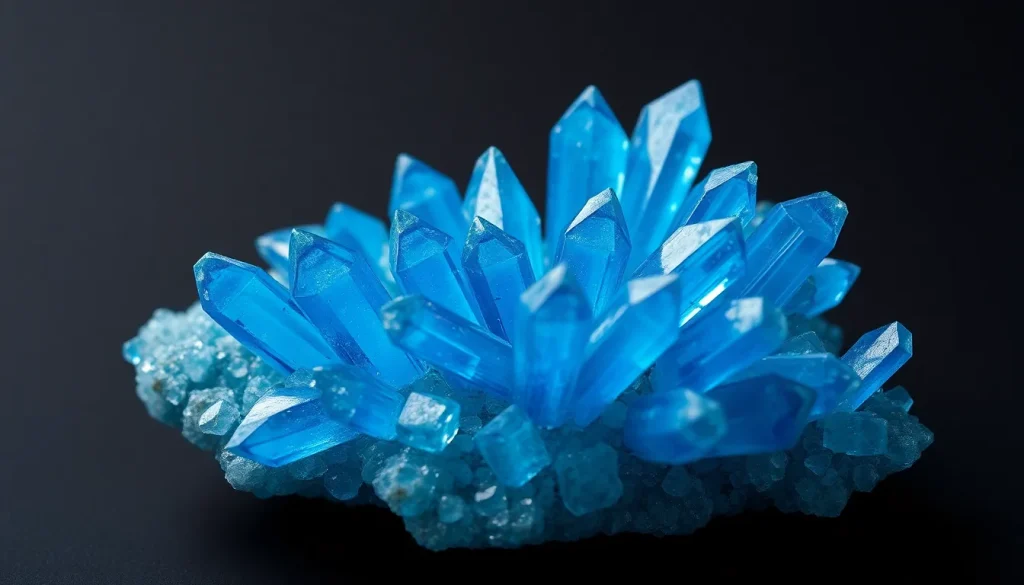
Linarite is a rare copper sulfate mineral noted for its striking azure‑blue to turquoise coloration. It crystallises in the monoclinic system, typically forming elongated, bladed or tabular crystals that display a brilliant adamantine to vitreous luster. Because of its vivid hue and limited availability, linarite is occasionally used in high‑end jewelry and is highly sought after by mineral collectors.
History and Origin
The mineral was first described in 1915 from the Linar mine in the Czech Republic, which gave the gemstone its name. Since then, linarite occurrences have been reported from several oxidised copper deposits worldwide, often forming as a secondary mineral in the weathering zone of copper ore bodies. Notable localities include the Czech Republic, Zambia, Morocco, the southwestern United States (Arizona), and Kazakhstan. Its formation requires the presence of copper, sulfate‑rich solutions, and a stable, humid environment that allows the mineral to hydrate.
Meaning and Symbolism
In traditional gemstone lore, linarite’s deep blue‑green shade is linked to communication, clarity, and emotional balance. It is said to encourage honest self‑expression and to aid in the articulation of inner truths. The copper component is sometimes associated with vitality and the heart’s energetic flow, lending the stone a reputation for fostering confidence and optimism.
Healing and Metaphysical Properties
Crystal‑healing practitioners attribute a range of metaphysical qualities to linarite. It is believed to stimulate the throat chakra, enhancing verbal articulation and creative expression. Some claim it assists in releasing emotional blockages, promoting calmness, and supporting the body’s natural detoxification processes. These beliefs are part of traditional spiritual practices and are not a substitute for medical treatment.
Varieties and Types
Linarite is generally encountered as a single mineral species, but variations in hue can occur depending on trace impurities and specific formation conditions. Specimens may range from a pure sky‑blue to a more green‑tinged turquoise. Occasionally, linarite crystals are found intergrown with other copper minerals such as malachite, azurite, or brochantite, creating striking composite specimens.
Jewelry Uses and Care
Because of its relatively low hardness (2.5–3 on the Mohs scale) and perfect cleavage, linarite is considered a delicate gemstone. It is most often set in protective settings such as bezel or channel styles that shield the stone from impact. When used in jewelry, linarite is best suited for pendants, earrings, and brooches that are not subjected to daily wear.
Care instructions:
- Handle with care; avoid knocks or drops.
- Clean gently with a soft, lint‑free cloth; avoid ultrasonic cleaners and harsh chemicals.
- Store separately from harder gemstones to prevent scratching.
- Because it is a hydrated mineral, prolonged exposure to dry heat can cause dehydration and loss of color.
Buying Guide
When purchasing linarite, consider the following factors:
- Color Saturation: Deep, uniform azure‑blue or turquoise hues are most valued.
- Clarity: Look for specimens free of surface scratches or fractures; internal inclusions are acceptable if they do not detract from overall beauty.
- Cut and Setting: Prefer protective settings that minimize exposure of the stone’s edges.
- Origin Documentation: Reputable dealers should provide provenance, especially for specimens from notable localities such as the Czech Republic or Zambia.
- Treatment Disclosure: Natural linarite is rarely treated, but any artificial stabilization or enhancement should be fully disclosed.
Given its rarity, authentic linarite can command premium prices, particularly for large, well‑formed crystals with vivid coloration. Always seek certification from a qualified gemological laboratory when possible.
FAQ
What is linarite good for?
Linarite is prized for its vivid blue‑green color in jewelry and collectors’ pieces; traditionally it is believed to aid communication and emotional balance, though these are spiritual beliefs, not medical facts.
Is linarite rare?
Yes, high‑quality linarite is relatively rare because it forms only in specific oxidised copper environments and is soft, making large, intact crystals uncommon.
How can you tell if linarite is real?
Authentic linarite displays a deep azure‑blue to turquoise hue, perfect cleavage, and a light‑blue streak. Professional testing, such as X‑ray diffraction or spectroscopy, can confirm its chemical composition.
What chakra is linarite associated with?
In crystal‑healing traditions linarite is linked to the throat chakra (Vishuddhi), supporting clear expression and communication.
How should you clean linarite?
Clean linarite gently with a soft, lint‑free cloth; avoid ultrasonic cleaners, harsh chemicals, and prolonged exposure to heat, as the mineral is soft (Mohs 2.5–3) and can dehydrate.
Leave a Reply