
Short Answer
Overview
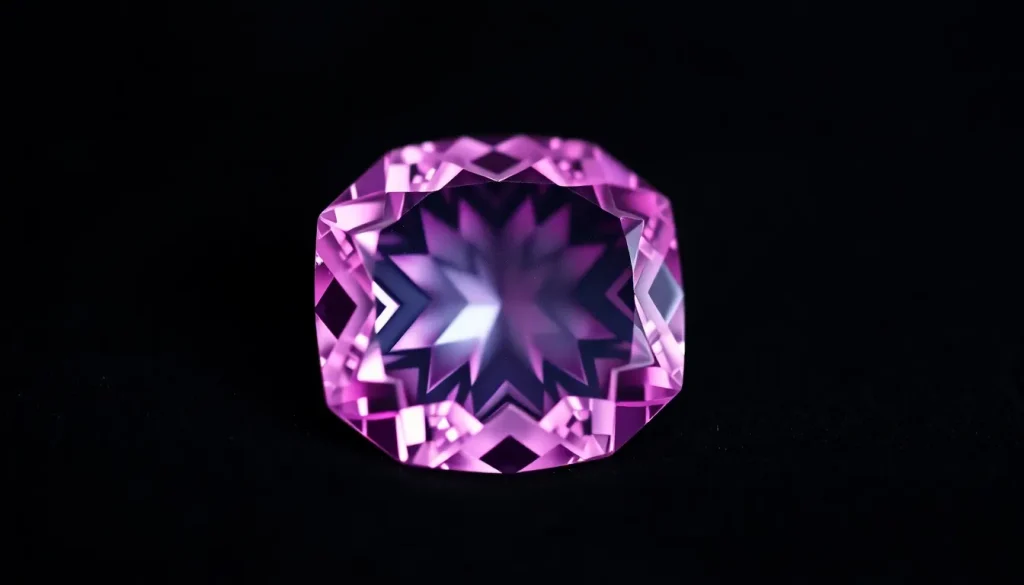
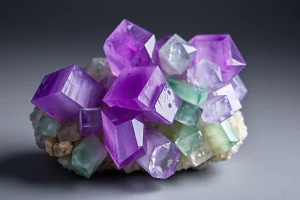
Kunzite is the pink to light‑violet variety of the lithium‑aluminum silicate mineral spodumene. It is valued for its delicate coloration, strong pleochroism, and good hardness, making it a popular gemstone in fine jewelry.
History and Origin
The name “Kunzite” honors American mineralogist George F. Kunz, who first described the pink spodumene crystals from the San Miguel Mine in California in 1902. Since then, significant deposits have been found in Afghanistan, Brazil, Madagascar, Mozambique, Pakistan, and other locations.
Meaning and Symbolism
Traditionally, kunzite is associated with love, compassion, and emotional healing. It is said to encourage the expression of the heart’s true feelings and to foster forgiveness and inner peace.
Healing and Metaphysical Properties
In crystal‑healing circles, kunzite is believed to calm the nervous system, reduce stress, and aid in emotional balance. Practitioners claim it supports the heart chakra, promotes self‑acceptance, and helps release old emotional patterns. These claims are not scientifically verified.
Varieties and Types
Kunzite occurs in several color ranges, from pale pink to deep violet, often displaying pleochroism (different colors when viewed from different angles). Untreated stones are prized, while some specimens are heat‑treated to enhance or stabilize color.
Jewelry Uses and Care
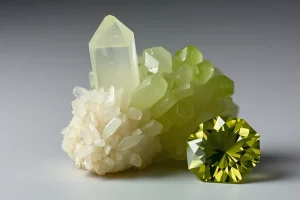
Because of its hardness of 6.5–7 on the Mohs scale, kunzite can be cut into faceted gems suitable for rings, pendants, earrings, and bracelets. It has perfect cleavage in one direction, so cutters must orient the stone carefully. Care instructions include:
- Clean with warm, soapy water and a soft brush; avoid ultrasonic cleaners.
- Store separately from softer stones to prevent scratching.
- Protect from sudden temperature changes, which can cause fracturing.
- If the stone has been heat‑treated, avoid prolonged exposure to high heat.
Buying Guide
When purchasing kunzite, consider the following factors:
- Color and Pleochroism: Look for a vivid, evenly distributed pink‑violet hue with noticeable pleochroism.
- Clarity: Inclusions are common; however, eye‑clean stones command higher prices.
- Cut and Proportion: Well‑cut stones display maximum brilliance and minimize cleavage‑related risks.
- Treatment Disclosure: Ask the dealer if the stone has been heat‑treated or irradiated.
- Certification: A reputable gemological report (GIA, IGI, etc.) provides assurance of authenticity.
Buying from reputable sources and requesting a certification will help ensure you acquire a genuine, high‑quality kunzite.
FAQ
What is kunzite good for?
Kunzite is valued for its delicate pink‑violet color and pleochroism, making it popular in fine jewelry. Traditionally, it is believed to promote love, emotional balance, and stress relief, though these effects are not scientifically proven.
Is kunzite rare?
High‑quality kunzite with vivid color and good clarity is relatively rare, especially untreated stones. The rarity depends on locality, color saturation, and whether the gem has been heat‑treated.
How can you tell if kunzite is real?
Real kunzite displays a high refractive index (≈1.66) and strong pleochroism. A professional gemological test, such as spectroscopy or a GIA report, is recommended for definitive identification.
What chakra is kunzite associated with?
In crystal‑healing traditions, kunzite is most commonly linked to the Heart chakra, though some practitioners also associate it with the Third Eye chakra.
How should you clean kunzite?
Clean kunzite with warm, soapy water and a soft brush. Avoid ultrasonic cleaners, steam cleaning, and harsh chemicals. Store it separately from softer stones and protect it from sudden temperature changes.
Leave a Reply