
Short Answer
Overview
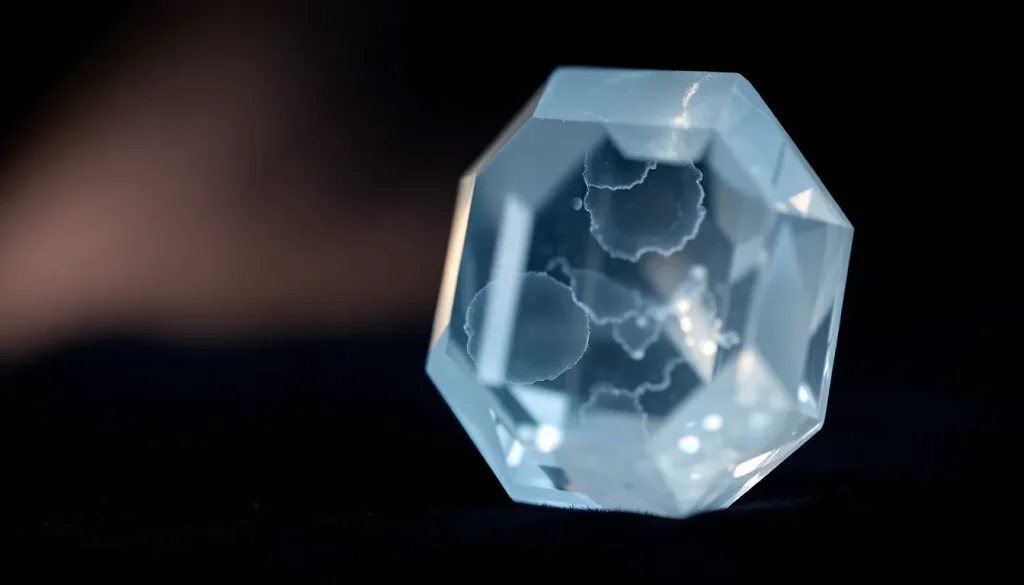
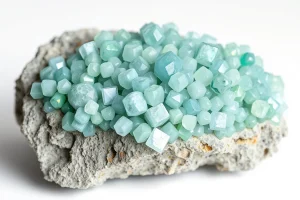
Jeremejevite is a rare, naturally occurring aluminum borate mineral that is occasionally cut as a gemstone. Its chemical composition is typically expressed as Al6(BO3)5(OH)5F, although the ratio of hydroxyl to fluorine can vary. The stone is most valued for its high clarity, vitreous luster, and a color palette that ranges from colorless to pale yellow, light blue, green, and pink. With a Mohs hardness of 6.5–7.5, Jeremejevite is suitable for certain types of jewelry, though its relative scarcity makes it a collector’s gem as well as a decorative stone.
History and Origin
The mineral was first described in 1883 by Russian mineralogist G. N. Jeremejev, after whom it is named. The type locality is the Ural Mountains of Russia, where the first documented specimens were found in granitic pegmatites. Later discoveries extended to other localities, most notably Namibia (the most prolific source of gem-quality material), Madagascar, Brazil, and Pakistan. Historically, Jeremejevite was of interest mainly to mineral collectors; its use as a gemstone emerged in the late 20th century when faceted stones of sufficient clarity and color entered the market.
Meaning and Symbolism
In traditional gemstone lore, Jeremejevite is associated with clarity of thought, inner vision, and personal transformation. Its near‑colorless appearance is said to symbolize purity and the potential for hidden inner brilliance to emerge. Collectors often view the stone as a marker of rarity and personal distinction, reflecting a wearer’s appreciation for unique natural beauty.
Healing and Metaphysical Properties
Crystal‑healing practitioners attribute several metaphysical qualities to Jeremejevite. It is believed to enhance mental clarity, aid in decision‑making, and support the development of intuition. Some traditions associate the stone with the crown or third‑eye chakras, suggesting it can facilitate spiritual insight and higher‑frequency communication. These claims are based on longstanding folklore and are not supported by scientific evidence; they should not be considered medical advice.
Varieties and Types
Jeremejevite occurs in several color varieties, each reflecting trace impurities or variations in the hydroxyl‑fluorine balance:
- Colorless (white) – the most common and often the most valued for its brilliance.
- Pale yellow – caused by trace iron or manganese.
- Light blue – the result of copper or cobalt impurities.
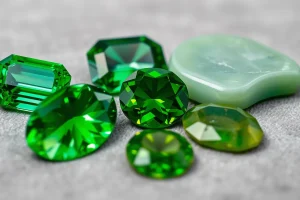
- Green – typically a very rare hue, linked to nickel or vanadium.
- Pink – extremely rare, associated with manganese.
Specimens may also display a faint fluorescence under ultraviolet light, though this characteristic is not a reliable identification tool.
Jewelry Uses and Care
Because of its hardness (6.5–7.5) and lack of natural cleavage, Jeremejevite can be set in rings, pendants, earrings, and brooches. However, the stone’s relative brittleness compared to harder gems (e.g., sapphire) means that:
- Protective settings such as bezel or prong with a low profile are recommended.
- Designs should avoid deep pits or high‑impact areas.
Cleaning: Use warm, soapy water and a soft brush or a microfiber cloth. Avoid ultrasonic cleaners and harsh chemicals, as they may affect surface polish or any untreated surface inclusions. Store Jeremejevite separately from harder stones to prevent scratching.
Buying Guide
When purchasing Jeremejevite, consider the following factors:
- Color and clarity: Colorless or lightly tinted stones with high transparency command premium prices.
- Cut: Well‑cut facets that maximize brilliance are essential; a shallow cut may diminish the stone’s natural sparkle.
- Origin: Namibian material is most common, but provenance from other localities can affect value.
- Treatment: Jeremejevite is rarely treated, but confirm with the seller that the stone is natural and untreated.
- Certification: Request a gemological report from a reputable laboratory (e.g., GIA, IGI) to verify authenticity and identify any treatments.
Because of its rarity, expect higher per‑carat prices for larger, high‑quality specimens. Purchasing from reputable dealers who provide clear return policies and certification will help ensure a satisfactory acquisition.
FAQ
What is Jeremejevite good for?
Jeremejevite is prized for its high clarity and subtle colors, making it suitable for fine jewelry and gemstone collections. Traditionally, it is also associated with mental clarity and spiritual insight in crystal‑healing beliefs.
Is Jeremejevite rare?
Yes. Gem‑quality Jeremejevite is rare because it forms in limited localities and only a small proportion of specimens are large enough and clear enough for faceting. Rarity increases with desirable colors such as colorless or light blue.
How can you tell if Jeremejevite is real?
Authentic Jeremejevite exhibits a high refractive index (1.66–1.73), vitreous luster, and no cleavage. Professional testing with a gemological microscope, refractometer, and spectroscopy can confirm its identity. Always seek a certified report for valuable pieces.
What chakra is Jeremejevite associated with?
Crystal‑healing traditions sometimes link Jeremejevite to the crown or third‑eye chakras, reflecting its purported ability to enhance intuition and higher‑level thinking. No single standard chakra association is universally accepted.
How should you clean Jeremejevite?
Clean Jeremejevite gently with warm, soapy water and a soft brush or microfiber cloth. Avoid ultrasonic cleaners, harsh chemicals, and extreme heat. Store the stone separately from harder gems to prevent scratching.
Leave a Reply