
Short Answer
Overview
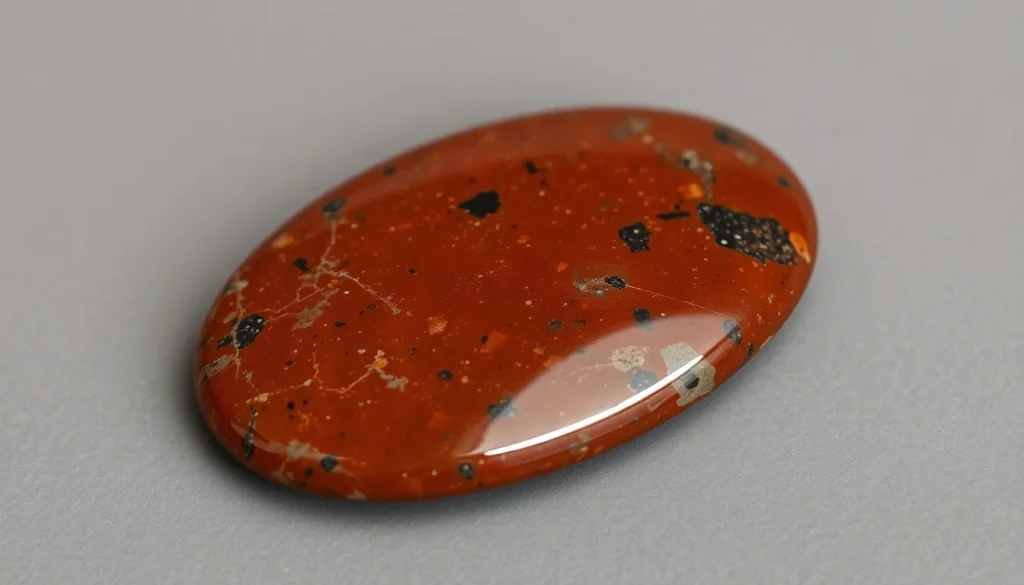
Jasper is an opaque, impure variety of chalcedony, a microcrystalline form of quartz (silicon dioxide). Its characteristic colors and patterns result from mineral impurities such as iron oxides, clay, and other trace elements. Jasper occurs in a wide range of hues, from deep reds and yellows to greens, browns, and multicolored mosaics, and is most often found in massive, compact forms rather than crystals.
History and Origin
Jasper has been used by humans for thousands of years. Archaeological sites in the Near East and the Indus Valley have yielded polished jasper beads dating to the Neolithic period. In ancient Egypt, jasper was carved into scarabs and amulets, while the Romans valued it for mosaics and signet rings. Modern commercial mining began in the 19th century, with major sources developing in the United States (Wyoming, Idaho), Brazil, India, Madagascar, and Russia.
Meaning and Symbolism
Traditional folklore attributes grounding, stability, and protective qualities to jasper. It is often called the “stone of endurance” because of its durability and earthy colors. Cultures have used jasper as a talisman for safe travel, to promote courage in battle, and to foster a sense of calm during stressful situations.
Healing and Metaphysical Properties
Within crystal‑healing belief systems, jasper is said to balance the physical and emotional bodies. Practitioners claim it can aid in detoxification, strengthen the immune system, and enhance stamina. It is associated with the root chakra, which is linked to grounding and survival instincts. These statements reflect traditional beliefs and are not intended as medical advice.
Varieties and Types
Jasper is classified primarily by color and pattern. Notable varieties include:
- Red Jasper – rich, uniform red caused by iron oxide.
- Picture Jasper – detailed, landscape‑like scenes formed by mineral inclusions.
- Leopard Skin Jasper – mottled brown and black spots reminiscent of leopard fur.
- Ocean Jasper – rounded, sea‑foam‑like nodules from Madagascar.
- Green Jasper – green hues from chlorite or epidote inclusions.
Each variety shares the same basic mineral composition but differs in trace elements and formation conditions.
Jewelry Uses and Care
Because of its hardness (6.5–7 on the Mohs scale) and resistance to scratching, jasper is suitable for rings, pendants, earrings, and cabochons. It is often set in silver or gold settings that complement its earthy tones. When caring for jasper jewelry:
- Clean with warm, soapy water and a soft brush; avoid harsh chemicals.
- Dry with a lint‑free cloth; do not expose to prolonged ultrasonic cleaning.
- Store separately from softer gemstones to prevent abrasion.
Polished surfaces may develop a light sheen over time, which many collectors consider part of the stone’s character.
Buying Guide
When selecting jasper, consider the following factors:
- Color and Pattern: Choose a hue and design that appeals to you; natural patterns are unique and cannot be replicated.
- Clarity: Jasper is opaque, but excessive cracks or inclusions that compromise structural integrity should be avoided.
- Cut and Finish: Well‑polished cabochons display the stone’s depth of color; matte finishes are common for ornamental objects.
- Treatment Disclosure: Some jasper is dyed or heat‑treated to enhance color. Reputable dealers will disclose any treatments.
- Certification: For high‑value pieces, a gemological report from an accredited laboratory (e.g., GIA) can verify authenticity.
Purchasing from established retailers or certified gem dealers reduces the risk of misidentified or artificially enhanced stones.
FAQ
What is jasper good for?
Jasper is prized for its durability and striking colors, making it suitable for rings, beads, and decorative objects. Traditionally, it is also regarded as a grounding stone in crystal‑healing practices.
Is jasper rare?
Jasper is relatively common worldwide, but high‑quality, vividly patterned specimens—especially from renowned localities—can be scarce and more valuable.
How can you tell if jasper is real?
Real jasper feels heavy for its size, shows a uniform opaque texture, and lacks the glassy shine of dyed glass. A professional gemologist can confirm authenticity with refractive index, specific gravity, and microscopy tests.
What chakra is jasper associated with?
In traditional crystal‑healing belief, jasper is linked to the Root (Muladhara) chakra, supporting grounding and stability.
How should you clean jasper?
Clean jasper with warm, mildly soapy water and a soft brush. Rinse thoroughly, pat dry with a lint‑free cloth, and avoid ultrasonic cleaners or harsh chemicals that could affect any surface treatments.
Leave a Reply