
Short Answer
Overview
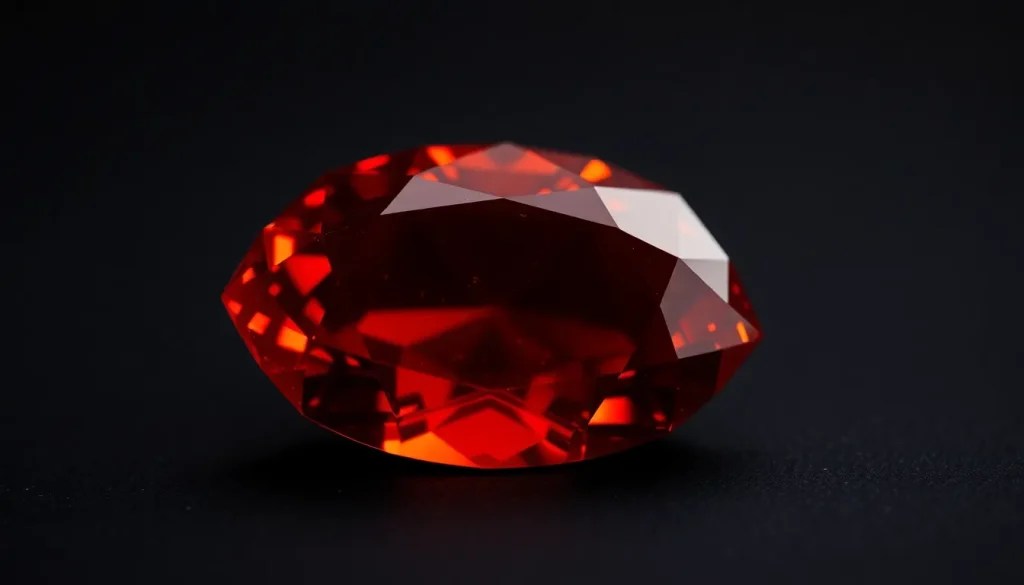
Jacinth is a vivid orange‑red to reddish‑brown gemstone belonging to the garnet group. It is most commonly associated with the almandine‑pyrope series, where iron and manganese give the stone its characteristic warm hue. With a Mohs hardness of 6.5–7.5 and a high refractive index, jacinth is both durable and brilliant, making it a popular choice for rings, pendants, and high‑end jewelry.
History and Origin
The name “jacinth” originates from the ancient Hebrew word yāqīn, historically used to describe a precious red stone mentioned in biblical texts. In the 19th century, mineralogists identified jacinth as a variety of garnet, distinguishing it from other red stones such as ruby. Major historic sources include Sri Lanka (formerly Ceylon), where the stone was mined and exported to Europe, and later discoveries in Tanzania, Mozambique, Brazil, Madagascar, and Pakistan.
Meaning and Symbolism
Traditionally, jacinth has been linked to vitality, courage, and personal power. Its intense colour is thought to inspire confidence and protect the wearer from negativity. In some cultures, it symbolises the fire of the sun and is given as a token of love and devotion.
Healing and Metaphysical Properties
Within crystal‑healing circles, jacinth is believed to stimulate the root chakra, grounding energy and fostering a sense of security. Practitioners claim it can boost physical stamina, aid blood circulation, and support emotional balance. These attributes are based on traditional beliefs and should not replace professional medical advice.
Varieties and Types
Jacinth is often identified with the following garnet varieties:
- Spessartine – manganese‑rich garnet with a bright orange‑red hue.
- Almandine‑Pyrope Mix – iron‑rich garnet that leans toward deeper reddish‑brown tones.
- Orange Garnet – a trade name used for high‑quality, uniformly coloured specimens.
All share the same garnet crystal structure but differ in chemical composition, which subtly influences colour saturation and clarity.
Jewelry Uses and Care
Because of its hardness and resistance to scratches, jacinth is suitable for everyday wear in rings, bracelets, and earrings. However, it can exhibit a conchoidal fracture, so setting the stone securely is essential. Cleaning recommendations:
- Use warm, soapy water and a soft brush.
- Avoid ultrasonic cleaners if the stone has been treated or has surface inclusions.
- Dry with a lint‑free cloth; store separately to prevent scratching.
Buying Guide
When selecting jacinth, consider the following factors:
- Colour Saturation: Deep, uniform orange‑red hues are most valued.
- Clarity: Inclusions are common; eye‑clean stones command higher prices.
- Cut: Well‑proportioned cuts enhance brilliance and disclose the stone’s natural fire.
- Treatment Disclosure: Some jacinths are heat‑treated to improve colour; reputable dealers should disclose any enhancements.
Request a certificate from a recognized gemological laboratory (e.g., GIA) for assurance of authenticity and any treatments.
FAQ
What is jacinth good for?
Jacinth is prized for its vivid orange‑red color and durability, making it ideal for fine jewelry. Traditionally, it is also associated with confidence, grounding, and protection in crystal‑healing practices.
Is jacinth rare?
High‑quality, deep‑color jacinth is less common than other garnet colors, especially when free of inclusions and untreated. Its rarity depends on locality, color saturation, and whether the stone has been enhanced.
How can you tell if jacinth is real?
Real jacinth exhibits a high refractive index (≈1.73–1.76), a cubic crystal habit, and a specific gravity of 4.0–4.5. Professional testing, such as a gemological report, confirms authenticity and any treatments.
What chakra is jacinth associated with?
In traditional chakra beliefs, jacinth is linked to the Root (Muladhara) chakra, supporting grounding and stability.
How should you clean jacinth?
Clean jacinth with warm, soapy water and a soft brush. Avoid ultrasonic cleaners if the stone is treated or has surface inclusions, and always dry with a lint‑free cloth.
Leave a Reply