
Short Answer
Overview
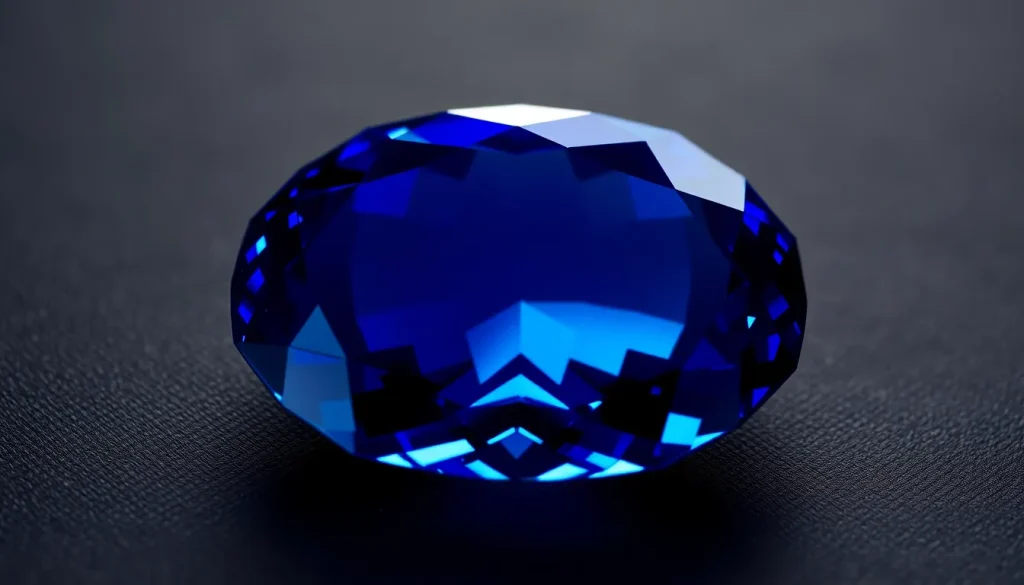
Indicolite is the blue to indigo‑colored variety of the tourmaline group. It belongs to the cyclosilicate family and is noted for its strong pleochroism, ranging from pale sky‑blue to deep sapphire. With a Mohs hardness of 7–7.5, it is suitable for many types of jewelry while retaining a high level of brilliance due to its vitreous luster.
History and Origin
The name “indicolite” derives from the Latin indicolus meaning “indigo‑blue.” Historically, blue tourmaline was prized in Europe during the 18th and 19th centuries, often cut into cabochons for ornamental objects. Major sources of high‑quality indigolite include Brazil (especially Minas Gerais), Mozambique, Afghanistan, Pakistan, Madagascar, and Nigeria. These localities produce a range of shades, from light turquoise to deep navy, depending on trace element chemistry.
Meaning and Symbolism
In traditional gemstone lore, indigolite symbolizes communication, truth, and inner clarity. Its blue hue is associated with calmness and the ability to express thoughts without distortion. Many cultures view it as a stone that fosters honest dialogue and helps the wearer articulate emotions.
Healing and Metaphysical Properties
Within crystal‑healing circles, indigolite is believed to support the throat chakra, encouraging clear speech and self‑expression. Practitioners also associate it with the third eye chakra, claiming it can aid intuition and mental focus. These are traditional beliefs and not medical facts; the stone should not replace professional health care.
Varieties and Types
Indicolite is not a single mineral but a color variety of tourmaline. The primary distinctions are:
- Sky‑blue indigolite – Light, almost pastel blue, often found in Brazil.
- Turquoise indigolite – A greener‑blue shade, common in Mozambique.
- Deep indigo indigolite – Dark, saturated blue, typical of Afghan and Pakistani deposits.
All share the same chemical composition but differ in trace elements such as iron, manganese, and vanadium, which influence hue.
Jewelry Uses and Care
Because of its hardness and resistance to scratching, indigolite is frequently set in rings, earrings, pendants, and watch bezels. It can be faceted, cabochon‑cut, or used as a decorative inlay. Care recommendations include:
- Clean with mild soap and warm water; avoid harsh chemicals.
- Use a soft brush or a microfiber cloth to remove debris.
- Do not expose to prolonged high heat; while heat‑stable, sudden temperature changes can cause micro‑fractures.
- Store separately from softer gemstones to prevent scratching.
Buying Guide
When purchasing indigolite, consider the following factors:
-
- Color intensity – Deep, evenly saturated blues are generally more valuable.
n
- Clarity – Inclusions are common; a clean interior enhances brilliance.
- Cut – Well‑cut stones display strong pleochroism, a hallmark of quality tourmaline.
- Treatment disclosure – Some blue tourmalines are heat‑treated to enhance color; reputable dealers will disclose any treatment.
- Certification – Seek a GIA, IGI, or equivalent gemstone report for high‑value pieces.
Because supply varies by locality, price can fluctuate. Authentic, untreated deep‑indigo specimens from renowned mines (e.g., Brazil’s Minas Gerais) command premium prices, whereas lighter or treated stones are more affordable.
FAQ
What is Indicolite good for?
Indicolite is prized for its vivid blue color in jewelry and is traditionally associated with clear communication and emotional balance. In crystal‑healing circles, it is believed to help with throat‑chakra work and mental focus, though these are not medical claims.
Is Indicolite rare?
High‑quality, deep‑blue indigolite is relatively rare, especially untreated specimens from renowned localities. Lighter or heat‑treated versions are more common, so rarity depends on color intensity, clarity, and treatment status.
How can you tell if Indicolite is real?
Real indigolite will exhibit a hardness of 7–7.5, a vitreous luster, and characteristic pleochroism. A professional gemologist can verify authenticity using refractive index, specific gravity, and spectroscopic analysis. Look for certification from reputable labs.
What chakra is Indicolite associated with?
Traditional crystal‑healing belief links indigolite primarily to the Throat chakra, with secondary associations to the Third Eye chakra, supporting communication and intuition.
How should you clean Indicolite?
Clean indigolite with warm, soapy water and a soft brush or microfiber cloth. Avoid ultrasonic cleaners if the stone has been treated, and keep it away from harsh chemicals and extreme heat.
Leave a Reply