
Short Answer
Overview
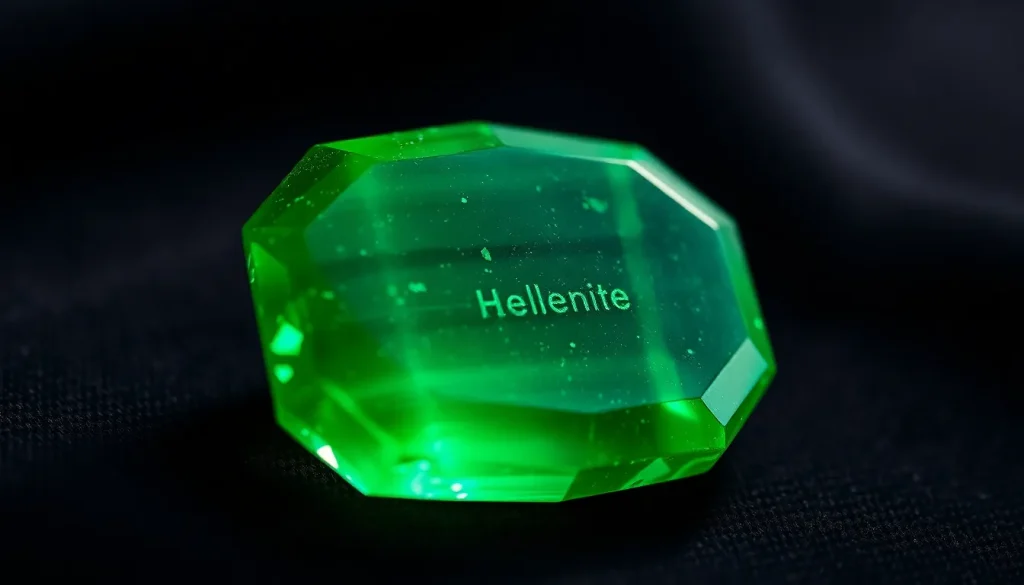
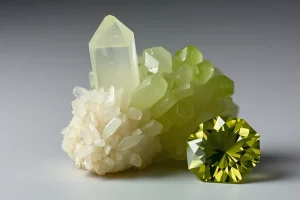
Helenite is an amorphous silica glass produced primarily from the volcanic ash of the 1980 eruption of Mount St. Helens in Washington State, USA. Because it lacks a crystal lattice, Helenite is technically a glass rather than a mineral, but it is widely marketed as a gemstone. The material can be found in a range of colors—most commonly green, aqua, amber, and brown—depending on the natural composition of the ash and any post‑production treatments such as heat or dye.
History and Origin
The catastrophic eruption of Mount St. Helens on May 18, 1980 deposited millions of tons of ash and pumice across the Pacific Northwest. Early collectors salvaged the ash, which solidified into a natural volcanic glass. In the 1980s, Czech and Slovak glassmakers began melting the ash with additional silica and metal oxides to create a stable, marketable product. The resulting glass was named “Helenite” after the mountain. Today, most Helenite on the market is laboratory‑grown using the same basic composition, ensuring consistent color and quality.
Meaning and Symbolism
Traditional gemstone lore associates Helenite with resilience and transformation. Because it originates from a violent eruption that gave way to new life, the stone is said to symbolize fresh beginnings, personal growth, and the ability to turn adversity into beauty. Green Helenite, in particular, is linked to renewal and the heart’s capacity for compassion.
Healing and Metaphysical Properties
Within crystal‑healing circles, Helenite is believed to promote emotional balance, encourage forgiveness, and aid in releasing past hurts. Practitioners often place it on the heart chakra to foster love and empathy. Some also use Helenite for grounding during meditation, though these claims are not supported by scientific evidence and should not replace professional medical advice.
Varieties and Types
- Natural volcanic glass – Rare specimens directly sourced from Mount St. Helens ash, usually brown to amber.
- Laboratory‑grown Helenite – The most common commercial product, produced by melting silica with trace oxides to achieve desired colors.
- Dyed or heat‑treated Helenite – Enhances or alters color; common shades include vivid emerald green, teal, and golden amber.
Jewelry Uses and Care
Helenite’s affordable price and attractive colors make it popular for pendants, earrings, bracelets, and cocktail rings. Its hardness of roughly 5.5–6.5 on the Mohs scale means it can be scratched by harder gemstones such as quartz or topaz. Care recommendations:
- Clean with warm, soapy water and a soft brush; avoid ultrasonic cleaners.
- Store separately from harder stones to prevent abrasion.
- Avoid prolonged exposure to high heat or harsh chemicals, which can alter the surface polish.
Buying Guide
When purchasing Helenite, consider the following:
- Source verification – Reputable dealers will disclose whether the stone is natural volcanic glass or laboratory‑grown.
- Color consistency – Uniform hue without cloudy inclusions usually indicates good quality.
- Cut and polish – Well‑faceted pieces display bright luster; avoid stones with dull or uneven surfaces.
- Pricing – Because Helenite is synthetic, prices are modest; unusually high rates may signal misrepresentation.
For valuable pieces, request a gem‑ological report that includes refractive index, specific gravity, and any treatments applied.
FAQ
What is Helenite good for?
Helenite is popular for affordable, colorful jewelry and is traditionally believed to support emotional healing and new beginnings, though these claims are spiritual rather than medical.
Is Helenite rare?
Natural volcanic glass from Mount St. Helens is rare, but the vast majority of Helenite on the market is laboratory‑grown, making it widely available and inexpensive.
How can you tell if Helenite is real?
Real Helenite feels like glass, has a Mohs hardness around 5.5–6.5, and shows a uniform vitreous luster. Professional testing (refractive index, specific gravity) can confirm authenticity and distinguish it from other glass or quartz imitations.
What chakra is Helenite associated with?
In crystal‑healing traditions Helenite is often linked to the Heart chakra, though there is no single standard chakra assignment.
How should you clean Helenite?
Clean Helenite with warm, mildly soapy water and a soft brush. Avoid ultrasonic cleaners, harsh chemicals, and high heat, as the stone can scratch or lose polish.
Leave a Reply