
Short Answer
Overview
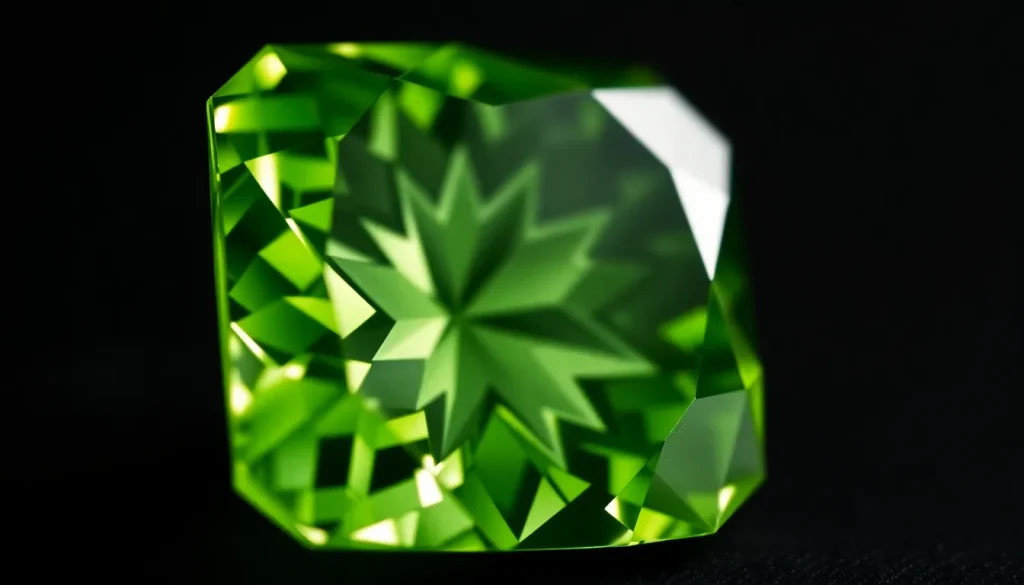
Gahnite is a member of the spinel group with the chemical formula ZnAl₂O₄. It is an oxide mineral that typically occurs in a range of colors, the most valued being vivid green, but also brown, black, and yellow. With a Mohs hardness of 7.5‑8 and a vitreous luster, gahnite is suitable for use in jewelry, especially as a cabochon or faceted stone in rings, pendants, and earrings.
History and Origin
The mineral was first described in 1868 from specimens collected in the Harz Mountains of Germany. It was named in honor of the German mineralogist Wilhelm Gahn (1817‑1889), who made significant contributions to the study of zinc ores. Naturally occurring gahnite is found in zinc‑rich metamorphic and skarn deposits worldwide. Notable localities include Australia (New South Wales), Namibia, Tanzania, the United States (Arizona), Russia (Ural Mountains), and Canada (Ontario).
Meaning and Symbolism
In traditional gemstone lore, gahnite is associated with renewal, growth, and the heart’s capacity for compassion. Its green tones symbolize vitality and the natural world, while darker varieties are thought to provide protection and grounding. The stone is occasionally linked to the concept of “inner strength,” making it a popular talisman for those seeking emotional balance.
Healing and Metaphysical Properties
Crystal‑healing practitioners attribute the following properties to gahnite. These are based on belief systems and are not medical facts:
- Heart Chakra – Believed to open and balance the heart center, encouraging love and forgiveness.
- Emotional Healing – Said to assist in releasing old emotional patterns and fostering personal growth.
- Physical Support – Traditional claims suggest assistance with the circulatory system and detoxification, though no scientific evidence supports these uses.
Practitioners often place a polished piece of gahnite on the chest during meditation or wear it as jewelry to keep its energy close.
Varieties and Types
Gahnite occurs in several color varieties, each with distinct collector interest:
- Green Gahnite – The most sought‑after hue, ranging from pale olive to deep emerald‑like green.
- Yellow to Chocolate – Warm golden to brown shades, sometimes referred to as “citrine‑like” gahnite.
- Black Gahnite – Opaque, deep‑black stones used mainly for ornamental purposes.
- Brownish‑Black (Tanzanian) Gahnite – Often displays a mottled appearance and is valued for its rarity.
Gem‑quality specimens are usually transparent to translucent, well‑formed, and free of inclusions. Lower‑grade material is commonly used as a collector’s mineral specimen rather than in jewelry.
Jewelry Uses and Care
Because of its hardness and relatively high specific gravity, gahnite can be cut into a variety of shapes, including brilliant cuts, oval cabochons, and beads. It is resistant to scratching but can be susceptible to cleavage‑like fractures if struck sharply. Recommended care includes:
- Cleaning with warm, soapy water and a soft brush; avoid harsh chemicals.
- Drying with a lint‑free cloth; do not expose to prolonged ultrasonic cleaning.
- Storing separately from softer gemstones to prevent surface abrasion.
- Inspecting settings regularly for loose prongs, especially in rings.
When treated, some gahnite stones are heat‑enhanced to improve color saturation. Such treatments should be disclosed by reputable sellers.
Buying Guide
Prospective buyers should consider the following criteria:
- Color Saturation – Deep, uniform green or vivid yellow are premium qualities.
- Clarity – Inclusions that obscure transparency lower value; eye‑clean stones command higher prices.
- Cut and Faceting – Well‑cut stones display strong brilliance; poor cuts diminish visual appeal.
- Origin Disclosure – Reputable dealers provide provenance and any treatment information.
- Certification – For high‑value pieces, a gemological laboratory report (e.g., GIA, IGI) confirms authenticity.
Because gahnite is relatively rare in gem‑quality form, price varies widely. Expect higher costs for vivid green stones from classic localities such as Namibia or Australia.
FAQ
What is gahnite good for?
Gahnite is valued for its durability and attractive green to brown colors, making it suitable for jewelry. Traditionally, it is believed to promote emotional balance and heart‑centered healing, though these claims are not medically verified.
Is gahnite rare?
High‑quality, vividly colored gahnite is relatively rare. While the mineral occurs worldwide, gem‑grade stones with deep green or bright yellow hues are limited, especially from well‑known localities such as Namibia or Australia.
How can you tell if gahnite is real?
Real gahnite feels heavy for its size (specific gravity ~4.6) and has a vitreous luster. A refractive index test (≈1.79‑1.80) and hardness test (7.5‑8) can differentiate it from glass or synthetic spinels. For certainty, obtain a gemological laboratory report.
What chakra is gahnite associated with?
In crystal‑healing traditions, gahnite is most often linked to the Heart (Anahata) chakra, where it is said to foster love, compassion, and emotional renewal.
How should you clean gahnite?
Clean gahnite with warm soapy water and a soft brush, then rinse and pat dry with a lint‑free cloth. Avoid ultrasonic cleaners, harsh chemicals, and prolonged exposure to extreme heat, as these can affect surface luster or any heat‑treatment applied.
Leave a Reply