
Short Answer
Overview
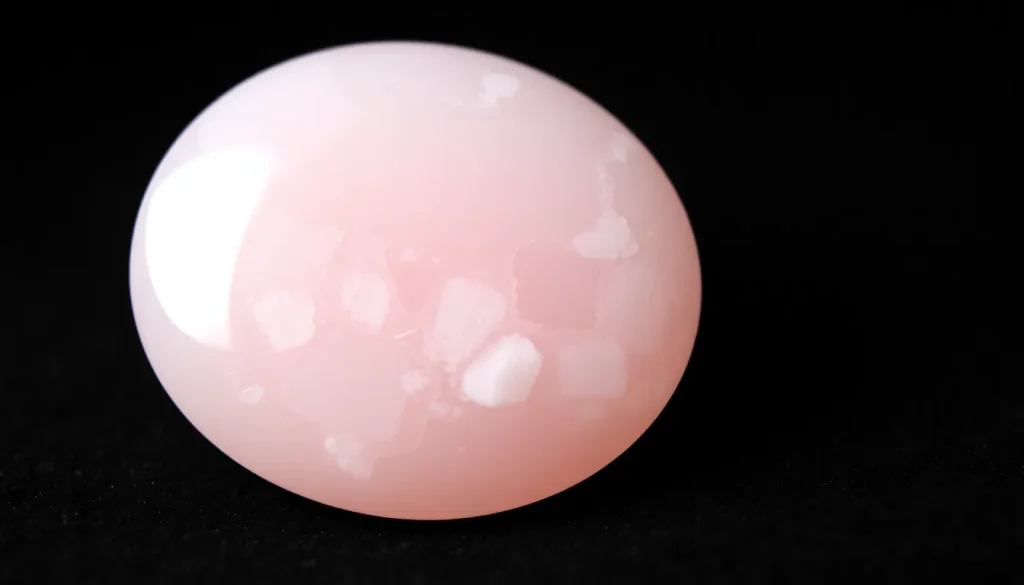
Dolomite is a carbonate mineral composed of calcium magnesium carbonate (CaMg(CO3)2). In its gem‑quality form it appears as transparent to translucent crystals that range from colorless and white to shades of gray, pink, and salmon. Although not as hard as quartz, dolomite is occasionally cut as a cabochon or faceted stone for jewelry and ornamental purposes.
History and Origin
The mineral was first described in 1791 by French geologist Déodat de Dolomieu, after whom the stone is named. Naturally occurring dolomite forms in sedimentary environments where magnesium‑rich waters alter limestone, a process called dolomitization. Significant dolomite deposits are found worldwide, including the United States (Kentucky, Dolomite, and Illinois), Italy, China, Mexico, Slovenia, and Canada.
Meaning and Symbolism
In traditional gemstone lore, dolomite is considered a stone of calm and emotional balance. It is said to soothe tension, encourage self‑acceptance, and promote a gentle confidence. Because of its muted colors, dolomite is often associated with understated elegance and natural beauty.
Healing and Metaphysical Properties
Crystal‑healing practitioners attribute a range of metaphysical qualities to dolomite. It is believed to aid in emotional healing, particularly in releasing grief and past trauma. Some claim it supports the heart chakra, fostering compassion and forgiveness. These properties are based on tradition and belief, not on scientific evidence, and should not replace professional medical advice.
Varieties and Types
Dolomite occurs in several visual varieties, most of which are distinguished by color and crystal habit:
- White Dolomite: Clear to milky white, often used in decorative carving.
- Pink or Salmon Dolomite: Displays a delicate pink hue caused by trace iron or manganese.
- Gray Dolomite: Ranges from light gray to deep charcoal, sometimes exhibiting a metallic sheen.
- Brown Dolomite: Contains organic impurities that give a chocolate‑brown tone.
Most gem‑quality specimens are cut as cabochons to showcase the stone’s natural translucency.
Jewelry Uses and Care
Because dolomite ranks 3.5–4 on the Mohs hardness scale, it is best suited for pieces that are not subject to heavy wear, such as pendants, earrings, and brooches. When setting dolomite, protect it from hard impacts and avoid exposure to acidic environments that can accelerate surface dulling.
Cleaning: Use warm, soapy water and a soft brush. Rinse thoroughly and pat dry with a lint‑free cloth. Ultrasonic cleaners are not recommended, as the vibrations may cause fractures.
Storage: Store dolomite separately from harder gemstones like quartz or sapphire to prevent scratching. A padded jewelry box or a fabric pouch works well.
Buying Guide
When selecting dolomite, consider the following factors:
- Color and Clarity: Look for even coloration without heavy inclusions. Pink and white specimens are most prized.
- Cut: Well‑cut cabochons or facets that enhance translucency are preferable.
- Origin: Reputable sources often disclose the mining locality. Dolomite from known deposits (e.g., Italy, United States) tends to have consistent quality.
- Treatment Disclosure: Some stones are heat‑treated to improve color; ask the dealer for full disclosure.
- Certification: For high‑value pieces, request a gemological report from a recognized laboratory such as GIA or IGI.
Because dolomite is relatively soft, it is generally more affordable than many traditional gemstones. However, high‑quality, vivid pink specimens can command premium prices.
FAQ
What is dolomite good for?
Dolomite is valued for its gentle pastel colors in jewelry and decorative objects. Traditionally it is believed to promote emotional balance and heart‑centered compassion, though these effects are not scientifically proven.
Is dolomite rare?
Dolomite is common as a bulk mineral, but gem‑quality specimens with vivid color and good clarity are less common. Rarity depends on color, size, and absence of fractures.
How can you tell if dolomite is real?
Real dolomite has a Mohs hardness of 3.5–4, a white streak, and perfect rhombohedral cleavage. It may be distinguished from similar stones like calcite by its slightly higher hardness and double refraction. Professional gemological testing provides definitive verification.
What chakra is dolomite associated with?
In crystal‑healing traditions dolomite is commonly linked to the Heart (Anahata) chakra, where it is said to encourage love, forgiveness, and emotional healing.
How should you clean dolomite?
Clean dolomite with warm, mildly soapy water and a soft brush. Rinse well and dry with a lint‑free cloth. Avoid ultrasonic cleaners and harsh chemicals, as the stone is relatively soft and can be damaged by strong vibrations or acids.
Leave a Reply