
Short Answer
Overview
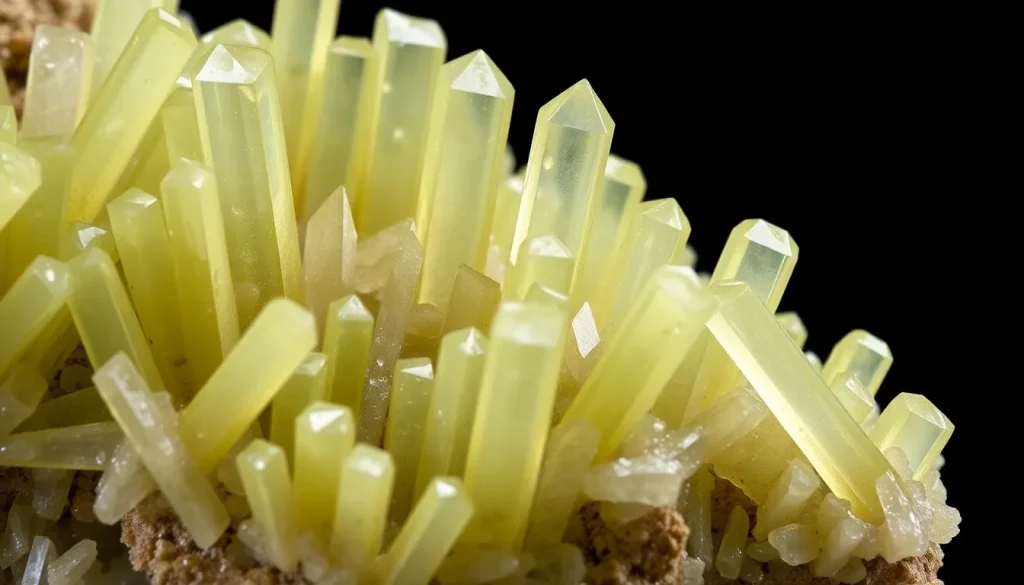
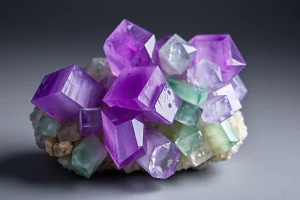
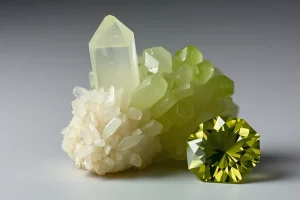
Dickinsonite is a hydrated zinc‑iron phosphate mineral that is occasionally cut as a gemstone. It typically forms elongated prismatic crystals with a pale green to yellow‑green color and a vitreous to sub‑adamantine luster. With a Mohs hardness of 3.5–4, it is relatively soft compared with more common gemstones, which influences its use in jewelry.
History and Origin
The mineral was first described in 1965 from specimens collected in the Dickson Mine, Arizona, United States, and was named after the American mineralogist John Dickinson. Subsequent occurrences have been reported in a few localities worldwide, including New Mexico (USA), Minas Gerais (Brazil), and the Katanga region (Democratic Republic of the Congo). Because the deposits are limited and the crystals are often small, Dickinsonite remains a collector’s specialty.
Meaning and Symbolism
In traditional gemstone lore, green stones are associated with growth, renewal, and the heart. Dickinsonite’s gentle green tone is said to symbolize emotional balance and the nurturing of personal relationships. It is sometimes presented as a “gift of harmony,” suitable for milestones that mark new beginnings.
Healing and Metaphysical Properties
Crystal‑healing practitioners attribute Dickinsonite with the following beliefs:
- Heart‑center alignment: It is thought to open and strengthen the heart chakra, encouraging compassion and forgiveness.
- Emotional soothing: Users claim it can calm anxiety and promote a sense of inner peace.
- Physical support: Some claim it assists in the circulation of blood and the detoxification process, though these statements are not medically verified.
These properties are based on longstanding metaphysical traditions and should not replace professional medical advice.
Varieties and Types
Dickinsonite does not have widely recognized commercial varieties, but specimens can differ in color intensity, crystal size, and degree of hydration. The most common distinctions are:
- Standard green Dickinsonite – pale to medium green, most frequently encountered.
- Yellowish Dickinsonite – displays a subtle yellow‑green hue, often resulting from slight variations in iron content.
- Hydrated varieties – contain additional water molecules in the crystal lattice, which can affect translucency and weight.
Jewelry Uses and Care
Because of its modest hardness and perfect cleavage on certain planes, Dickinsonite is best suited for pendants, earrings, and brooch settings that protect the stone from impact. It is rarely used in rings or bracelets that endure frequent abrasion.
Recommended care includes:
- Cleaning with lukewarm water and a soft brush; avoid ultrasonic cleaners.
- Storing separately from harder gemstones to prevent scratching.
- Limiting exposure to prolonged heat or direct sunlight, which can cause dehydration and color change.
Buying Guide
When purchasing Dickinsonite, consider the following factors:
- Color saturation: Deep, even green is typically more valuable.
- Clarity: Inclusions are common; however, a stone with minimal fractures is preferred.
- Cut quality: Well‑proportioned facets highlight the stone’s luster.
- Origin documentation: Reputable dealers should provide provenance, especially for larger or exceptional specimens.
- Treatment disclosure: Natural Dickinsonite is rarely treated, but any enhancements (e.g., heat or oiling) must be disclosed.
Because the market is niche, prices can vary widely; obtaining a certificate from a recognized gemological laboratory adds confidence to the purchase.
FAQ
What is Dickinsonite good for?
Dickinsonite is prized by collectors for its unique green hue and crystal habit, and it is used in jewelry pieces such as pendants and earrings where its softness can be protected. Metaphysically, it is believed to support heart‑center healing and emotional balance.
Is Dickinsonite rare?
Dickinsonite is considered a rare gemstone because it occurs in limited localities and typically forms small crystals. High‑quality, well‑colored specimens are especially scarce, which can make them more valuable to collectors.
How can you tell if Dickinsonite is real?
Real Dickinsonite exhibits a pale to yellow‑green color, vitreous luster, and perfect cleavage on {010}. A professional gemologist can confirm its identity with refractive index measurement, specific gravity testing, and X‑ray diffraction. Simple visual checks are insufficient for certainty.
What chakra is Dickinsonite associated with?
In crystal‑healing traditions Dickinsonite is linked to the Heart chakra, where it is thought to promote love, compassion, and emotional harmony.
How should you clean Dickinsonite?
Clean Dickinsonite with lukewarm water and a soft brush, avoiding ultrasonic cleaners. Dry gently with a lint‑free cloth, store it separately from harder stones, and keep it away from prolonged heat or direct sunlight to prevent dehydration and color change.
Leave a Reply