
Short Answer
Overview
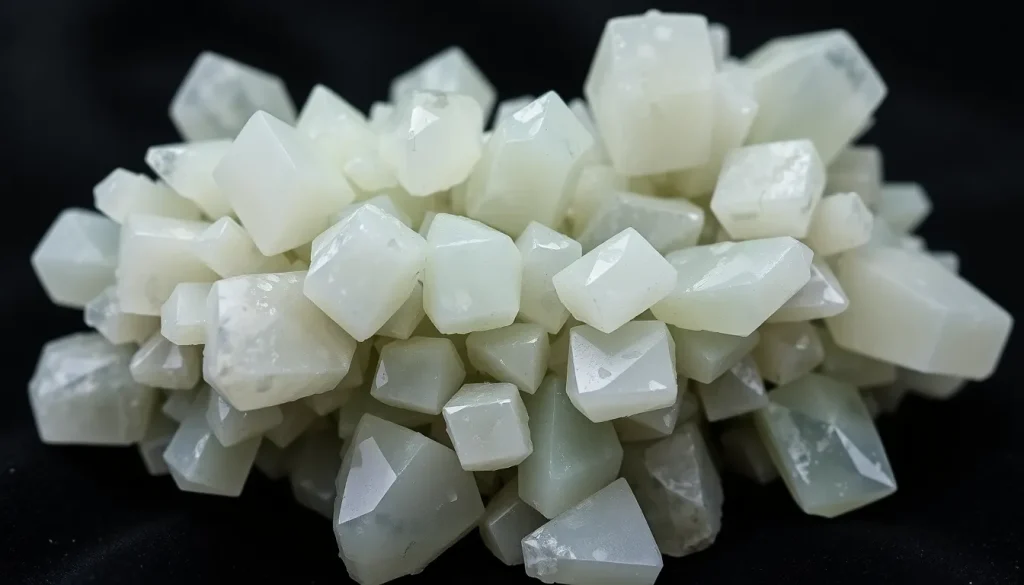
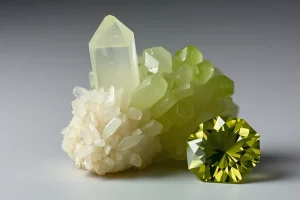
Datolite is a calcium‑aluminum silicate mineral belonging to the sorosilicate (double‑chain) group. It typically forms orthorhombic crystals that can appear as massive aggregates, nodules, or well‑developed prisms. The stone is most often encountered in milky white, gray, green, or yellow tones, and it exhibits a vitreous to pearly luster. With a Mohs hardness of 5.5‑6, datolite is relatively soft for gemstone use, but its translucency and distinctive crystal habit make it attractive to collectors and occasional designers.
History and Origin
The name “datolite” derives from the Greek word datō meaning “to give,” reflecting early beliefs that the mineral could bestow good health. First described in 1806 from a locality near the town of Datolite, Idaho, the stone quickly attracted the interest of mineralogists because of its resemblance to beryl. Major deposits have been documented in the United States (Idaho, Montana, Maine), Canada (Ontario), Russia (Ural Mountains), Norway, Australia, and Mexico. Historically, datolite was used as a source of calcium and as a decorative stone in ornamental carvings.
Meaning and Symbolism
In traditional gemstone lore, datolite is associated with clarity of thought and emotional grounding. It is said to help the wearer articulate ideas, release suppressed emotions, and foster a sense of inner stability. Because of its often‑white appearance, the stone is sometimes linked to purity and new beginnings.
Healing and Metaphysical Properties
Crystal‑healing practitioners attribute the following properties to datolite:
- Emotional balance: Supports the release of old emotional patterns and encourages honest self‑expression.
- Mental clarity: Believed to sharpen focus and aid in decision‑making.
- Physical wellness: Traditionally thought to assist the respiratory system and aid in calcium metabolism (a belief, not a medical claim).
These attributes are rooted in folklore and contemporary metaphysical practice; they should not replace professional medical advice.
Varieties and Types
Datolite occurs in several visual varieties, most of which are distinguished by color and habit:
- White or Colorless Datolite: The most common form, often used as a collector’s stone.
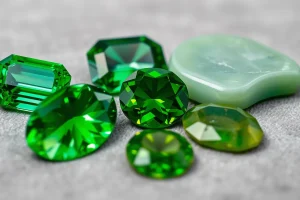
- Green Datolite: Exhibits a pale to medium green hue caused by trace iron or manganese.
- Yellow to Brown Datolite: Ranges from pale yellow to deep amber, sometimes called “yellow datolite.”
- Gray Datolite: Displays a smoky or steel‑gray tone, often with a slight translucency.
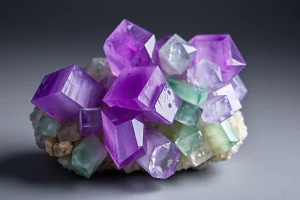
Occasionally, datolite is found in crystal clusters that display well‑formed orthorhombic prisms, a feature prized by mineral collectors.
Jewelry Uses and Care
Because of its moderate hardness, datolite is best suited for earrings, pendants, and brooches where abrasion is minimal. It should be set in protective settings such as bezel or channel to reduce the risk of chipping. When cleaning, use a soft brush and mild soap‑water solution; avoid ultrasonic cleaners and harsh chemicals, as they can damage the stone’s surface and any natural inclusions.
Buying Guide
When selecting datolite, consider the following factors:
- Color and Clarity: Transparent or translucent specimens with a uniform color are generally more desirable. Inclusions are acceptable if they do not obscure the overall appearance.
- Cut and Shape: Well‑cut cabochons or faceted pieces that showcase the stone’s natural luster are preferred for jewelry.
- Origin: Reputable sources from known localities (e.g., Idaho, Norway) often provide higher quality material.
- Treatment Disclosure: Datolite is rarely treated, but some specimens may be stabilized with resins. Request documentation if treatment is claimed.
- Certification: For larger or high‑value pieces, obtain a gemological report from a recognized laboratory.
n
By paying attention to these criteria, collectors and jewelry enthusiasts can acquire datolite that offers both aesthetic appeal and lasting durability.
FAQ
What is datolite good for?
Datolite is valued by collectors for its distinctive crystal forms and milky translucency. In jewelry it offers a subtle aesthetic for pendants and earrings, while traditional beliefs attribute it with emotional grounding and mental clarity.
Is datolite rare?
Datolite is not considered rare overall, but high‑quality, well‑formed, transparent specimens—especially in vivid green or yellow shades—are less common and can be more valuable.
How can you tell if datolite is real?
Real datolite feels relatively light for its size (specific gravity ~3), shows a vitreous to pearly luster, and may display perfect cleavage on [110]. A professional gemologist can confirm identity with refractive index measurements and X‑ray diffraction.
What chakra is datolite associated with?
In crystal‑healing circles datolite is most frequently linked to the Heart (Anahata) chakra, though some practitioners also associate it with the Throat chakra for communication support.
How should you clean datolite?
Clean datolite with warm soapy water and a soft brush. Rinse thoroughly and pat dry with a lint‑free cloth. Avoid ultrasonic cleaners, steam, and harsh chemicals, as these can damage its surface and any natural inclusions.
Leave a Reply