
Short Answer
Overview
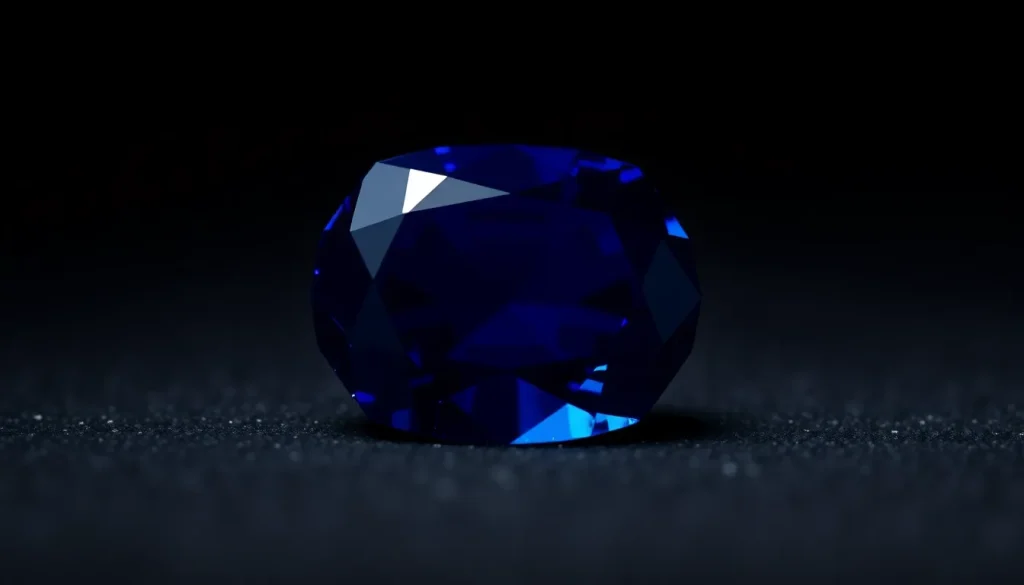
Corundum is a crystalline form of aluminium oxide (Al₂O₃) that ranks 9 on the Mohs hardness scale, making it one of the hardest natural gemstones. Its most famous varieties are ruby (red) and sapphire (blue), though the mineral occurs in virtually every hue, including pink, yellow, green, purple, and even colorless. The stone’s high refractive index and adamantine luster give it a brilliant sparkle when cut for jewelry.
History and Origin
The name “corundum” derives from the Tamil word kurundam, meaning “ruby”. Historically, ruby and sapphire have been prized for millennia, featuring in ancient Egyptian, Indian, and Roman adornments. Major natural deposits are found in Sri Lanka, Myanmar, Madagascar, Thailand, Tanzania, and the United States (Montana). Synthetic corundum has been produced since the early 20th century for industrial abrasives and gemstone markets.
Meaning and Symbolism
Traditional lore attributes ruby with passion, courage, and protection, while sapphire is linked to wisdom, serenity, and fidelity. Across cultures, corundum gemstones have symbolized royalty, love, and spiritual insight. In modern jewelry, the stone is chosen for its durability and vibrant color, making it suitable for everyday wear.
Healing and Metaphysical Properties
In crystal‑healing circles, ruby is believed to stimulate the root chakra, encouraging vitality and confidence. Sapphire is associated with the throat chakra, supporting clear communication and mental clarity. Padparadscha (pink‑orange sapphire) is said to balance the heart chakra. These claims are part of traditional belief systems and are not medical advice.
Varieties and Types
- Ruby – Red corundum colored by trace chromium; the classic July birthstone.
- Sapphire – Typically blue, caused by iron and titanium impurities; also the September birthstone.
- Padparadscha – Rare pink‑orange sapphire, prized for its delicate hue.
- Star Corundum – Exhibits asterism (star effect) due to rutile inclusions; can appear in ruby or sapphire.
- Colorless/White – Rare, highly transparent, used in high‑clarity jewelry.
Jewelry Uses and Care
Because of its hardness, corundum is ideal for rings, earrings, bracelets, and watch crystals. However, it has perfect cleavage of none and may fracture under sharp impact. Cleaning recommendations:
- Use warm, soapy water and a soft brush for routine cleaning.
- Avoid ultrasonic cleaners if the stone is treated (e.g., heat‑treated sapphires) unless the treatment is confirmed stable.
- Dry with a lint‑free cloth; store separately from softer gems to prevent scratches.
Buying Guide
When purchasing corundum, consider the following factors:
- Color saturation – Deep, vivid hues are most valued.
- Clarity – Inclusions are common; a clean appearance enhances value, especially for rubies.
- Cut – Well‑cut stones maximize brilliance and minimize visible inclusions.
- Treatment disclosure – Many sapphires are heat‑treated; reputable dealers should disclose any enhancements.
- Certification – Look for grading reports from GIA, IGI, or other recognized labs.
Finally, compare prices per carat, as red rubies command significantly higher premiums than most sapphires of comparable size and quality.
FAQ
What is corundum good for?
Corundum is prized for durable jewelry such as rings and watches, and traditionally it is believed to promote courage (ruby) and wisdom (sapphire).
Is corundum rare?
High‑quality, vivid red rubies are rare and command premium prices, while blue sapphires are more abundant. Rarity depends on color, clarity, size, and any treatments applied.
How can you tell if corundum is real?
Real corundum scores 9 on the Mohs hardness test, shows high refractive index, and lacks fluorescence. Professional gemologists use spectroscopy, microscopy, and certification to confirm authenticity.
What chakra is corundum associated with?
Traditional crystal‑healing assigns ruby to the Root chakra, sapphire to the Throat chakra, and Padparadscha to the Heart chakra, though these are belief‑based associations.
How should you clean corundum?
Clean with warm soapy water and a soft brush. Avoid harsh chemicals and ultrasonic cleaners on treated stones. Dry with a lint‑free cloth and store separately from softer gems.
Leave a Reply