
Short Answer
Overview
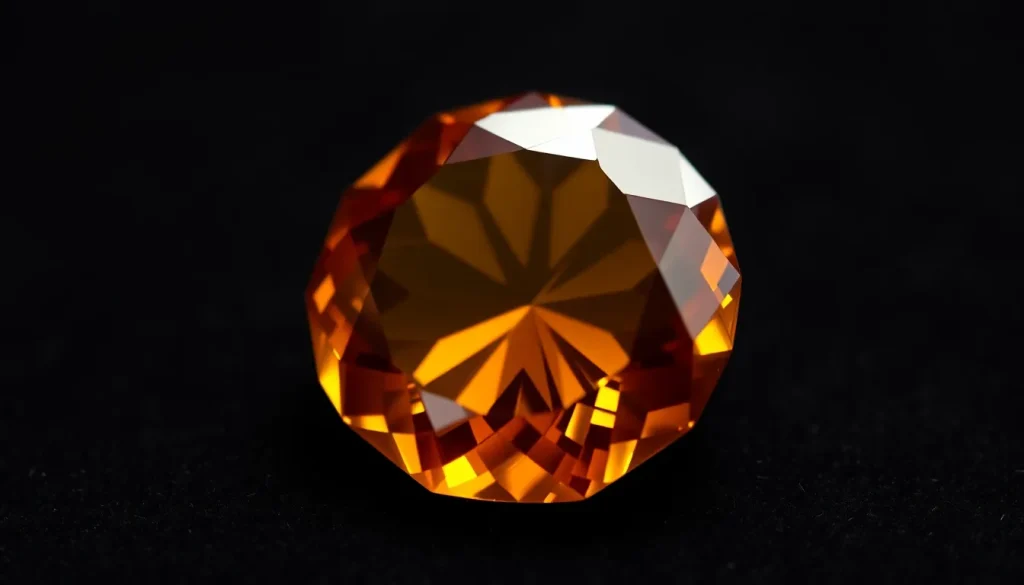
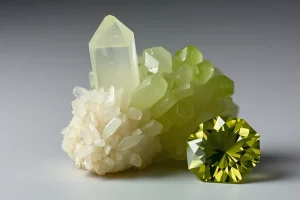
Clinohumite is a member of the humite group of nesosilicate minerals. Its chemical composition is generally expressed as (Mg,Fe)9(SiO4)4(F,OH)2, though iron can substitute for magnesium to varying degrees. The gemstone is most commonly found in shades ranging from pale yellow to deep orange‑brown, and it may display a subtle vitreous to sub‑adamantine luster.
Because of its relative rarity in gem‑quality form and its attractive warmth, clinohumite is used in fine jewelry, collector pieces, and as a focal point in crystal‑healing practices.
History and Origin
The name “clinohumite” derives from the Greek word klinos meaning “inclined,” referring to its orthorhombic crystal habit, and humus meaning “soil,” a nod to the humite group. First described in the early 19th century from specimens in the Ural Mountains, notable deposits were later identified in Afghanistan, Pakistan, and the United States (California). Historically, clinohumite was collected by mineral enthusiasts rather than used in mainstream jewelry, but the 20th century saw an increase in its use as a colored gemstone.
Meaning and Symbolism
In traditional gemstone lore, clinohumite is associated with warmth, inner strength, and the nurturing qualities of the heart. It is thought to encourage self‑acceptance, support personal growth, and foster a sense of optimism. These symbolic meanings make it a popular choice for gifts that celebrate new beginnings or personal milestones.
Healing and Metaphysical Properties
Crystal‑healing practitioners describe clinohumite as a stone that balances the heart chakra, promoting emotional healing and compassion. It is believed to aid in releasing past emotional baggage, enhancing self‑esteem, and encouraging a positive outlook. As with all crystal work, these attributes are based on tradition and personal belief, not scientific evidence.
Varieties and Types
- Yellow Clinohumite – The most common commercial variety, ranging from pale lemon to rich amber.
- Brown/Chocolate Clinohumite – Deeper brown hues often found in Afghan specimens.
- Color‑shifted Clinohumite – Rare stones that display subtle color changes under different lighting.
- Heat‑treated Clinohumite – Some lower‑color specimens are enhanced by controlled heating to improve hue and brilliance.
Jewelry Uses and Care
With a Mohs hardness of 6‑6.5, clinohumite is suitable for earrings, pendants, and rings that are not subject to heavy daily impact. Its perfect cleavage along one direction makes it vulnerable to chipping if struck sharply.
Care guidelines:
- Clean with warm, soapy water and a soft brush; avoid ultrasonic cleaners if the stone has been heat‑treated.
- Dry gently with a lint‑free cloth.
- Store separately from harder gemstones such as quartz or topaz to prevent scratches.
- Remove jewelry before vigorous activities or exposure to harsh chemicals.
Buying Guide
When purchasing clinohumite, consider the following factors:
- Color quality – Uniform, saturated yellow to orange‑brown is most valued.
- Clarity – Inclusions are common; eye‑clean stones command higher prices.
- Cut – Well‑proportioned cuts enhance brilliance; avoid overly shallow facets that may expose cleavage.
- Treatment disclosure – Ask whether the stone has been heat‑treated or irradiated.
- Origin – Afghan and Pakistani clinohumite are traditionally prized, but reputable dealers should provide provenance.
Because high‑quality clinohumite is scarce, prices can vary widely. Obtain a certification from a recognized gemological laboratory for larger or investment‑grade pieces.
FAQ
What is clinohumite good for?
Clinohumite is valued for its warm coloration in fine jewelry and collector pieces. Traditionally, it is believed to support emotional balance and heart‑centered healing, though these claims are not medically proven.
Is clinohumite rare?
High‑quality, gem‑grade clinohumite is relatively rare, especially in vivid, eye‑clean specimens. Availability depends on locality, color intensity, and whether the stone has been treated.
How can you tell if clinohumite is real?
Real clinohumite displays a refractive index around 1.63‑1.65, a hardness of 6‑6.5, and often shows perfect cleavage. Professional gemological testing, such as spectroscopy or a refractometer, is recommended for certainty.
What chakra is clinohumite associated with?
In crystal‑healing traditions, clinohumite is linked to the Heart (Anahata) chakra, where it is said to promote love and emotional healing.
How should you clean clinohumite?
Clean clinohumite with warm, mildly soapy water and a soft brush. Avoid ultrasonic cleaners if the stone has been heat‑treated, and store it separately from harder gemstones to prevent scratches.
Leave a Reply